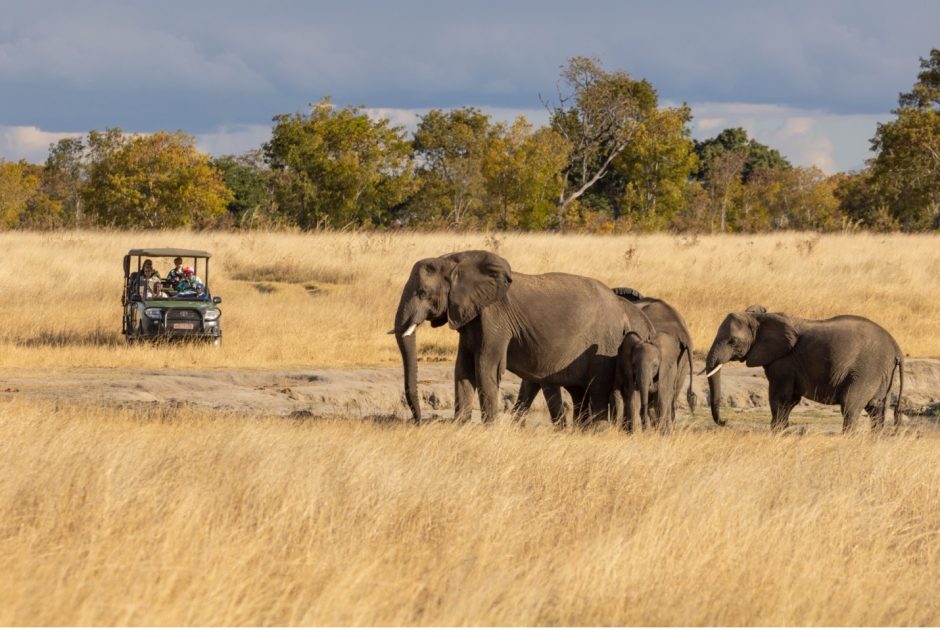
How Much Is “Enough” Telephoto for an African Safari
When you’re gearing up for an extraordinary photo safari in Africa, you want to make sure you have the right amount of telephoto/zoom to capture amazing wildlife photos. But how much is enough?
On one hand, it’s a seemingly simple question with a presumably simple answer. However, as you’ll see, there’s a short answer and a long answer.
Your Expectations
It might seem silly to begin with this, but it’s vitally important. To analyze whether you have “enough” zoom, you really need to ask yourself what kind of photos you want to get. What are your expectations?
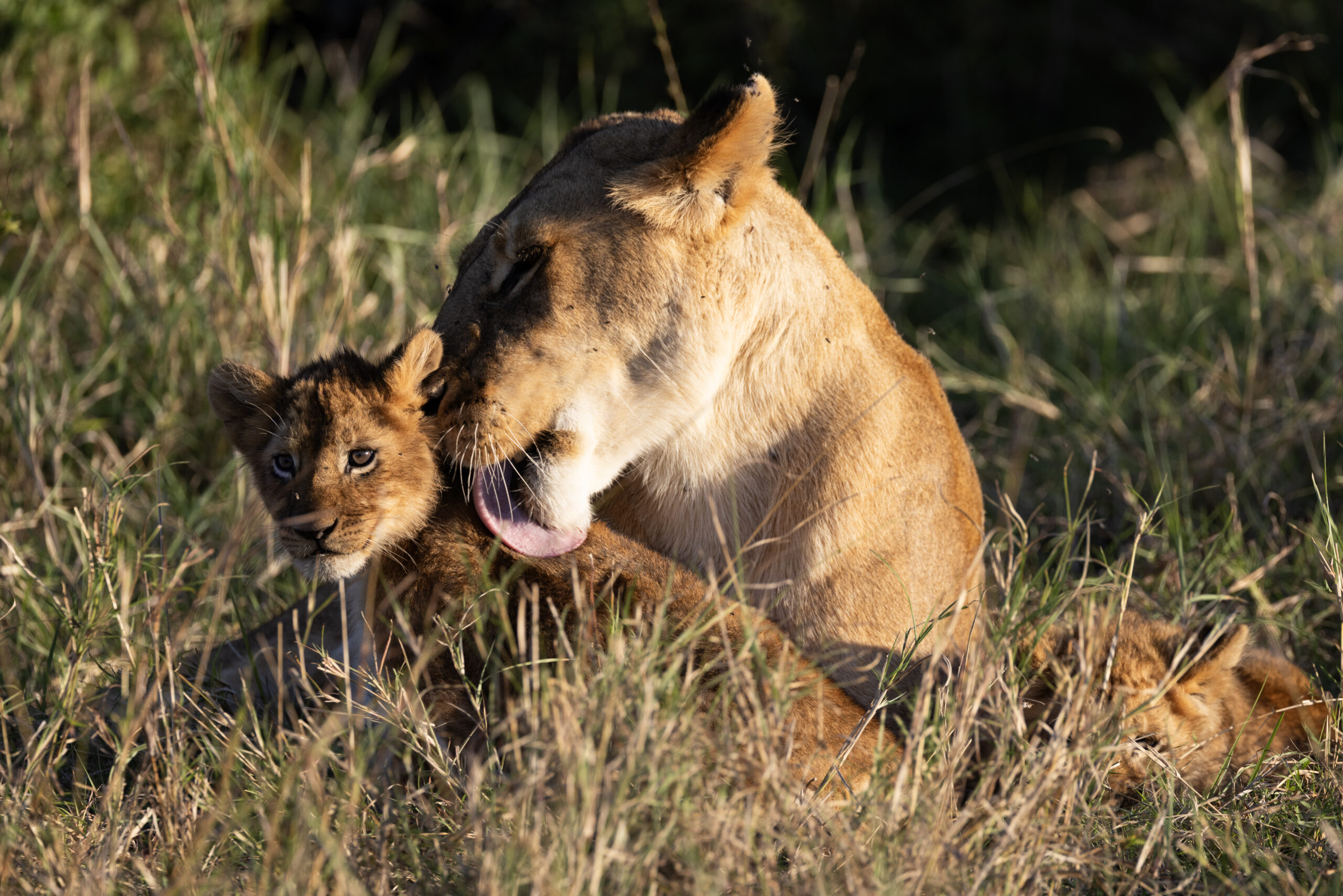
Many of the photos we see online, posted on social media, in travel brochures or on websites are cropped. That is, the photo didn’t necessarily look like that right out of the camera. This is especially true of “filling-the-frame” wildlife photos. You know the ones I’m talking about—where the animal’s face and body is filling the screen, looking bold and show-stopping.
You can absolutely get these shots right out of camera, and many of us do routinely. But keep in mind it’s not 100% of them. In fact, roughly speaking, I might crop 50% of my wildlife photos to get the look I want.
This brings me quickly to my next topic, which is the quality of your lens and camera you’ll need to allow you to crop and make the image you want.
Quality over Quantity
To me, I would rather have a high-quality lens that is a little shorter in telephoto than one that has more reach, but sacrifices quality. And, generally, when we talk about quality here, we’re referring to the sharpness of the photo.
The sharper the image, the more you are able to adjust (i.e., crop) your photo afterwards and still get a clear, high-quality image.
If you’ve ever perused new lenses, you might be surprised that you can find a telephoto lens that gets you to 600mm (this is very big reach) that costs a fraction of one that gets you to 300mm. In other words, the components and optical quality of the lens is separate from just the pure reach. It’s about what is inside. Generally, the more you invest in a lens, the higher quality it is—and the more you can crop your photo.
But the other consideration is your camera body. If you have a higher-quality sensor and potentially more megapixels, you’ll find it easier to crop your photos to make the images you want, both in camera and during post-processing. To put it another way, if you start out with a 45mp image and crop it significantly, you may end up with a 20mp image, which is typically more than enough for large prints, websites and, of course, social media. If you instead start with a 20mp image, crop it significantly, and end up with an 8mp image, you might find that it starts to limit what you can do.
Big caveat here: Newer cameras that originate at 20 megapixels have made significant inroads in image quality, such that this is becoming less of an issue with the latest gear. In addition, programs like Lightroom, Camera raw and Topaz give you the ability to upscale your image, effectively increasing the file size so that if you do crop significantly, you can basically ‘add in’ megapixels through software such that an 8mp image could be turned into a 20 or 25mp shot, giving you loads of flexibility on where and how you place and use your image.
The Full-Frame vs. Crop Sensor Conundrum in Wildlife Photography
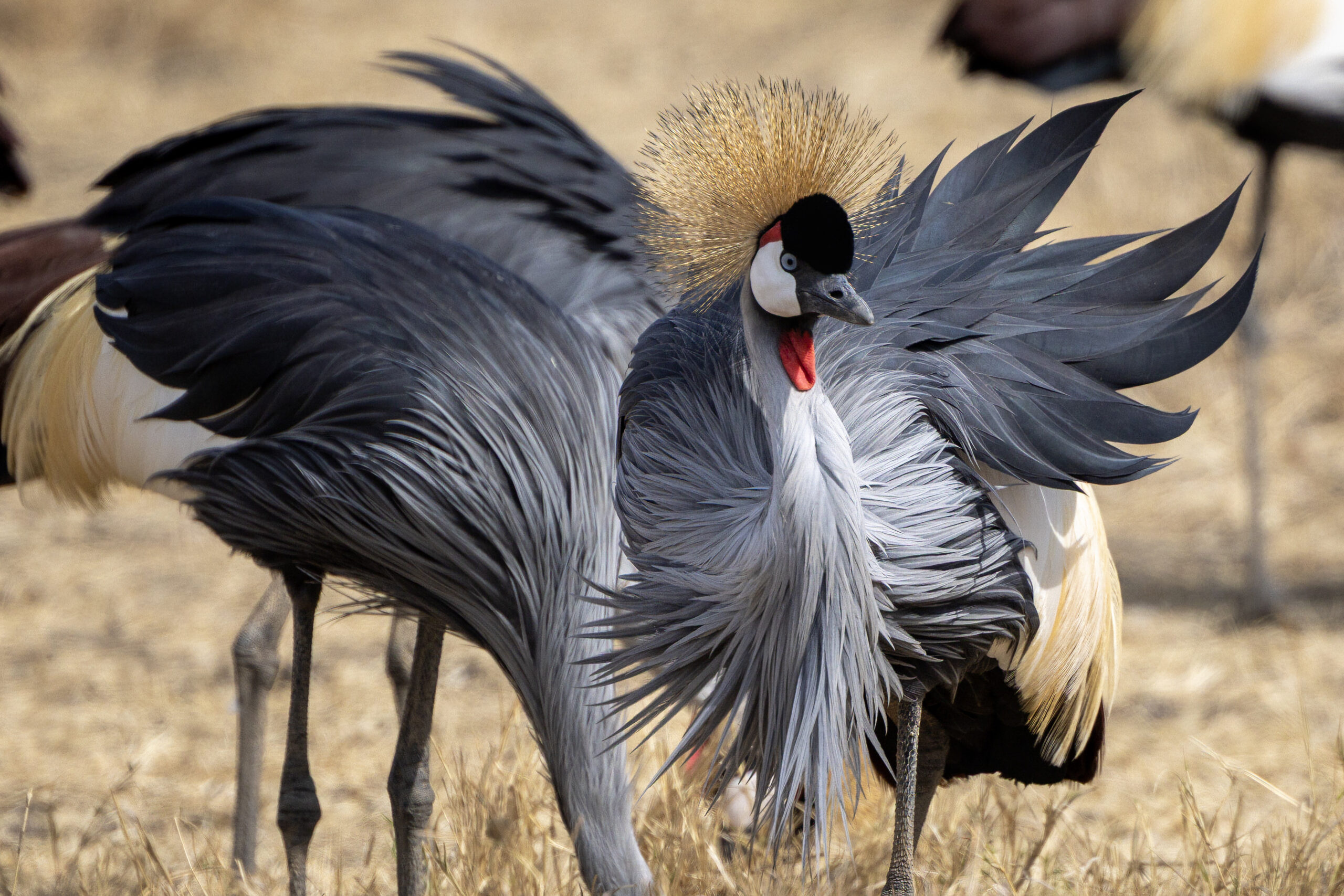
The size of your camera’s sensor has a lot to do with image quality and overall output. While professional or ‘prosumer’ cameras tend to be full-frame, more introductory cameras have what’s known as a crop factor because they are built with a smaller sensor. This smaller sensor is less costly to produce and gives the camera some nice flexibility and added benefits, but they are typically smaller file sizes and a bit less ‘crop-able.’
But on the flip side, crop sensors have multipliers on them such that your 300mm might actually turn into a 420mm due to the 1.6x crop factor on many introductory cameras. (Let’s just say cameras in the less-than-$1,500 range,)
The reason I mention this is that on one hand, crop-sensor cameras actually give you more reach, such that your lens is more powerful (i.e., more telephoto) than you think. Canon, Sony, Nikon and OM all have crop-factor versions of their cameras, which range from a 1.4x to 2x multiplier. Keep in mind this is not a tele-extender—the sensor does the cropping automatically, whether you realize it or not. But remember, the more crop factor you have, the more scrupulous you may need to be in the quality of your lens, as it’s magnifying everything—even the imperfections.
The other key reason I bring this topic up is that when deciding on your lens reach, you ought to look up the actual crop multiplier to calculate your lens focal length to a ‘full-frame’ equivalent. In other words, if I say that I like 400mm lenses for safaris, and you have 300mm at the most, you might find that you have a 1.6x crop factor, making your 300mm lens effectively a 420mm. Important stuff!
Your Style of Wildlife Photography

The other key thing here, which is inline with setting your expectations, is whether you truly do need and want to fill the frame with wildlife. It’s oh-so-tempting, but oftentimes it neglects the compelling nature of the landscape and context of the scene if you were to ‘zoom out.’
I think we often get caught up in reviewing and judging the quality of our photos instantaneously via our LCD screens on the camera. The big, full-face photos tend to look best in a 1” screen. However, when we put them on a bigger platform, like a computer, photo book, website, etc., we might find that something with a bit more landscape actually complements the wildlife in the photo and makes for a more interesting photo.
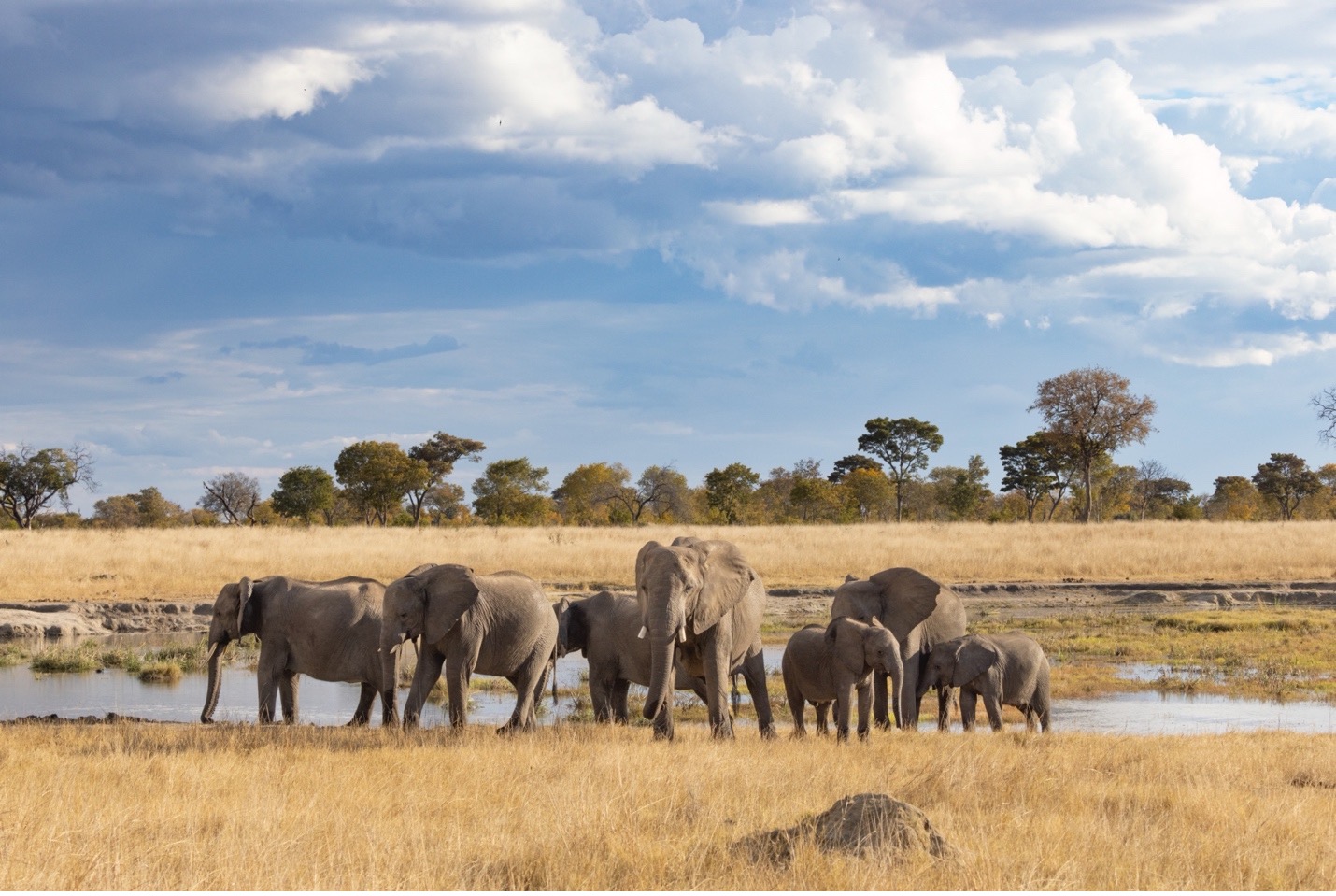
This isn’t the time for me to tell you what is right—this is art, so it’s your vision and your taste. However, this speaks to the fact that more telephoto/zoom isn’t necessarily better.
The Takeaway
Ok, you’ve been patient long enough. Here is my take-home advice:
First, I recommend that you think long and hard about the quality of lens you have, will rent, or plan to buy. You can have two lenses, side by side, that have very similar stats, like two 100–400mm lenses, but one costs two to three times more. If you get the more expensive one, you will be able to crop more and get more out of the lens. But this isn’t for everyone.
Second, know that more telephoto isn’t necessarily better. Sometimes the quality of less telephoto gives you more abilities, and you know what they say: Constraint is the mother of creativity.
This all being said (and keeping up with the times of impressive, BIG telephotos coming out frequently today), my recommendation is that you start with at least a 100–400mm lens. If you find that you have a crop-sensor camera, this could easily turn into the equivalent of a 600mm, which is very good. If you have a full-frame camera, a 400mm is still excellent.
However, Nikon, Canon, OM and Sony are all coming out with magnificent super telephotos like the 200–500mm, 100–500mm, and 200–600mm. Getting to 500mm and 600mm used to be a dream for wildlife photographers, but now it’s a reality.
The final point is that remember, more telephoto doesn’t always mean more quality. For instance, while Sony has an excellent 200–600mm, they also just came out with a state-of-the-art 100–400mm that promises to be better quality in just about all ways compared to the 200–600mm. I expect the same from other manufacturers in due time.

Does this mean that your 200mm or 300mm telephoto doesn’t have a place in your kit for an epic African photo safari, or shouldn’t be your primary wildlife lens? Nope! I often shoot with my 70–200mm on safari and some of my favorite photos come from that lens. Am I happy that I can zoom in with my 100–500mm and get some full-frame shots? Absolutely.
But again, really ask yourself what style of photos you want: zoomed in wildlife portraits or images that tell a fuller story. Consider upping the quality of your lens if you would like to crop, and aim for something in the 400mm to 600mm end as your extent, all the while keeping in mind the old adage that wildlife photographers never truly have “enough” zoom—we always want just a little more.
Enjoy it out there!
Court
Leave a reply