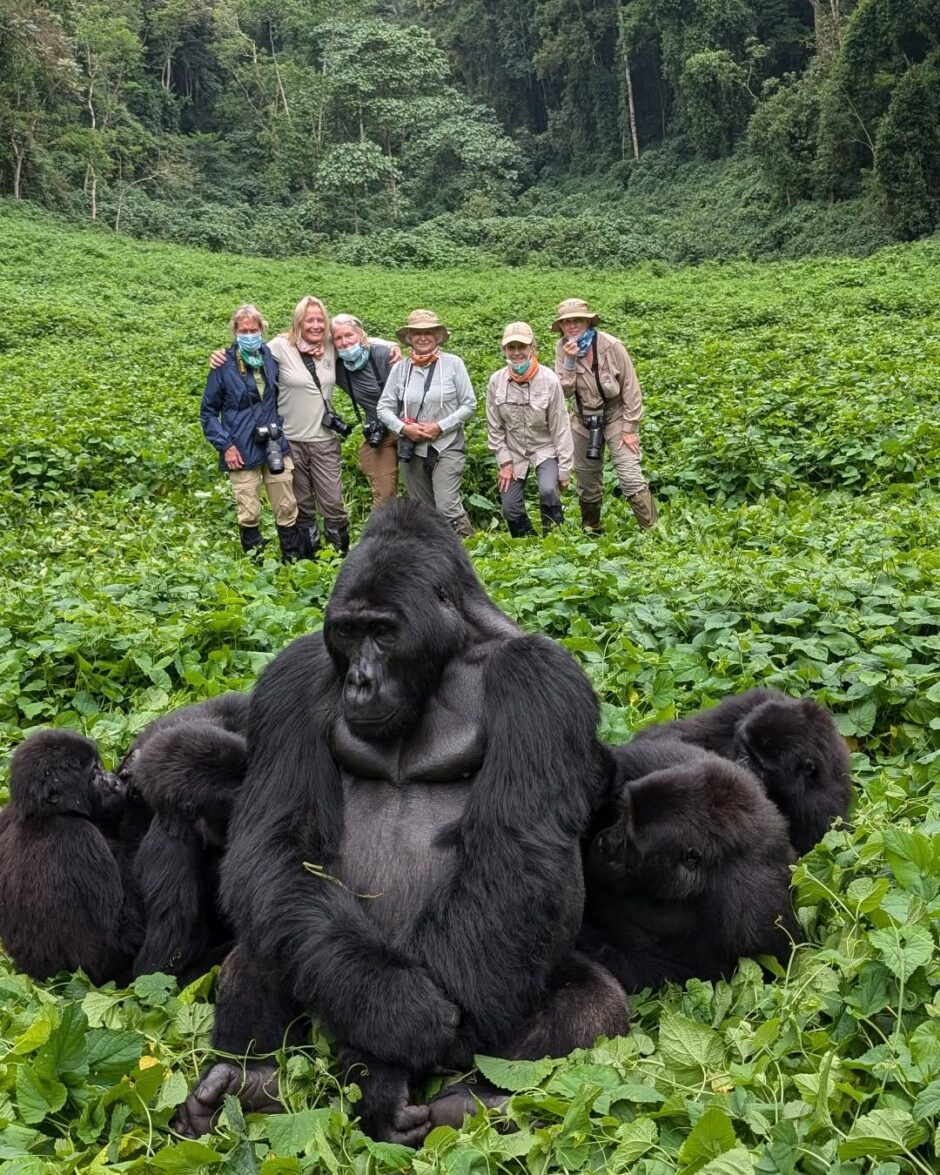
Essential Photo Gear for Capturing Moments with Mountain Gorillas
Chances are, you probably have a general idea of your camera kit when photographing general landscapes, wildlife, and even travel scenes. However, this article is geared toward honing in on the essentials for one of the most extraordinary encounters you’ll ever have in nature—sitting with endangered mountain gorillas.
If you aren’t aware this is an absolute possibility—a real thing—I encourage you to check out what a phenomenal gorilla photography trip might look like as far as itinerary, destination, etc. Definitely something to add to your wish list!
But back to the core idea here—for once-in-a-lifetime photography, especially in novel areas with seriously unique wildlife, you might need specific camera gear for the photos you’re envisioning.
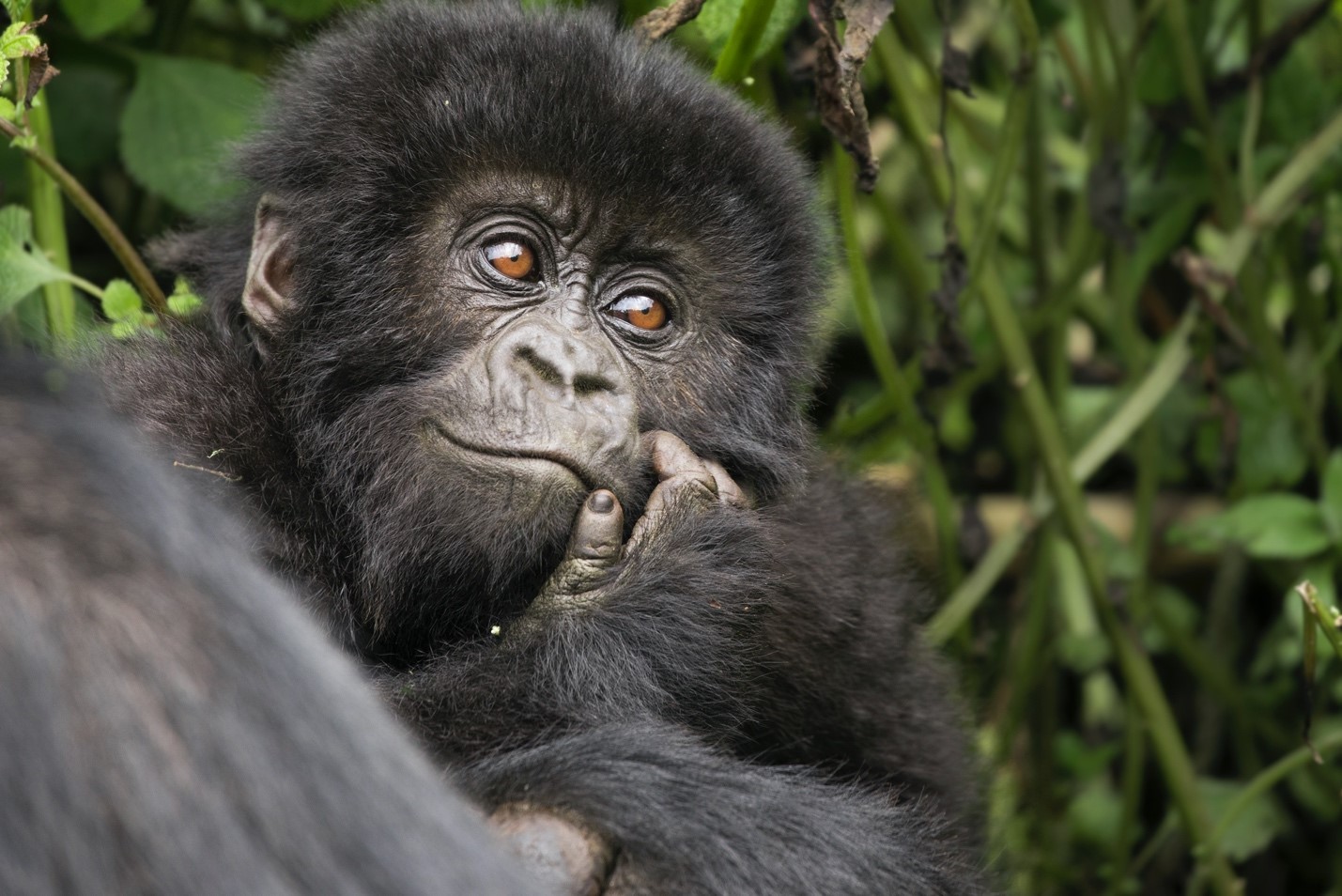
First up, the 70-200mm f/2.8
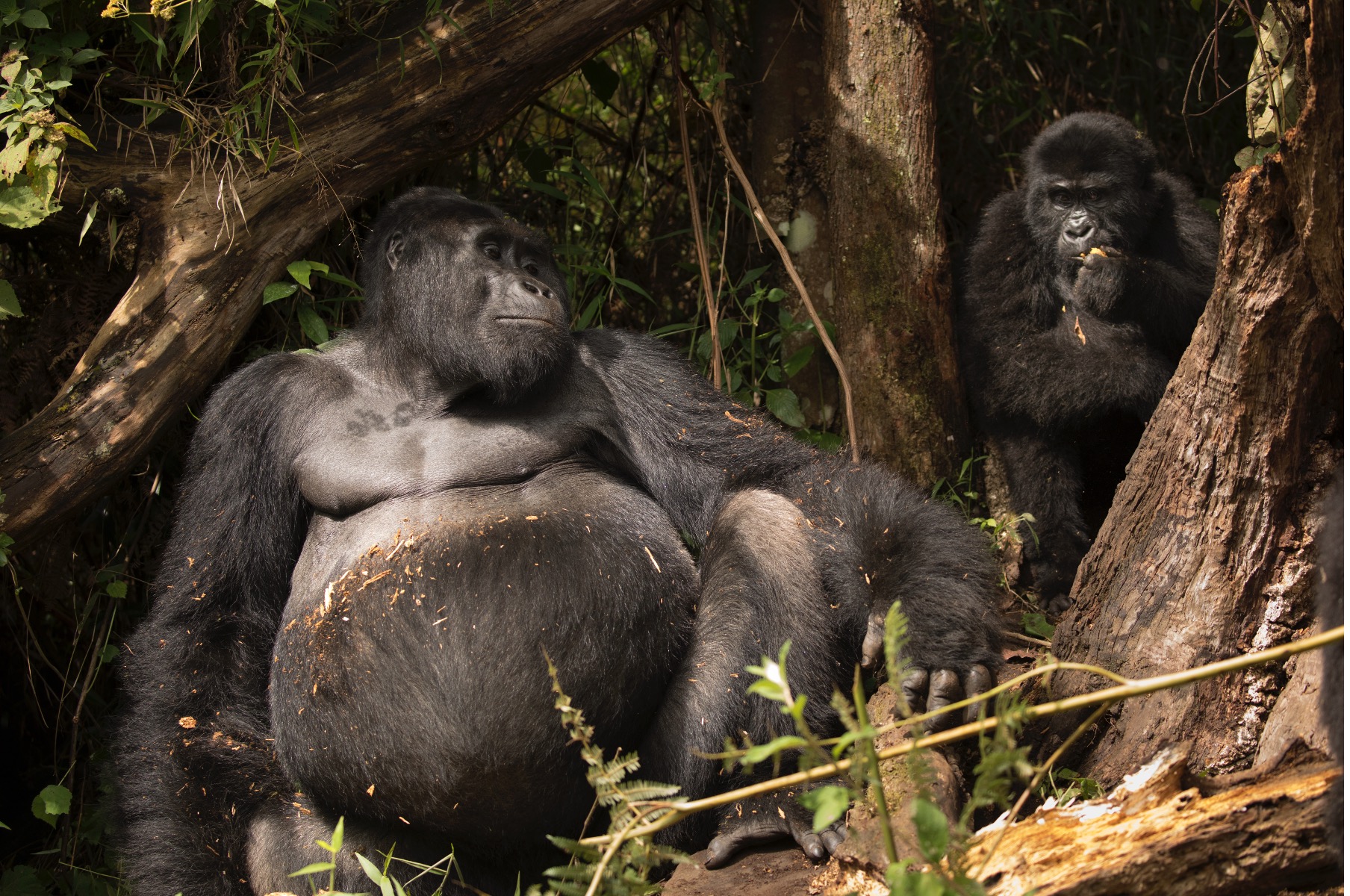
This lens is a workhorse for so many professional photographers. It’s an excellent portraiture lens, performs well in low light, and is incredibly sharp—three things that are needed when photographing mountain gorillas!
To go into this a tad further detail, when I say excellent portraiture lens, what does that mean. Well, essentially it gives you a solid zoom range for wide, medium, and tight shots (70-200mm). It also give you great background separation because of the shallow depth of field at f/2.8—especially at 200mm! This background separation minimizes distraction behind the gorilla, and actually makes it look sharper by comparison.
You might already be surmising this, but you may be under the cover of trees for your gorilla photography, which can be surprisingly dark in rainforests and cloudforests of Uganda and Rwanda. Having the capability to shoot at f/2.8 saves you from slow shutter speeds or high ISOs in dimly lit scenarios. And when capturing moments, a fast shutter speed like 1/500th a second or faster is quite important.
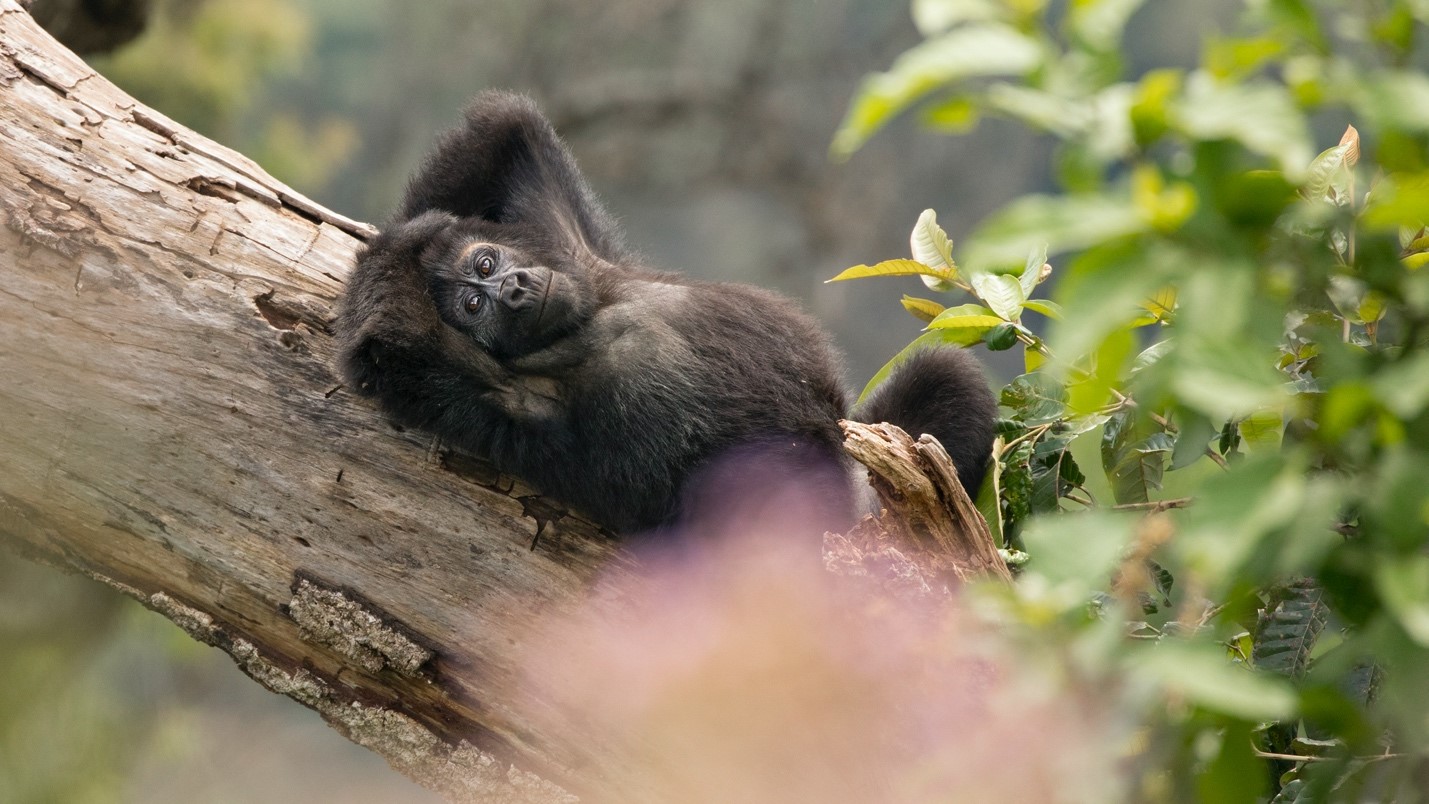
The 100-400mm class of lenses
The only downside to the 70-200mm is that 200mm may not be enough to get the variety of photos you want. For instance, the opportunity to fill-the-frame with a gorilla’s face is a really fun one, and with just a tad more zoom/telephoto, you are likely to have that opportunity.
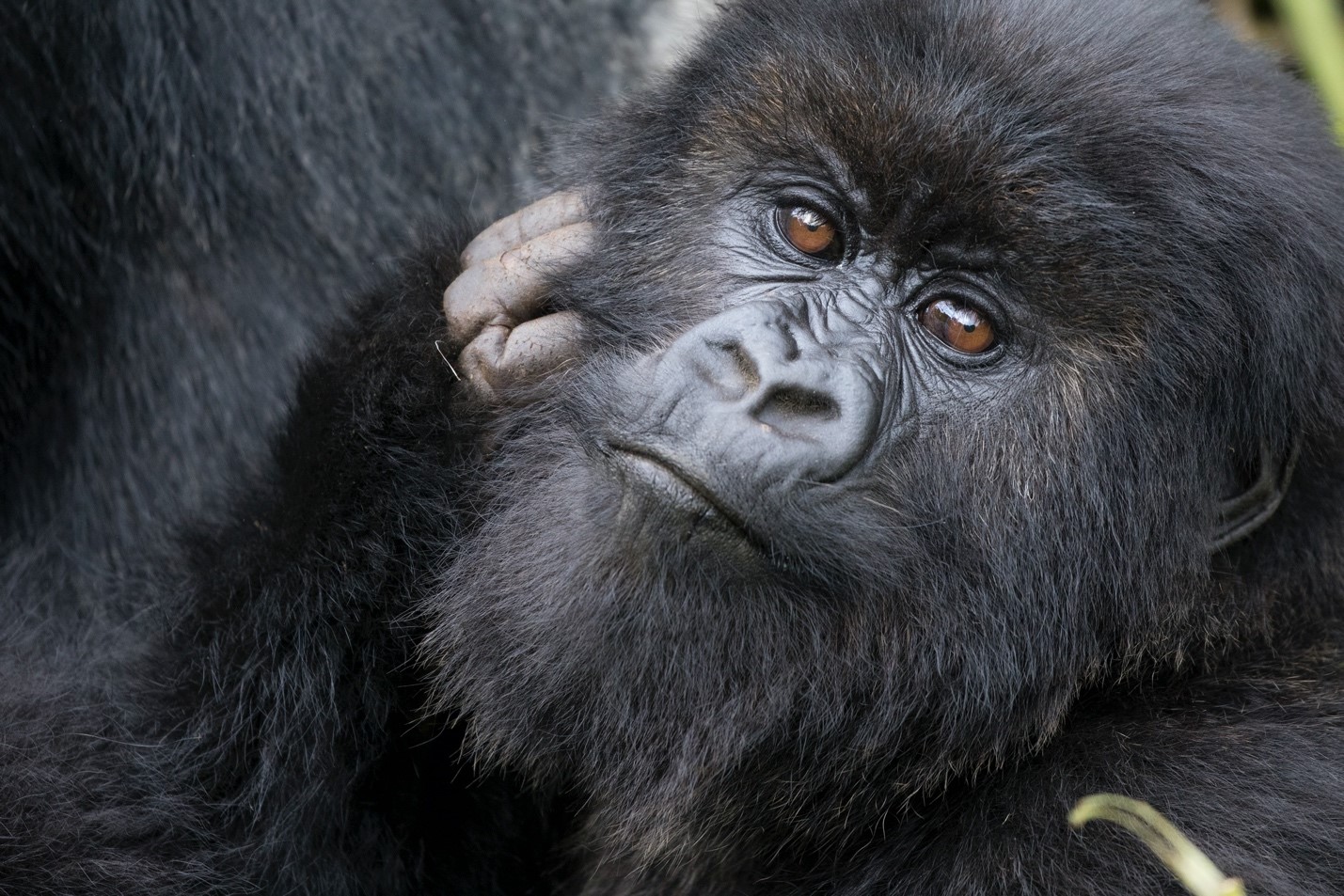
This is why I still think the classic 100-400mm wildlife lens has a critical place in the kit. In addition, a behavior or action amongst the gorilla troop may be happening in the background, and having the extra reach is such a great thing to have. While it may not be your workhorse, it gives you abilities to really round out the 70-200mm class of lenses for truly pro-level photography of gorillas.
A quick aside: why is the 24-105mm class not “essential”
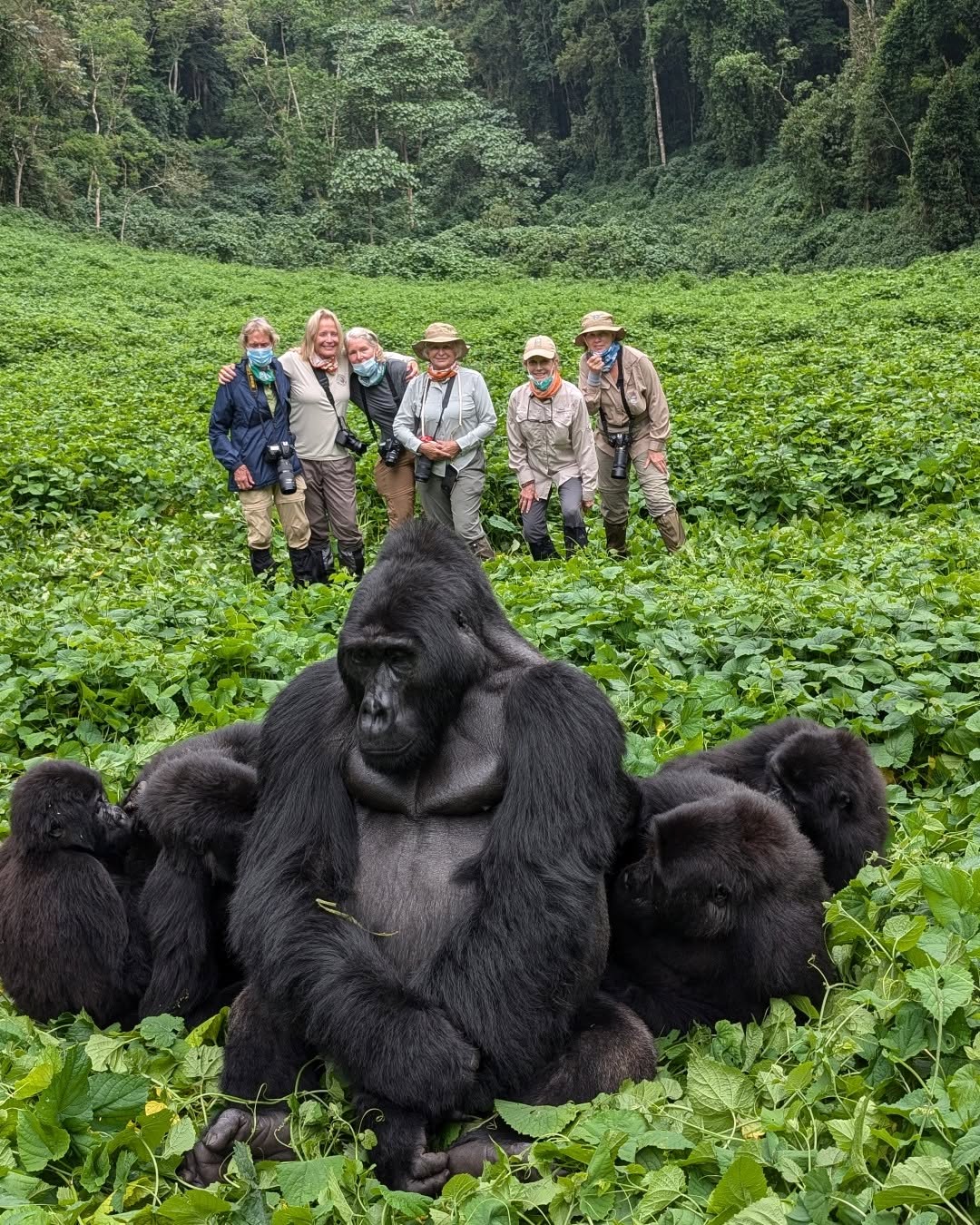
Well, first, I’m trying to keep this list short and punchy–just the one or two most critical/essential lenses. However, the other reason is that nowadays this class of lenses could be satisfied by our smartphones, which are excellent for gorilla photography. Not only do they have great low light capabilities, but their depth of field (due to small sensors) is really deep, such that they enable you to get those cool shots of people with gorillas, all in focus, all in one frame.
So, do I bring my 24-105mm (or 24-70mm) with me on these trips? Absolutely. But is it one of my most-used lenses? Nope, not really. The 70-200mm wins every time.
Essential gear – a dry bag
When on hikes that could last a half day or more, ensuring that you are protected against the elements is indeed essential. You will have a rain jacket, but what does your camera have?
Well, a backpack rain cover is a great place to start, but I really like having a 13 or 20 liter “dry bag” as the ultimate protection for my camera.
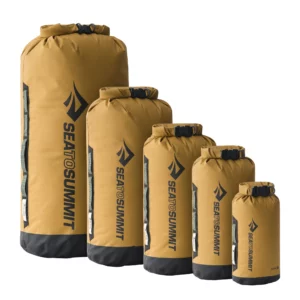
This way, even if my backpack gets soaked, I have an internal bag that is 100% waterproof at the submersible level, which means anything inside it is NOT getting wet. It also doubles as a rain sleeve to quickly throw on your camera while shooting, in case it’s a misty or rainy day, and you need to shoot during the rain (but then have it protected for every moment it’s not in use).
In Summary
At the end of the day, photographing mountain gorillas is not about bringing every lens you own. It’s about bringing the right tools for a rare, intimate, and often low-light wildlife encounter.
For me, the 70-200mm f/2.8 is the star of the show. Pair that with a 100-400mm-style lens, and you have the reach needed for tighter portraits, distant behavior, and those extra-special moments that unfold just a bit farther away.
Finally, don’t forget the unglamorous but very important stuff…rain protection. A simple dry bag can be the difference between confidently photographing in misty rainforest conditions (which can yield truly extraordinary gorilla photos!) and being overly cautious, such that you miss photos and potentially even risk damage to your camera gear.
Mountain gorilla photography is one of those experiences that will truly get you out of your element, in the most extraordinary way possible. Preparation really matters. Bring a thoughtful kit, protect it well, and then let the magic of the encounter do the rest.
Enjoy it out there!

Court

2 Comments

tim
July 20, 2026 at 6:17 pm

Court Whelan, Ph.D.
July 22, 2026 at 10:24 am
hi i have a sony cyber shot dsc-hx400/hx400v camera is this going to be ok for what i need it for?
tim
hi Tim, yes! It’s not going to perform wildly well in low-light, so you may want to keep an eye on the ISO it’s giving you. It usually is a little “800, 1600, or 3200” somewhere in the screen. If you aren’t familiar with aperture or shutter speed priority mode, shooting on “P” mode is great, and you may wish to underexpose your shots slightly be going to -1/3 or -2/3 to match the mood and environment. P mode is also good to make sure the flash doesn’t pop up, which is definitely a no-no :). If you are thinking about upgrading, it’s a bit of a bigger upgrade, but the new Sony RX10 V is outstanding. It’s still a point and shoot, but it handles low light and zoom 100x better than the hx400. Nevertheless, you can indeed get great shots with what you’ve already got…it might just be tougher to get shots of everything, as lower light could be a barrier (depending on where the gorillas are on any given day).