Three Time-honored Ways to Photograph Wildlife in Africa
Who are we kidding, there are a million ways to photograph the incredible wildlife of Africa. However, when you distill African wildlife photography into key categories, you’ll find that the process becomes simpler, allowing you to prioritize these types of shots, so then you can repeat and create with each new spotting.
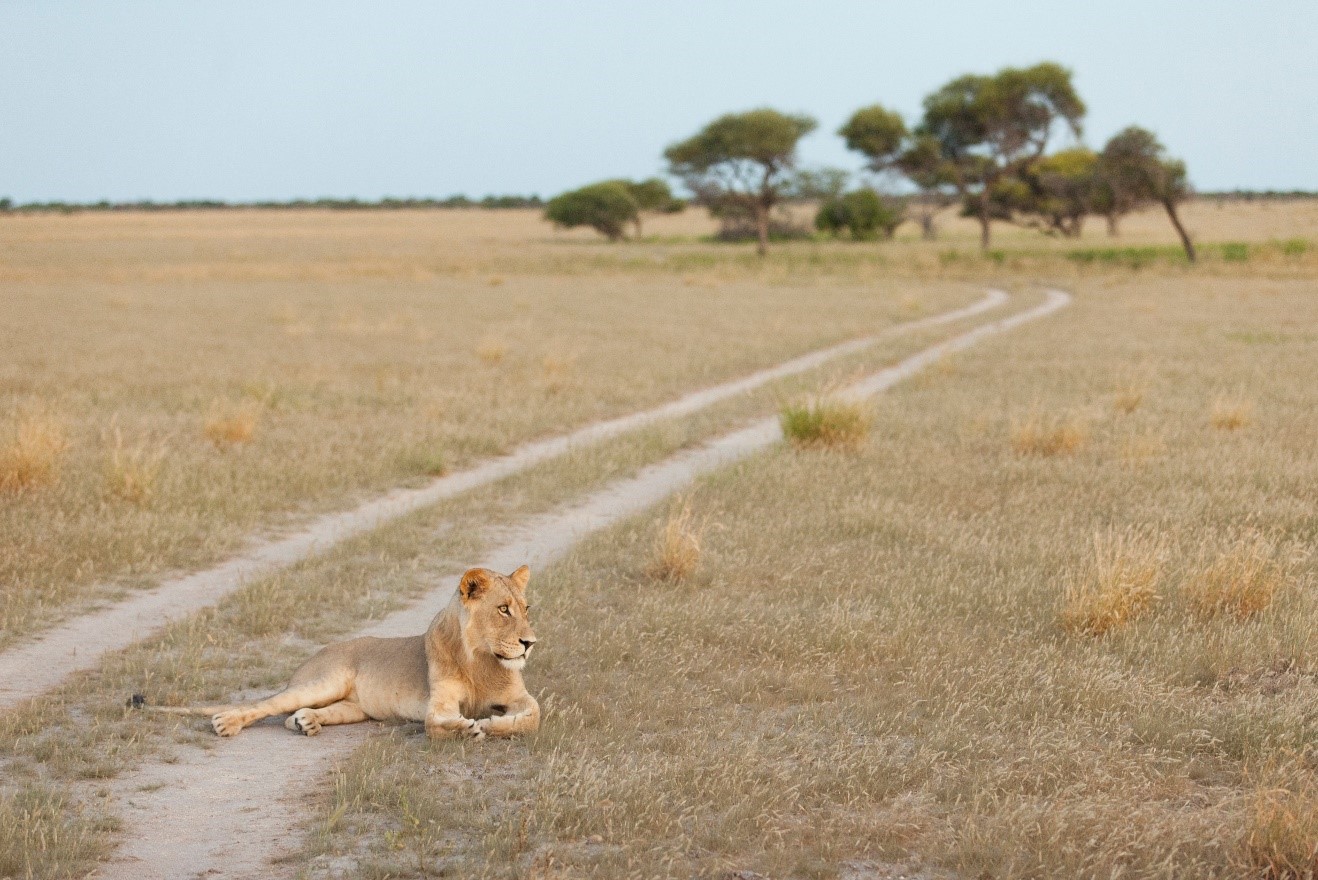
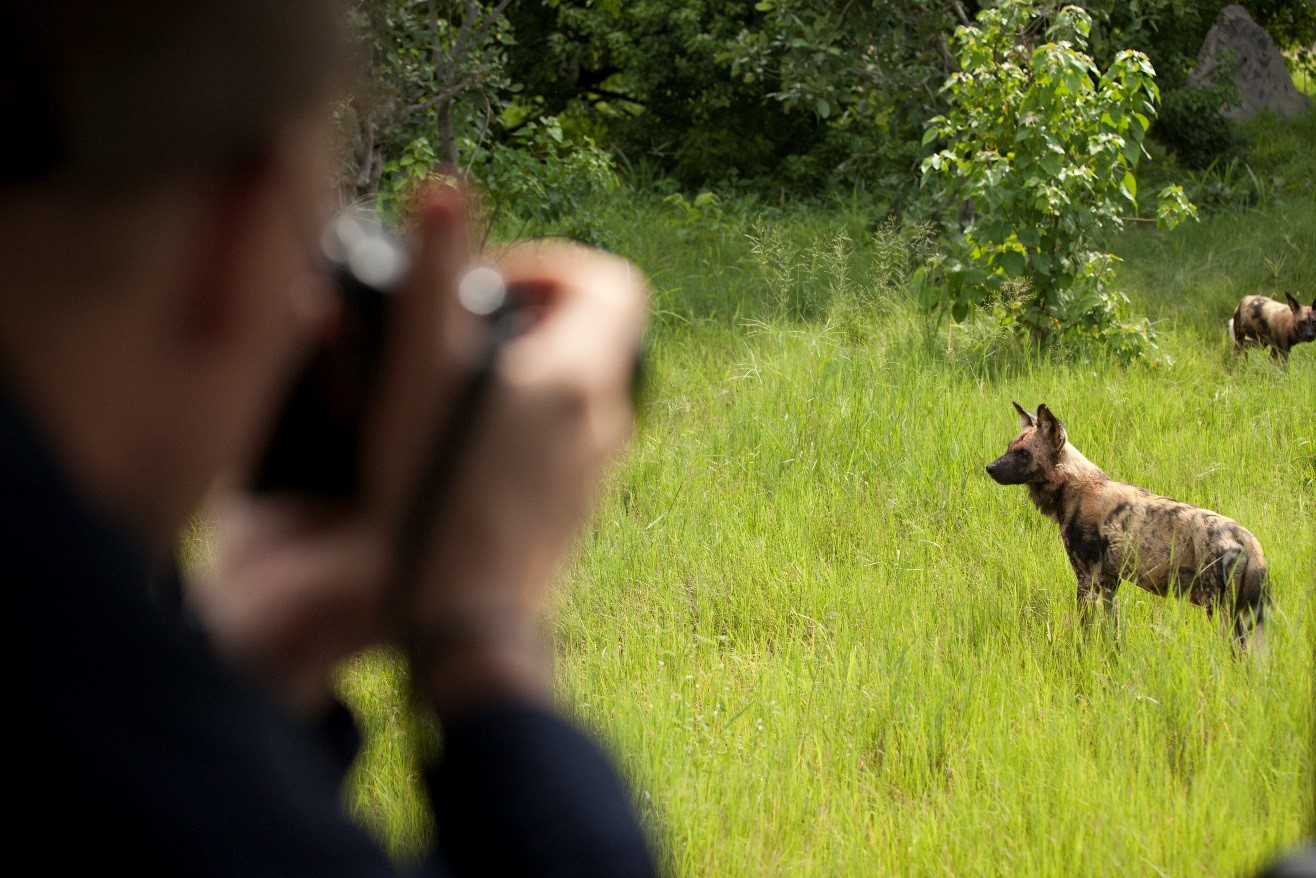
Wildlife in Landscape
This is one of my favorite ways to photograph wildlife of any kind, but is often the least obvious when on safari. The trick to these types of shots is simply to remember to zoom out, keep zooming out, and resist filling the frame each and every time.
What looks good (i.e., big, powerful, stops you in your tracks) in the back of your camera is different than what looks good on a computer, in a photobook, or on your wall. In fact, once we get the photos off the camera, these ‘wildlife in landscape’ shots tend to be the more impactful with better storytelling and intrigue baked right in.

When in the wilds of Africa, just about any landscape that you come across is foreign, inspirational and beautiful. So, you don’t need to wait until you have a great landscape to get these kinds of shots.
The real trick is to force yourself to zoom out…like a 2 to 5x zoom on a point and shoot or a 35 to 200mm on a DSLR or mirrorless…and compose the photo like you would with any landscape. Sometimes I even restrict myself to only using a wide-angle lens for an hour or so, just to add creativity and diversity into my photos (it’s far to tempting to shoot everything at 400mm).
Think of the layering, leading lines, and of course traditional compositional rules like the rule of thirds (as a starting point, at least).
If there is any rule to employ here, I try and get at least a few photos of all wildlife sightings at this ‘landscape’ level and aim to make the animal 10% or less of my overall frame.
Behavior Photos
These are a little less on-demand, as something has to be happening…you can’t force it. However, as anyone who has taken a wildlife photo safari can attest, wildlife behaviors happen often! While we’re all waiting for the perfect photo of a lion yawning, behaviors come in many other shapes and sizes.
Sometimes it’s just the right head tilt that causes a bit of catch-light in an eye, or maybe it’s the motion of an animal as it’s standing up, or you get just the right posture of an animal.
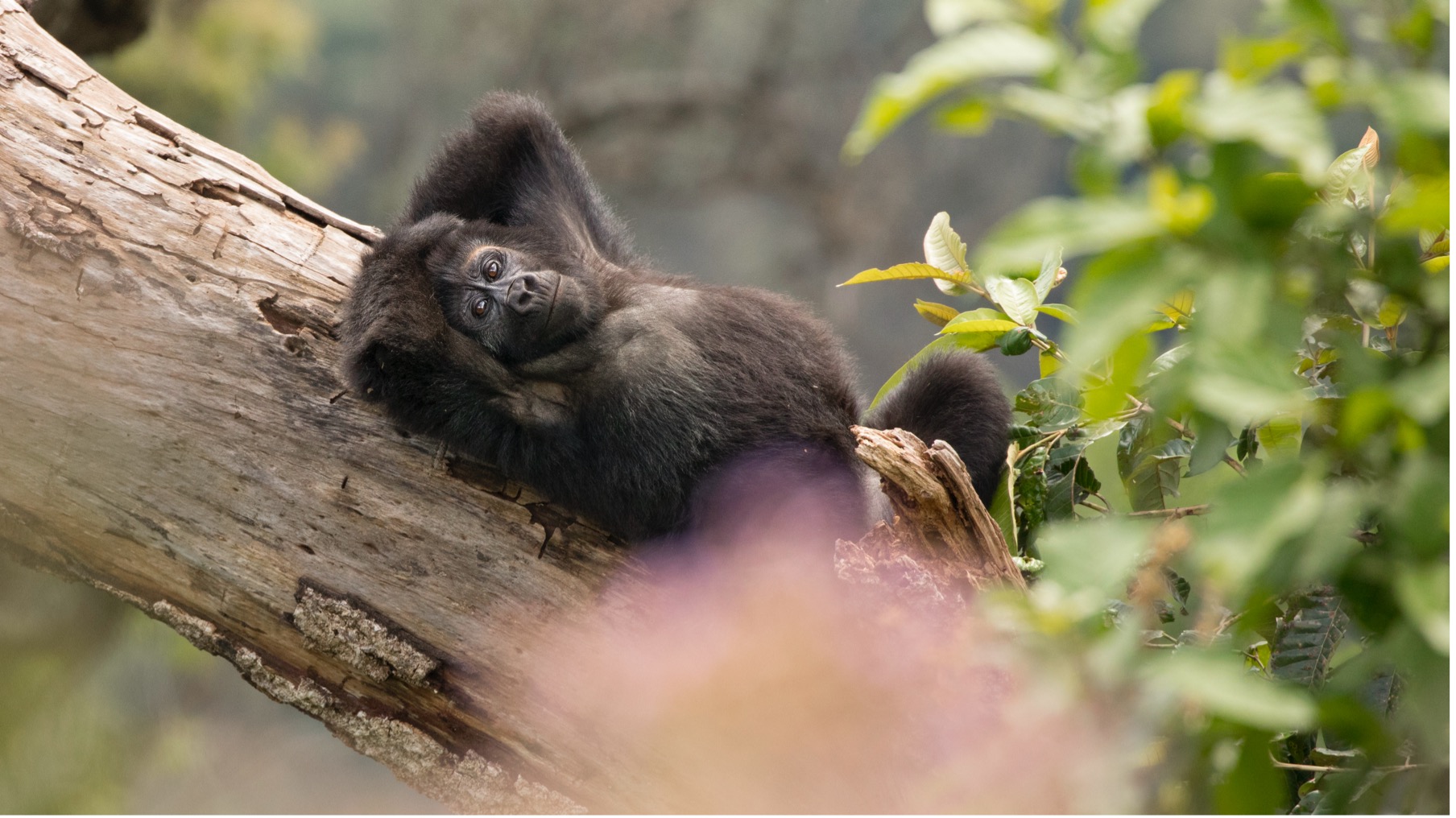
The point here is that behaviors are amazingly diverse. While I’d of course advise taking photos of all behaviors, the trick here is to be ready with the right camera settings.
We’re often forced into slower shutter speeds due to the low light of the early morning or late evening, but when behaviors strike, you need to be ready with a faster shutter to freeze the action. This almost invariably will cause high ISOs, but it’s better to have a high ISO (which you can more easily ‘rescue’ in Lightroom or Topaz later) than to have a lower ISO and irreconcilably blurred motion of an animal.
Typically I will be shooting at 1/250th of a second, when limited by light and photographing mostly still animals, but will quickly go up to 1/640, 1/800, 1/1000 or 1/1200 if an animal is walking, stretching or exhibiting other movement (birds in flight is a whole different subject). The exact shutter speed depends on both your lens as well as extent of the movement you’re trying to freeze, but generally this range is my go-to for freezing casual movement.
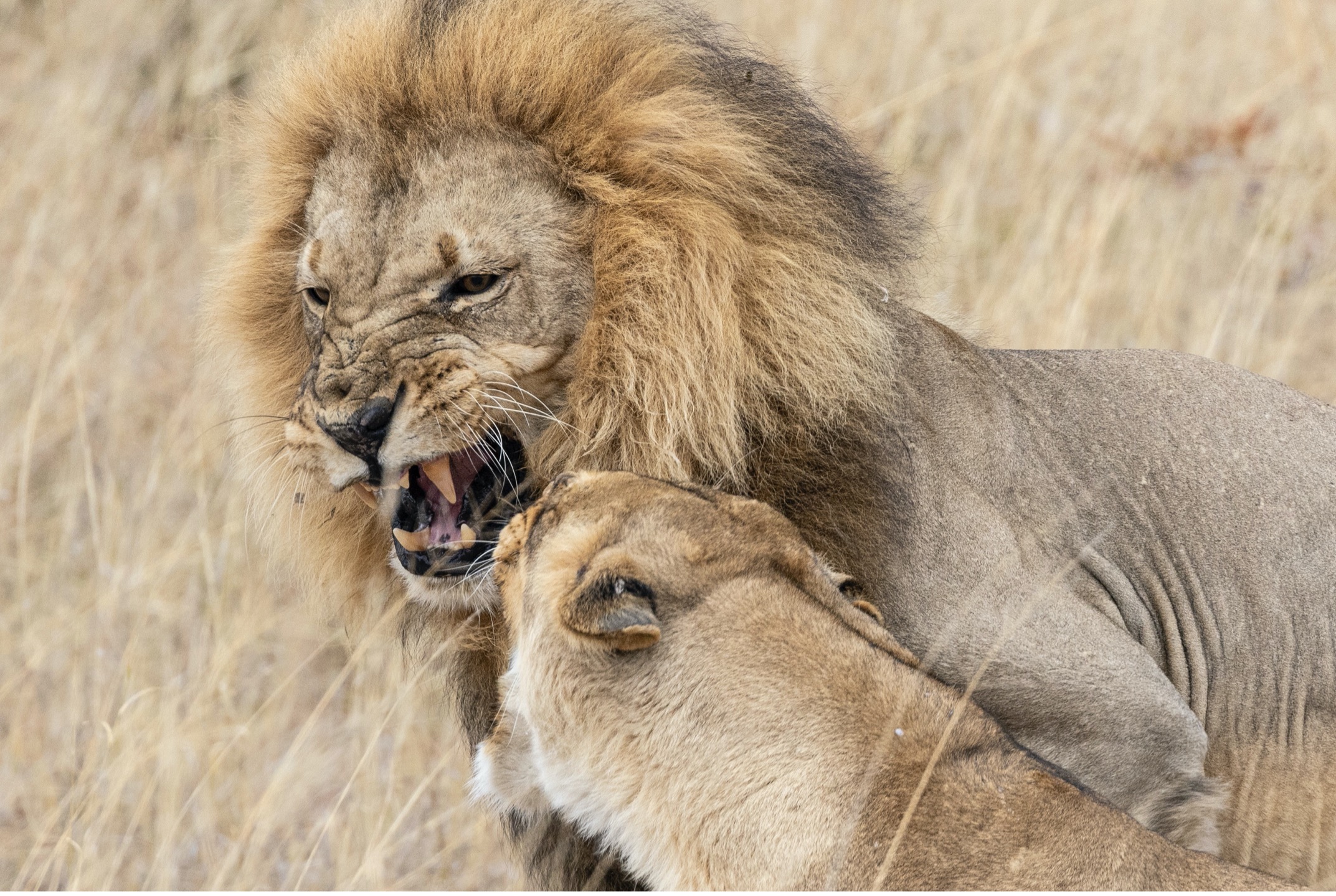
The other thing to be ready for is to switch to a high drive motor. If you’re not already shooting at maximum frame rate (which can be anywhere from 10 to 60 frames a second in today’s camera world), it’s helpful to learn how to quickly switch this while not missing a beat. I like to set one of my camera’s buttons (one I don’t use, like auto exposure lock) to toggle between drive motor settings. That way, when I anticipate behavior, or my guide calls it out to us, it’s just the push of a button and I’m able to take multiple photos at once.
And generally speaking, when capturing wildlife behavior, having 10 great photos to choose from is better than 1, and there almost always will be 1 out of the 10 that is just right.
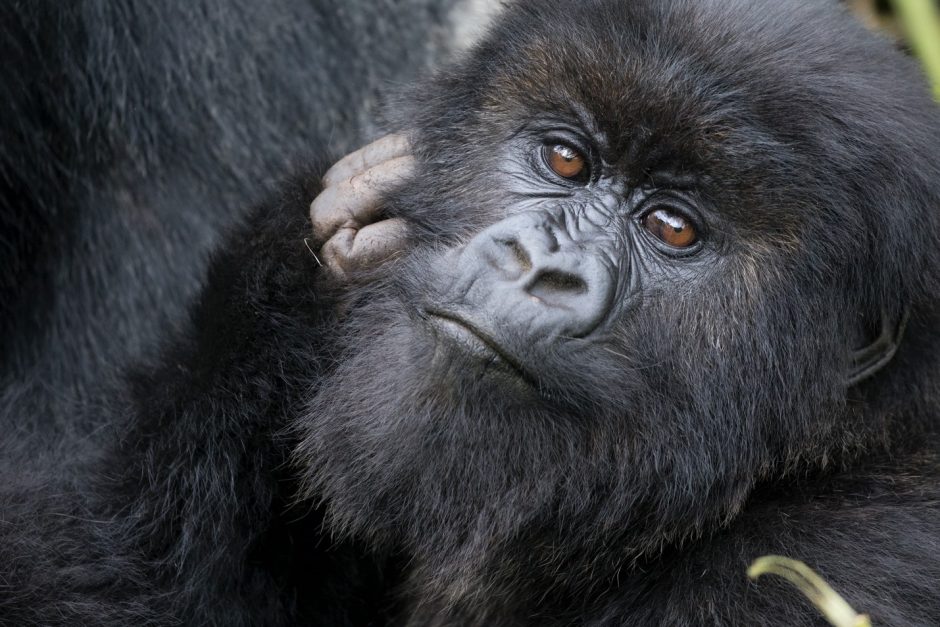
Filling the Frame
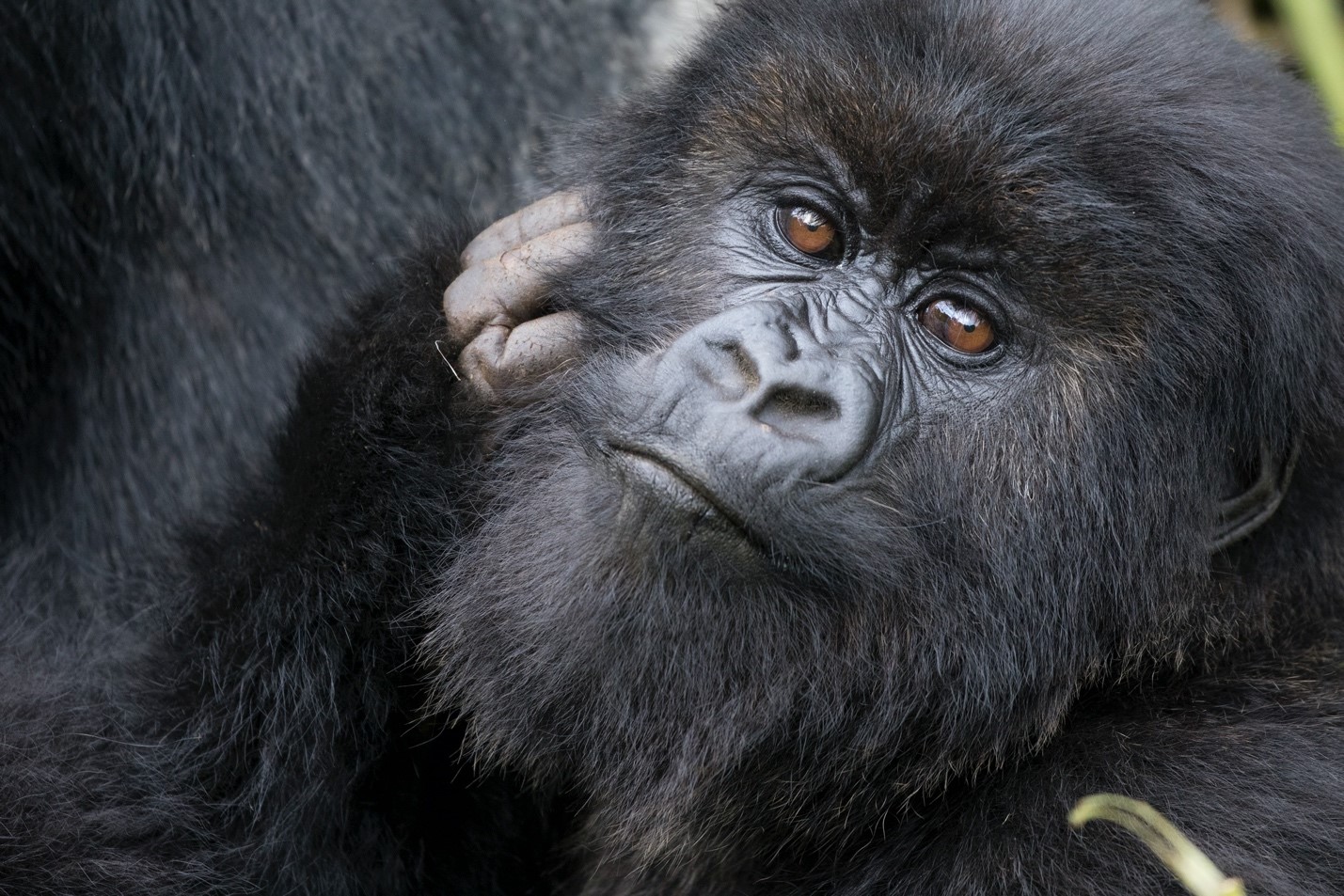
When on epic wildlife safaris that get you into prime wildlife areas, you’ll no doubt get opportunities to fill the frame with an animal or even an animal’s face. These are usually what people covet most, as they make a big impression right away…in the back of your screen, sharing around the dinner table or fire pit after the day, or posting on social media. However, not only do they attract a lot of attention and emotion right off the bat, they can be very powerful photos in general. Indeed something to aim for!
The trick here is that you must treat your wildlife subject, if filling the frame, just like a landscape photo. You want to use a big aperture to maximize depth of field. If you are lucky enough to fill the frame with an animal’s face, you want the eyes in focus, but also the nose, the whiskers, and the ears. Treat these like different landscape elements—all of which you want in focus.
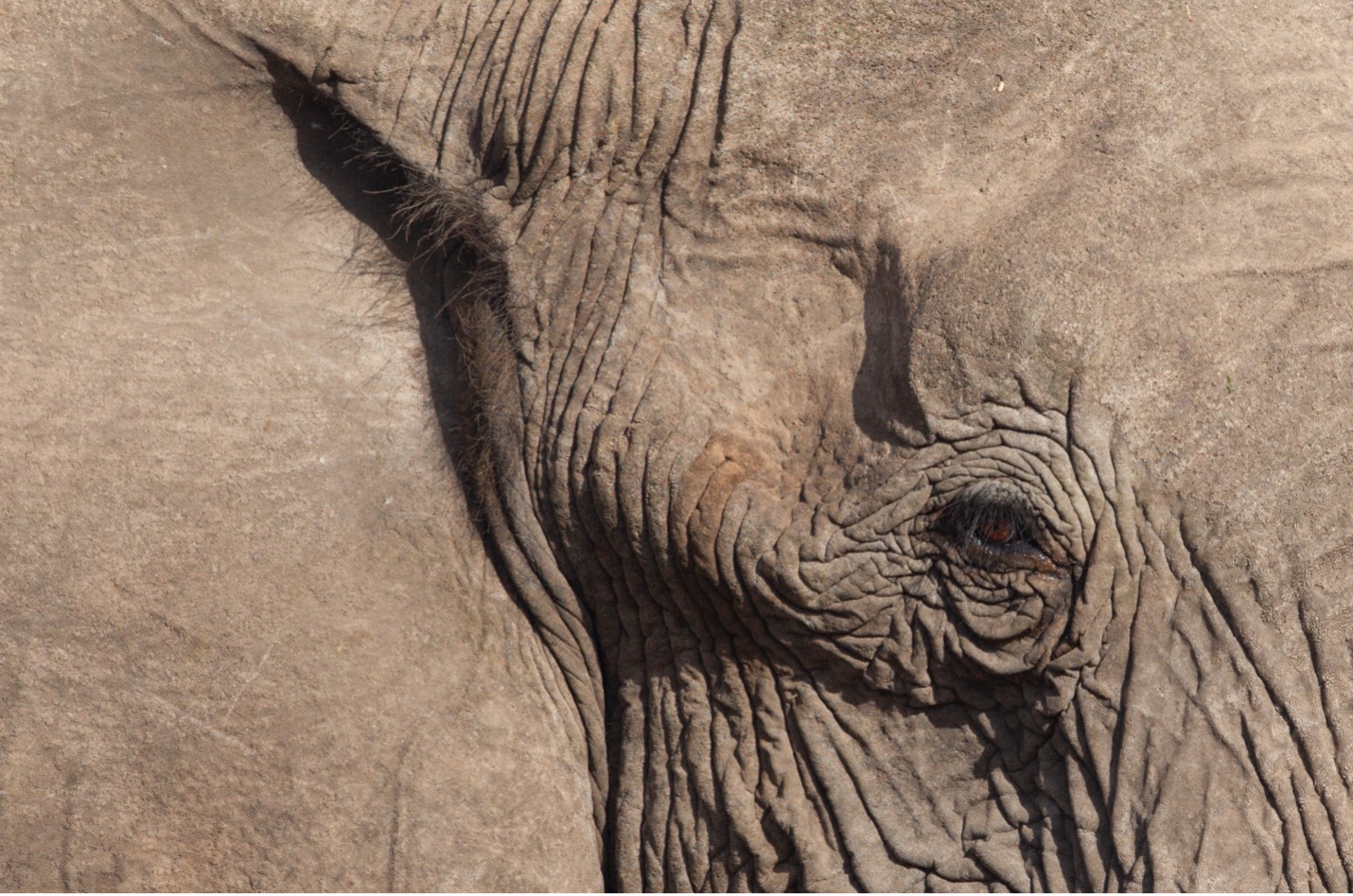
To get a shot like this, you’ll want to start with a good telephoto lens—ideally 500mm or greater. Then, I typically like to be at f/8, take the shot, and review to see if I need to go to f/11. The is the opposite of a portrait effect, where there is considerable ‘blur’ in the photo, to provide that lovely background separation. When you are filling the frame with the animal, you’re essentially taking the background out of the equation and wanting to minimize blur, which will look like a loss of sharpness in these types of photos.
If you are using a point and shoot camera, and it’s not giving you the effect you want, try going to ‘landscape mode’ to prioritize a deep depth of field
In Summary
There are many ways to take wildlife photos, but a good workflow for providing diversity in your work is to think in categories. This way, for nearly every wildlife sighting you can ask yourself, “Can I capture a landscape photo out of this animal? How about a really close-up shot? What if I stay long enough to capture some really alluring behavior?”
With this three-part mindset you’ll no doubt get more photos and ultimately have more to enjoy when you get back from your adventure!
Go forward and give it a shot,
Court
Leave a reply