What’s the BEST Lens for the Galapagos Islands?
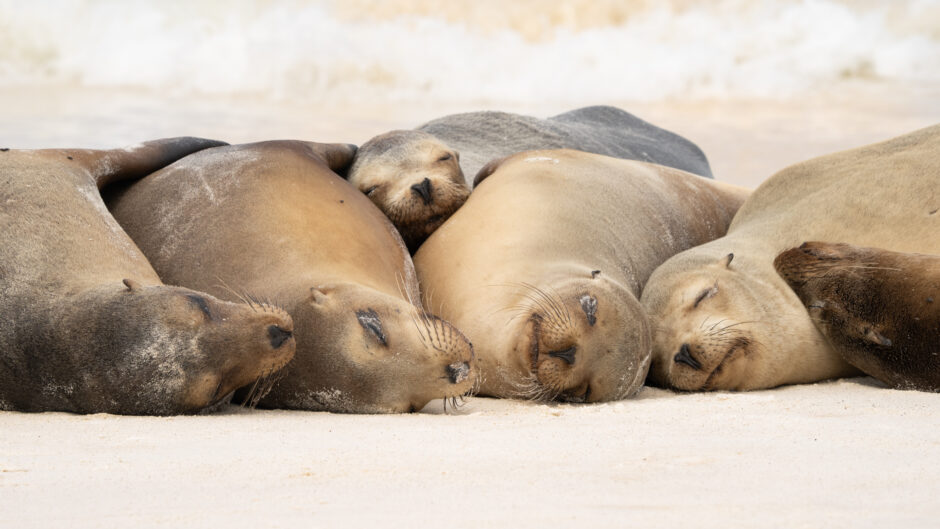
Considering how amazingly varied the nature photography can be in the Galapagos, this is quite the doozie of a question! However, it’s an important one to answer, as photography in the Galapagos Islands is some of the more rewarding, fascinating, and just plain fun.
Between the sensational sunsets, up-close wildlife, and bizarre critters found nowhere else on earth, the Galapagos is just incredible.
It’s important to mention that while I’m going to dive deep into my favorite lens for photographing the Galapagos, it’s not my only. If you want the full down low on my entire camera kit, including accessories, you can read that here.
What You Need in a Lens
Let’s start off by discussing the core needs of a “single best lens” for the Galapagos. It needs to be able to zoom in a bit for wildlife, but also get wide for landscape shots. It needs to have some image stabilization for hand-held photos. It of course needs to be high quality. And it’d be nice to have a shallow depth of field for wildlife portraiture…you know, something like f/2.8.
What You Don’t Need in a Lens for Galapagos
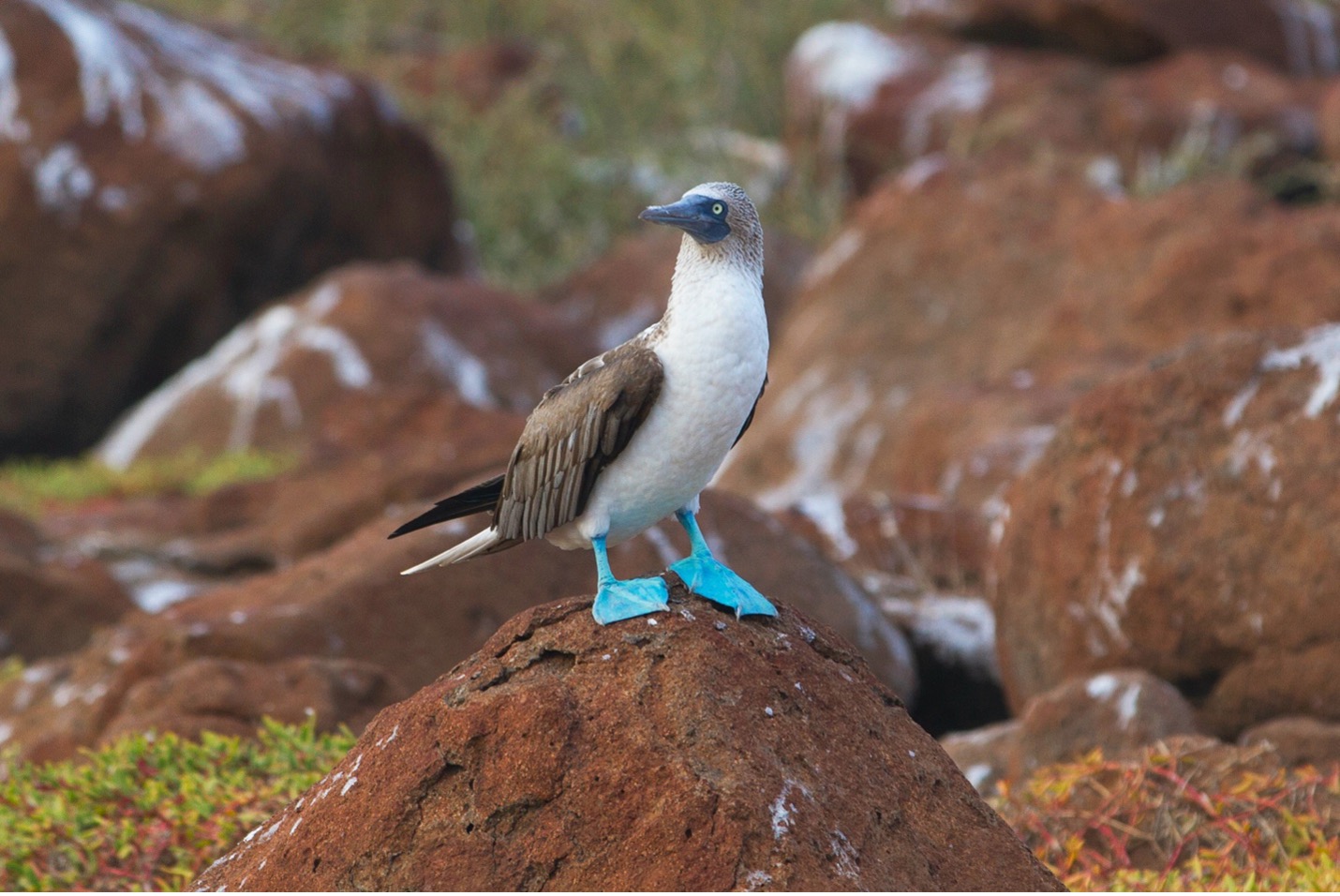
You don’t actually need excessive telephoto capabilities. Most of the animals, even birds, are quite close (many within 10 yards!). There will always be a case where you might like a little more ‘zoom’ or telephoto, but in general 200mm will give you what you want most of the time (and for those times that it can’t, I rely on cropping slightly to give me what a 300mm or 400mm would have done for me). The key point is that the super telephotos that get you to 600mm are just a bit too much for most photos in the Galapagos (again, there will always be an occasion for them, but you want to tailor your lens to the most photo opportunities, not just the exceptions).
You also don’t need a lens capable of low light. I mentioned above that an f/2.8 lens would be nice because of portraiture, but in general we aren’t needing this because of low light. Being on the equator, the sun rises and set faaast so photographing at low light times of day just isn’t commonplace.
The Combo – the mighty 70-200mm f/2.8
What do you get when you put all your needs and non-needs together? The mighty 70-200mm f/2.8 lens. This is the single greatest lens for the Galapagos Islands and stays on my camera probably 60-70% of the time.
If you’ve ever shot with the 70-200mm class of lenses, you know that they are crazy sharp. Their quality is unbeatable. You also might know that 200mm at f/2.8 gives you an amazing portrait effect and superb background separation to really feature and isolate the subject.
While you won’t have the same telephoto reach of bigger lenses like the 100-400mm or 200-600mm class of lenses, this 70-200mm lens give you a) a smaller lens to carry around with you, b) the extra ‘width’ in the lens (70mm makes a real difference when shooting landscapes) and c) you get the incredible depth of photographing at f/2.8…all in a reasonably-sized lens.
And the key thing is…I’ll say it again…most of the wildlife, most of the time, doesn’t require a big 400mm or 600mm focal length. There are always exceptions, but to me, I will plan on cropping the photo most of the time vs. trying to reach for a bigger zoom lens.
Other Considerations
As mentioned before, this isn’t the only lens I’ll bring with me to the Galapagos Islands, so I’ll recommend you check out my full camera kit here.
However, there are some honorable mentions that you might prefer as your #1, depending on your style.
The 24-105mm: Bring this if you are mostly into landscapes, and some wildlife…but you are a landscape and travel photographer first and foremost.

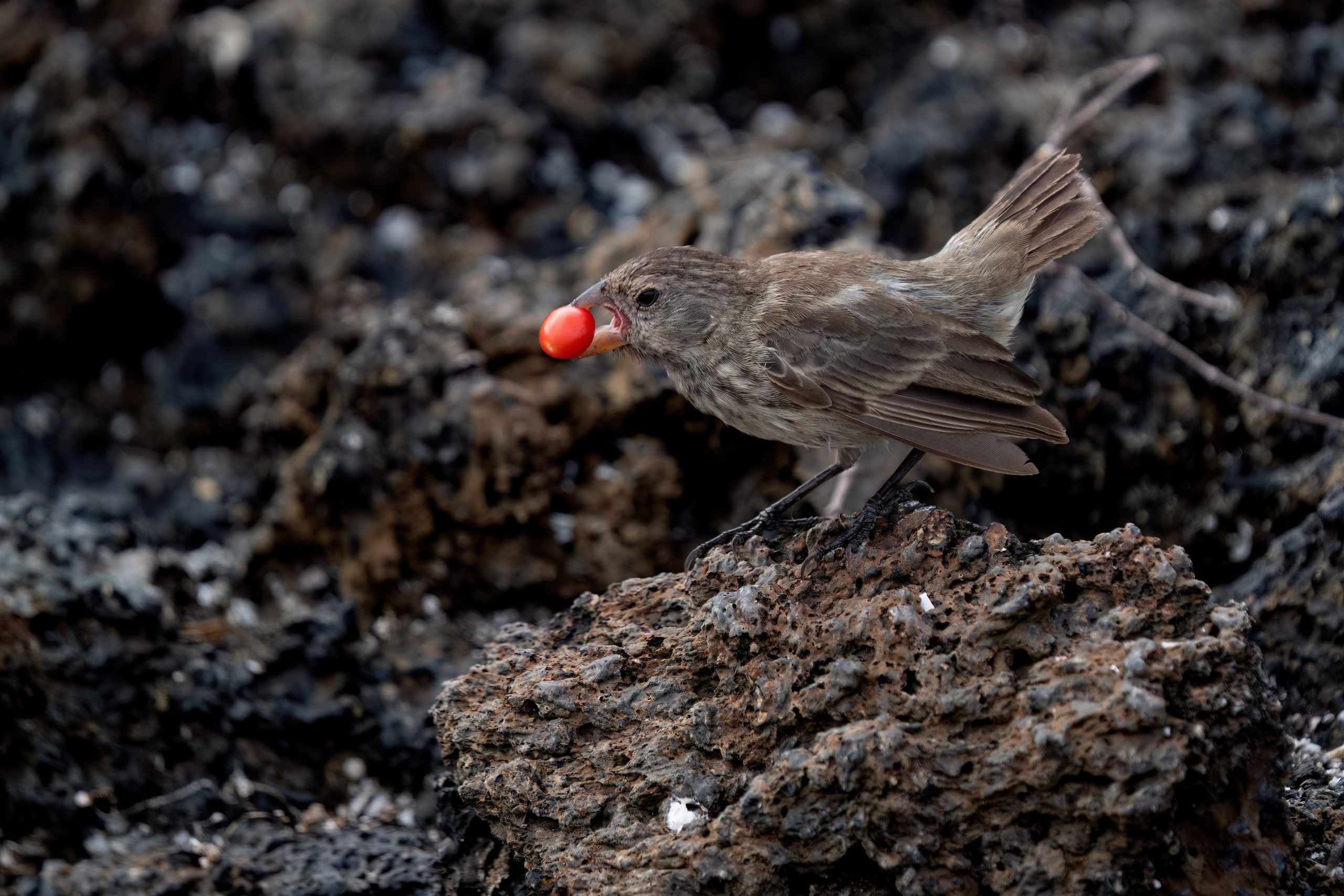
The 100-400mm or 200-600mm: Bring this if you are mostly into wildlife and want extreme versatility and filling-the-frame shots of wildlife. Or, you are intent on photographing as many of Darwin’s finches as possible, potentially at the expense of wildlife-in-landscape shots or more experiential style photos.
In Summary
I really do love my 70-200mm f/2.8 lens for the Galapagos. Because of the incredible array of photographic opportunities, it’s easy to have 2nd favorites and 3rd favorites, but in the world of picking the BEST lens, there can only be one best.
I just love the zoom range, remarkable sharpness (which means I can crop photos with minimal degradation) and the f/2.8 aperture of the ol’ 70-200mm, so this is the one—it’s the best!
Enjoy it out there!

Court

Leave a reply