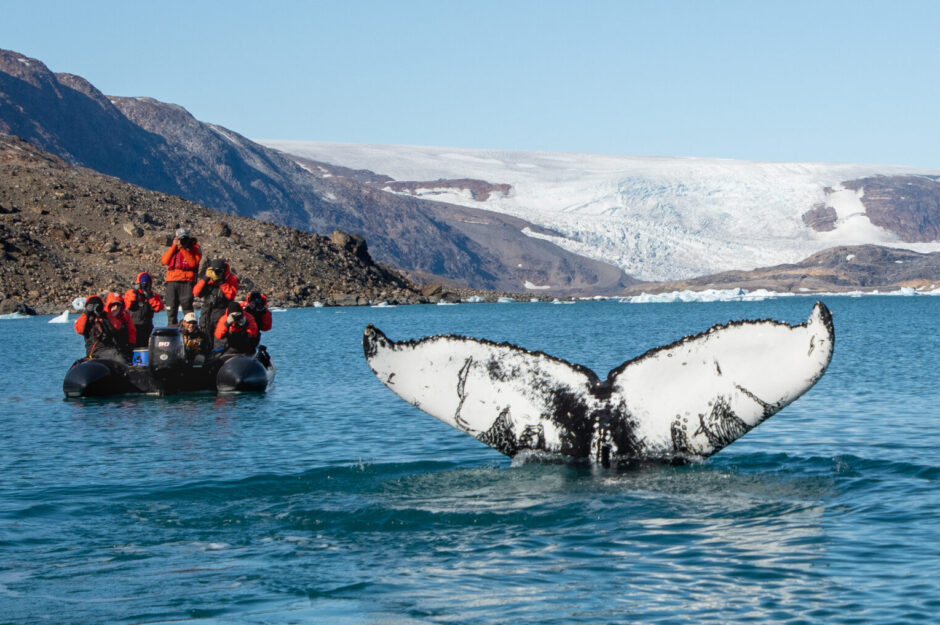
What Kind of Photographer Are You? (And Does It Even Matter?)
At some point, every photographer gets asked the question. “What do you shoot?” It sounds simple. Wildlife. Landscape. People. Travel. For some photographers, I’m sure that’s an easy answer.
But for others, like myself, it can be a hard question. At the beginning, you photographed a bit of everything. Then, over time, you found the subject matter you enjoyed shooting most and probably gravitated towards that. Though, there are moments where you photographed outside of your preferred subject matter and maybe even have some success at it. So, do you want to put yourself squarely in a box by saying you are a wildlife photographer or just a landscape photographer?
There are a variety of photographic disciplines and I think it’s impossible to be equally good at them all. So what kind of photographer are you? Do you not know yet? Does it matter?
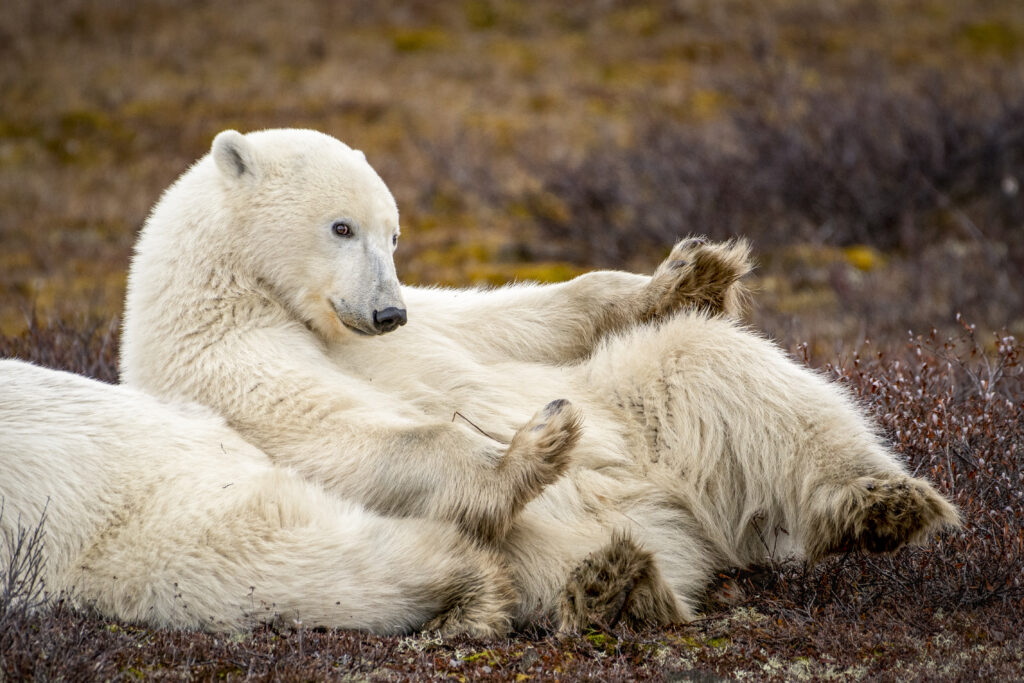
The Wildlife Photographer
If you’re the animal lover with pets at home and a bird feeder in your backyard, then this might be your lane.
Wildlife photography is about timing, anticipation, and understanding behavior. You are constantly reacting to a subject that does not care about your plans. It moves when it wants, where it wants, and often disappears right when things get interesting. You learn quickly that settings matter, but awareness matters more. Knowing where to point your camera before the action unfolds is often the difference between getting the shot and missing it entirely. There is also a quiet discipline here. Patience. You might spend hours waiting for a few seconds of opportunity.
The photographers who really start to separate themselves are the ones who go beyond just reacting and begin to predict. That comes from learning the animal. Not just what it looks like, but how it behaves. When does it feed? What does it do before it takes off? How does it interact with others of its species? These patterns repeat more than you might think, and once you recognize them, you stop chasing moments and start being ready for them. A bird crouches slightly before it launches. A bear lifts its head before it moves. A predator locks its gaze before the action starts. These are your cues.
This is where a bit of curiosity goes a long way. The more you understand what you are photographing, the more intentional you become with your camera. Instead of reacting late, you are already composed, already focused, already in position. The photo starts to happen before it actually happens.
The catch is that when the subject is exciting, it is easy to ignore everything else. Backgrounds get messy. Compositions get rushed. The best wildlife photographers eventually realize the animal is only part of the photo, not the whole thing.
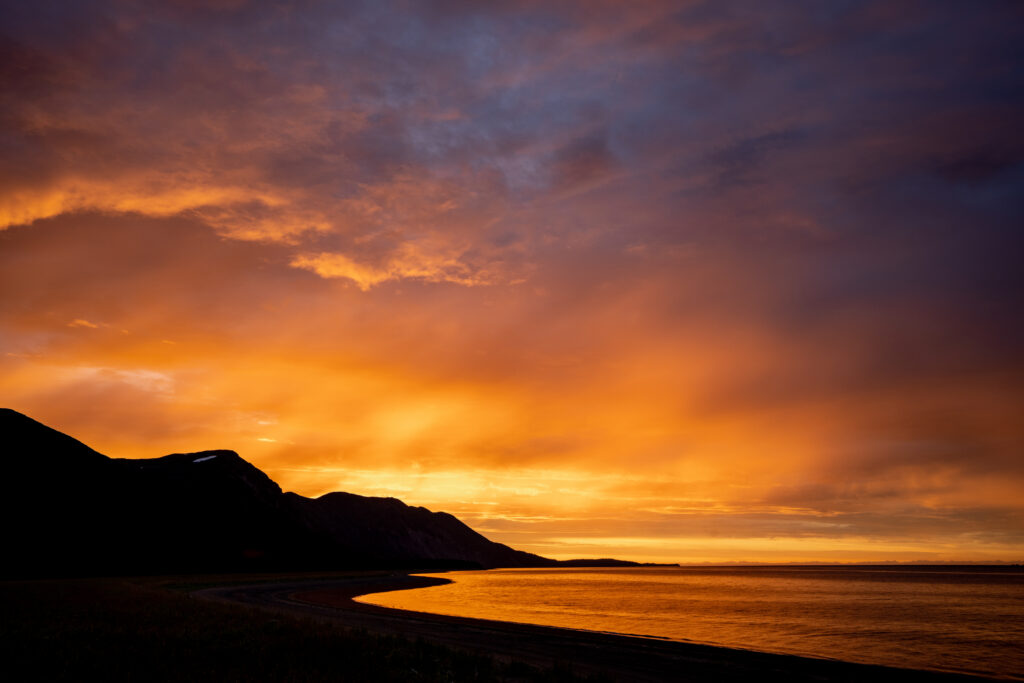
The Landscape Photographer
Do you love that moment just before sunrise when it’s perfectly quiet, the early morning light is starting to get beautiful, and you are alone to enjoy this perfect little moment on our blue orb floating in space? Was this all possible because of your meticulous planning? This might be your lane.
Landscape photography is about patience, planning, and intention. Your subject is not going anywhere, which means you are no longer reacting, you are deciding. You choose where to stand. You choose what to include. You choose when to press the shutter. That kind of control sounds easy, but it comes with a different kind of pressure. You do not get to blame the subject for a missed shot. If the composition feels off or the light does not work, that is on you (and sometimes the weather).
You start thinking in layers. Foreground, midground, background. You move your feet more than your zoom ring, constantly adjusting your position to simplify the scene and build structure into the frame. You begin to understand that showing up is only part of the equation. Showing up at the right time is what matters. Sunrise and sunset are not suggestions, and neither is planning. You check weather, track light, and think through compositions before you even arrive.
The photographers who start to separate themselves are the ones who previsualize. They do not just show up and hope for something interesting. They have an idea of what they want the image to look like before they ever set up their tripod. They know where the light will hit, how the shadows will fall, and what elements need to come together. When the conditions align, they are ready.
This is also a quieter style of photography. There is no rush, no burst mode, no chaos. It is for the planner, the observer, the one willing to explore a scene from multiple angles until something clicks. You might spend an hour working a single composition, making small adjustments that most people would never notice.
The challenge is that without a clear subject, even a technically perfect image can feel empty. A beautiful scene is not the same as a compelling photograph. The photographers who stand out are the ones who bring structure and intention to the frame and treat the entire scene as something to be shaped, not just captured.
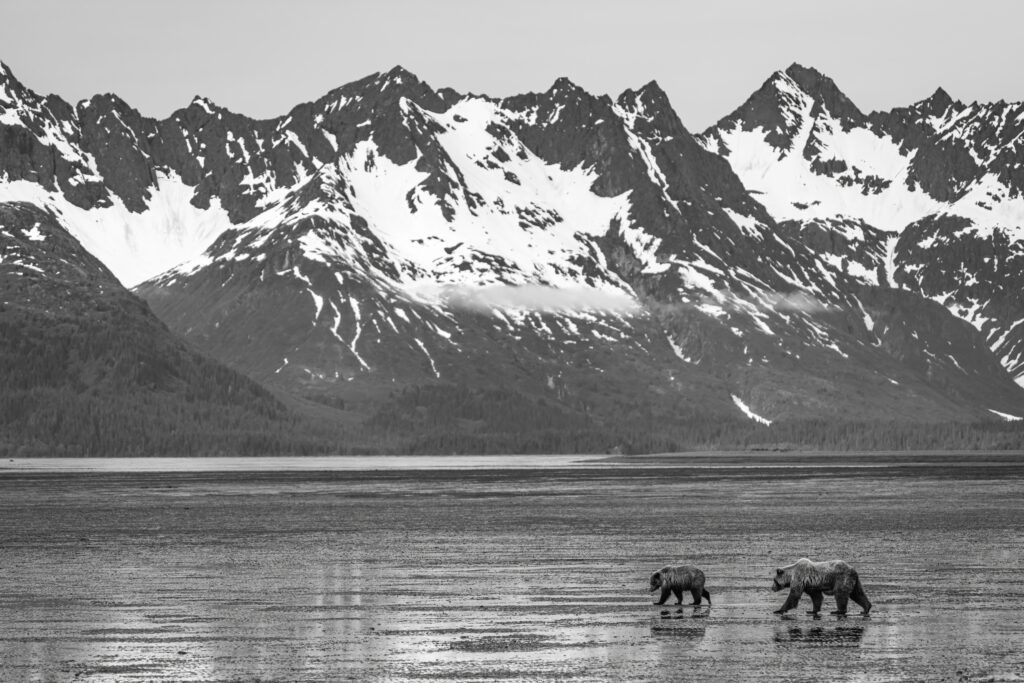
The Nature Photographer
You’re a gardener, but also a part of the local birdwatcher club. You cannot ignore what is around you, even when you already have something interesting in front of you. You like to take it all in. Sound familiar? Then, this might be your lane.
Nature photography is for the photographer who wants to do it all. You might head out with the intention of photographing wildlife, but you cannot help turning around when the light hits a landscape just right. Or you are working a beautiful scene and suddenly an animal steps into it, changing everything. You are drawn to nature in all its forms, and you do not like the idea of choosing just one.
You are constantly shifting your focus. One moment you are zoomed in, tracking an animal and waiting for behavior, and the next you are stepping back to take in the entire environment. You start to see how the two connect. The landscape is not just a backdrop. It is part of the story. The best moments often happen when these overlap.
Because of that, you start to prepare differently. Many nature photographers are well served carrying two cameras, one with a telephoto zoom ready for wildlife, and another with a wide-angle lens for landscapes. It is not about having more gear for the sake of it. It is about being ready for whatever unfolds in front of you without having to choose one opportunity over another.
The photographers who begin to stand out are the ones who can move fluidly between these perspectives. They are not locked into one way of seeing. They let the scene dictate the shot instead of forcing it into a single category. That flexibility becomes a real strength in the field.
The challenge is that when you try to photograph everything, it is easy to lose clarity. Without a clear subject or intention, images can feel scattered instead of intentional. The goal is not to capture everything, but to recognize what is working in front of you and commit to it in that moment.
And if we are being honest, even if you love both wildlife and landscapes, you are probably better at one than the other.
The Travel Photographer
If you are the one who brings a camera everywhere, not just for the “big moments” but for everything in between, this might be your lane.
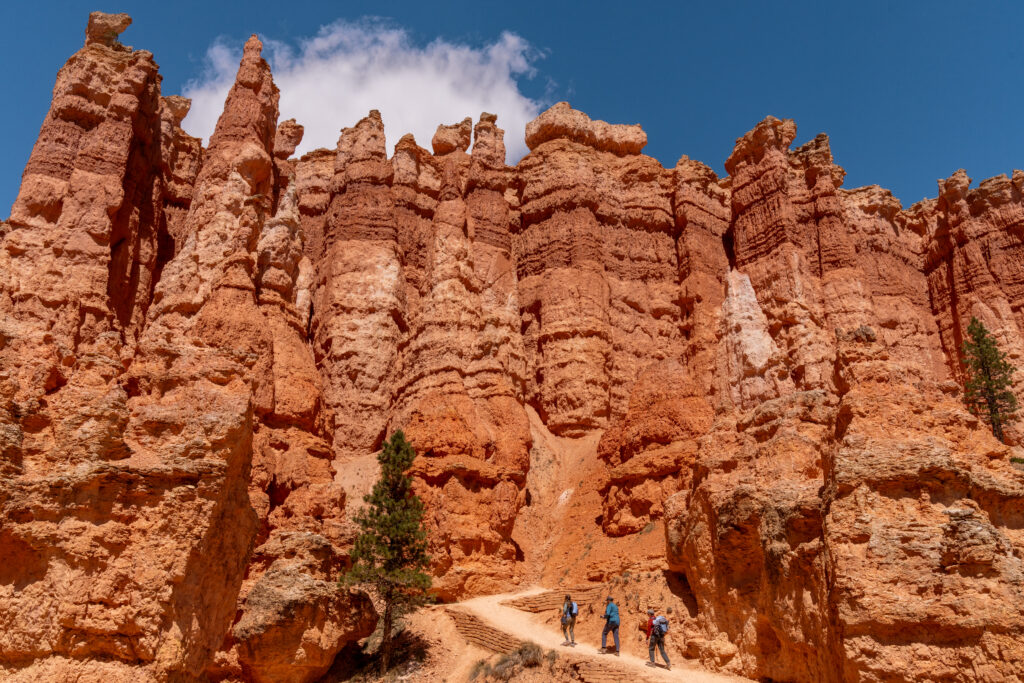
Travel photography refuses to sit in a clean box. You might photograph wildlife in the morning, landscapes in the afternoon, and people or culture in the evening without thinking twice about it. You are not just chasing subjects, you are trying to understand a place. What it looks like, what it feels like, and what makes it different from anywhere else you have been.
The challenge is not technical, it is observational. Anyone can take a photo of a landmark, but that does not mean it says anything. The question you start asking yourself is different. What actually tells the story here? Is it the wide scene, or is it the small moment happening off to the side? Is it the iconic view, or is it the way someone interacts with it?
The photographers who begin to stand out are the ones who look beyond the obvious. They still get the big shots, but they do not stop there. They pay attention to the in-between moments. A glance, a gesture, a detail that most people would walk past. Those are the images that start to feel specific and lived in rather than just a record of where you went. For most travel photographers, it’s more about a collection of images than just one single image.
You also learn to adapt quickly. Unlike landscape photography, you do not always get to plan everything. Unlike wildlife photography, your subject is not always moving in predictable ways. You are constantly making decisions about what matters in front of you and how to frame it before it disappears.
The challenge is consistency. When you are photographing everything, it can be harder to develop a clear voice unless you are intentional about what draws your eye. The goal is not to capture it all, but to recognize what feels meaningful to you and lean into that.
Because at the end of the day, the best travel photos are not about the place alone. They are about your perspective of it.
The Fine Art Photographer
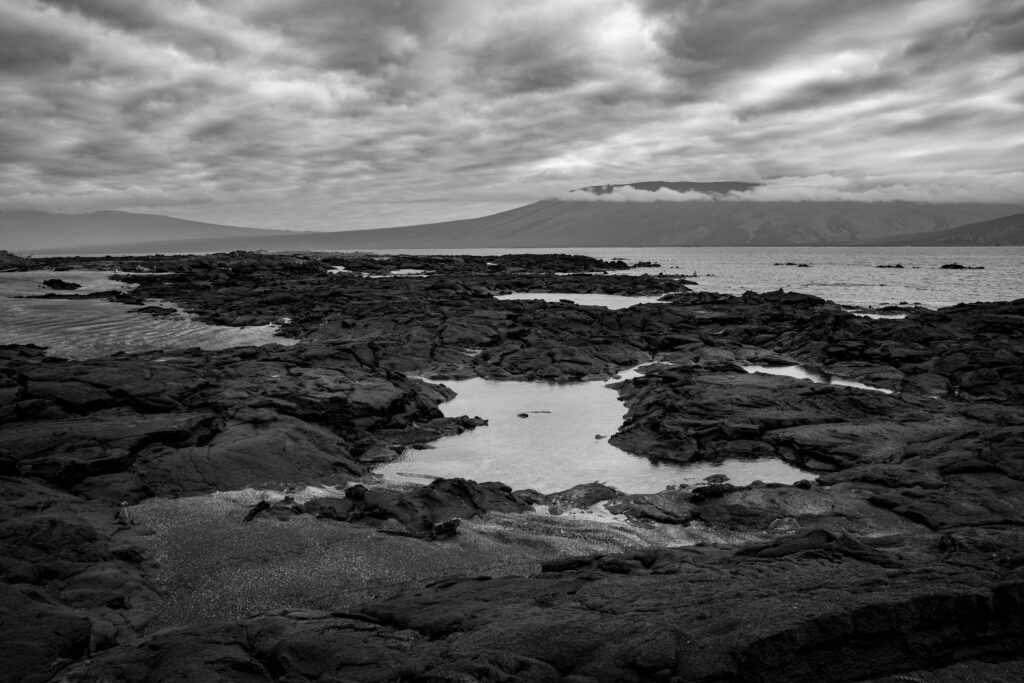
You’ve got numerous framed prints on your wall. The majority are black & white. Sure some are yours, but some are also purchased from your local gallery, maybe even a print from a famous photographer you admire. There’s are least a few books on photography on your bookshelf. This discipline might be your lane.
Fine art photography steps outside the usual rules. It is less about what is in front of the camera and more about how you interpret it, and ultimately how it is presented. You are no longer just asking what the subject is. You are asking what it feels like, and how that feeling translates into a finished piece. The goal is not a perfect record of what your camera saw. The goal is an image that communicates something beyond that.
You start to think about the entire process, not just the moment in the field. The photograph does not end when you click the shutter. In many ways, that is just the beginning. Editing becomes a critical part of your workflow, not as a fix, but as a tool for shaping the image into what you envisioned. The digital darkroom is where a lot of the decisions happen. Color, contrast, tone, and even reality itself can be adjusted to better match the feeling you are trying to convey.
The photographers who begin to stand out in this space are the ones who are intentional from start to finish. They are not just experimenting for the sake of it. They are building toward something. A print. A collection. A body of work that holds together and says something consistent. The image is not just for a screen. It is meant to live somewhere, to be experienced in a more permanent way.
There is also a different relationship with the craft itself. You likely hold your work to a higher standard and expect it to be seen that way. This is not just a hobby or a quick capture. There is an element of authorship here, of wanting to be known not just as a photographer, but as an artist. That comes with a willingness to spend more time, to be more critical, and to refine your work beyond what most people would consider finished.
The process is not always clean. A lot of what you create will not work, and that is part of it. You are testing ideas, refining your voice, and pushing toward something more personal. The challenge is staying connected to the viewer. If an image becomes too abstract or too manipulated without intention, it can lose its impact just as quickly as it gained freedom. The goal is not just to create something different, but to create something that holds attention and lingers.
So…Which One Are You?
The honest answer for me is probably a mix. I’m a zoologist by training, so I lean on that heavily as I head out to photograph. If you were to look at my portfolio, it’s probably 70% wildlife and 30% everything else.
Most photographers start by identifying with one category because it gives them direction and helps build skills. But if you stay in that lane too long, things start to flatten out. You take the same kinds of photos, solve the same problems, and stop seeing new possibilities even in your chosen discipline.
Why It Matters to Branch Out
This is where growth actually happens. Trying a different discipline is not about abandoning what you love. It is about strengthening it. A wildlife photographer who studies landscapes gets better at composition and light. A landscape photographer who spends time with wildlife will begin to notice the smaller scenes in an environment. A travel photographer who experiments with fine art starts to develop a stronger personal voice. A nature photographer who focuses on people will realize how much those skills translate back.
Even something as simple as experimenting with shutter speed can change how you understand movement across all types of photography. Planning your shots ahead of time through previsualization can make you more intentional no matter what you are shooting . Growth comes from stepping into something unfamiliar and figuring it out.
Final Thoughts
So what kind of photographer are you? Pick one if you want. It is a useful starting point. But do not let it box you in. The best photographers are not defined by a category, they are defined by how they see, and that vision gets sharper the more you challenge it.
Next time you are out shooting, try something different. If you always zoom in, go wide. If you always chase wildlife, look for patterns. If you always play it safe, experiment a little. You might not come home with the shot you expected, but you will come home better.
And that is one of the most rewarding parts of being on a Photo Expedition. In a single day, you might photograph wildlife behavior, sweeping landscapes, and small abstract details without even realizing you are switching disciplines. It is one of the few environments where you are encouraged to explore every side of your photography, not just the one you are comfortable with.
Happy Photographing,

Leave a reply