What’s in my Camera Bag? An Iceland Photo Adventure
Iceland is a landscape photographer’s dream location. The colors, textures, and generally otherworldly scenes and features throughout this tiny island offer incredible photo opportunities. However, the lens selections to give you the variety of shots you’re hoping for may surprise you.
If you’re headed to Iceland on a photo expedition, be sure to consider all the options on the table, from wide angle to even zoom telephotos, as you’ll want to capture this stunning country in all the ways possible!
Please note, photographic styles vary, as do conditions on the ground. While this is meant to be a guide for choosing your camera gear, you should consider your own photographic interests first and foremost.
Wide-angle Zoom Lens
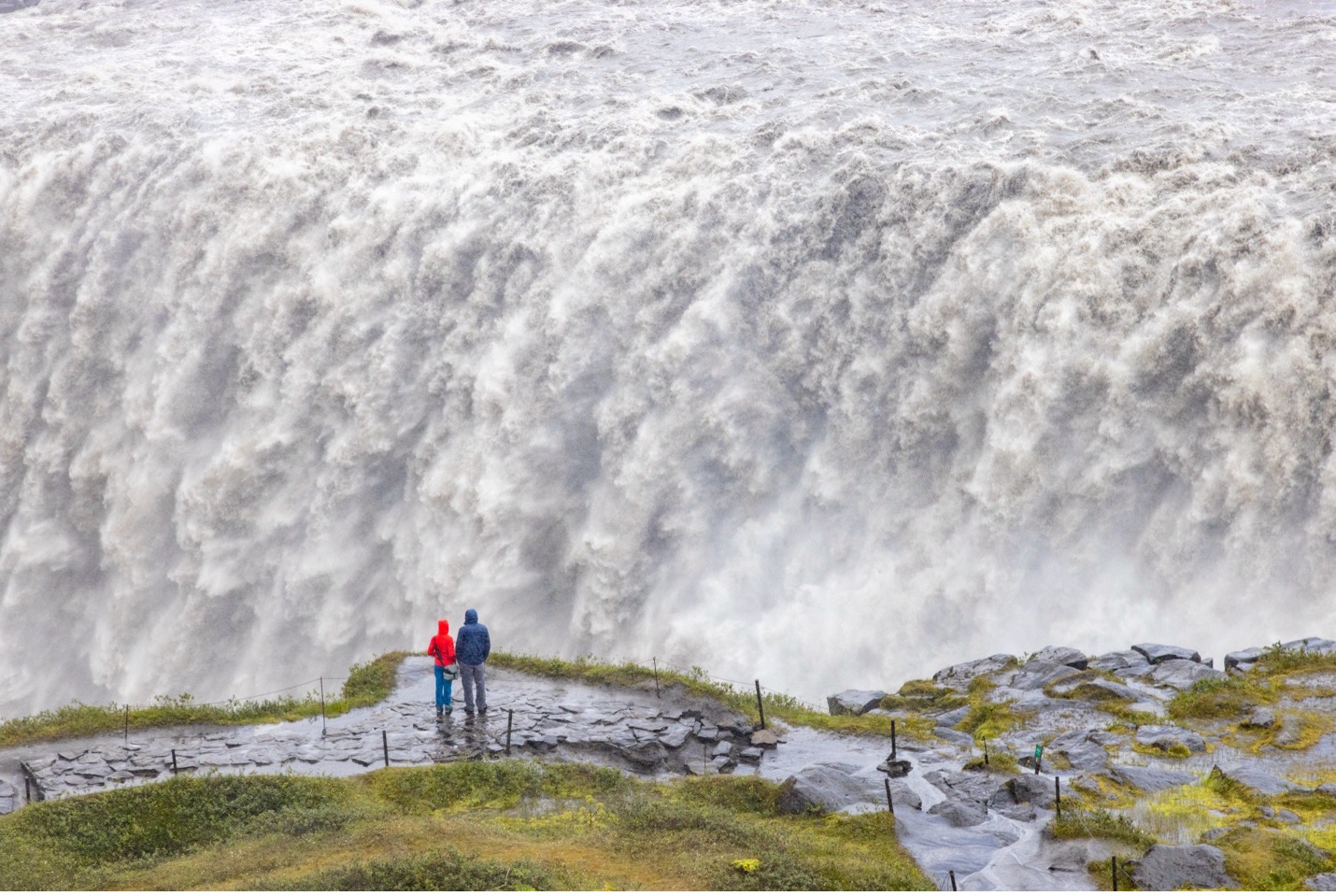
This is likely the lens that you’re thinking of for 90% of your shots, and you’re not entirely wrong. These are your 18-55mm (crop frame sensors) or 24-70mm (full frame sensors) lenses and they are going to be your go-to for so many photos. However, I’ll make the argument that while this class of lens is used often, it’s not the only thing you’ll want to take with you…you’ll see that I’m a big fan of Zoom Telephoto lenses as well. Let’s say this will be on your camera for 60-70% of your shots.
Nevertheless, the other consideration here is whether you choose a dedicated landscape lens, like these mentioned above, or whether you aim for something a bit more multi-purpose. New lenses are coming out all the time and the ranges of lenses are getting more and more all-encompassing. For instance, most camera manufacturers are offering 18-200mm or 28-300mm lenses. In some ways, these are amazing, as they give you extended reach, while still offering a rather wide end of the spectrum.
The word of caution on these multi-purpose lenses is that they tend to sacrifice a bit in terms of quality and sharpness, and usually have moderate to disappointing apertures. For instance, while the venerable 24-70mm usually has a max aperture of f/2.8, a 18-200mm might only allow you to get to f/4 or f/5.6 as the smallest f-number (aka, maximum aperture).
In some places around the world, this is a deal-breaker, as you are limited by light and you need that ‘fast’ aperture of f/2.8 or f/4 throughout your range. However, it’s less of an issue in Iceland, as you typically have ample light, thanks to the very long days and lingering golden hours.
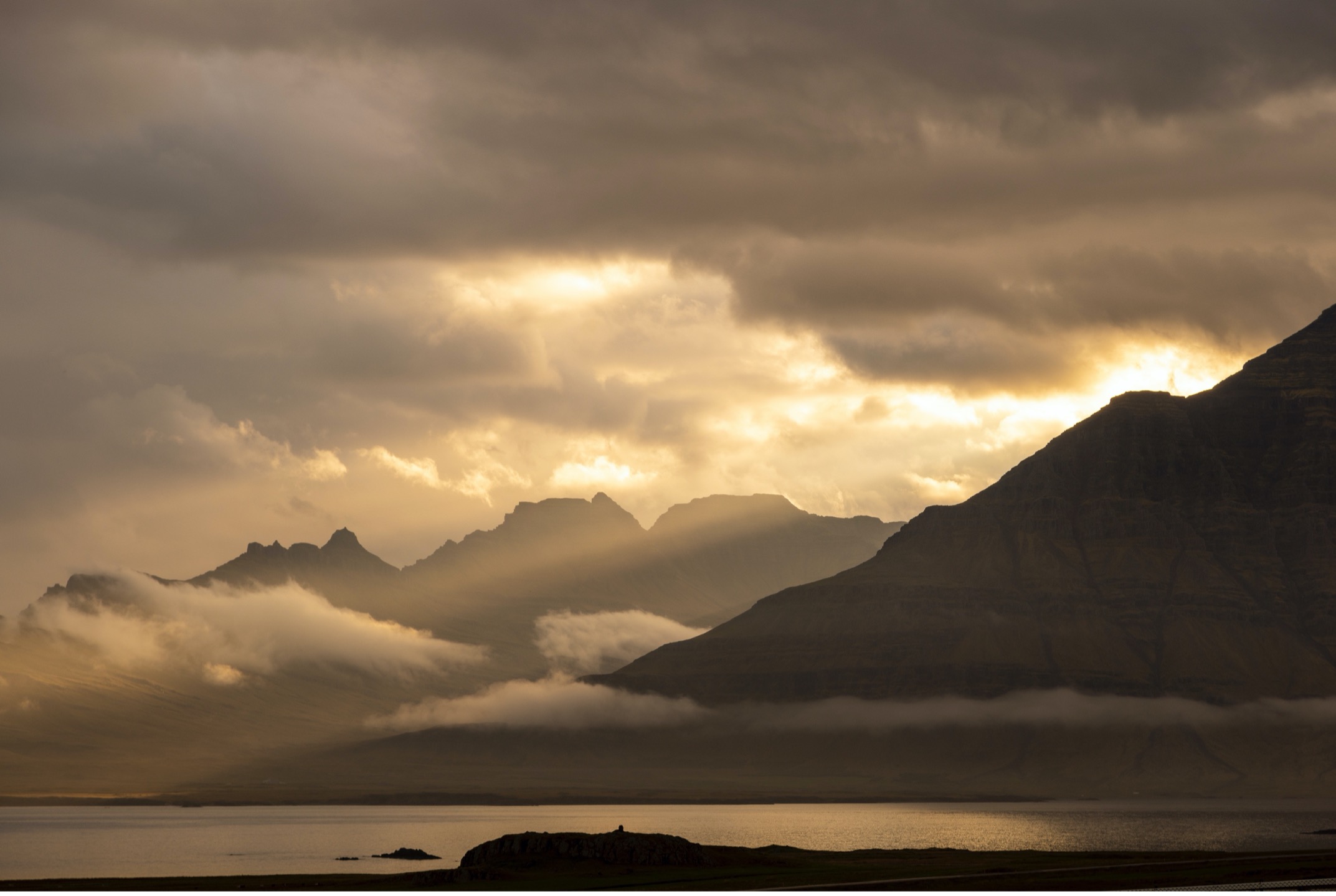
I personally still go with a dedicated wide-angle zoom—one that has less range, as I’m a stickler for both aperture and image quality. In addition, the multi-purpose lenses are often quite a bit bigger, so lugging them around for every photo opportunity can become taxing. However, they do give you the ability to have a one-stop-shop in terms of one lens that can do it all for Iceland.
Zoom Telephoto
Although landscape photography will dominant your photo opportunities while in Iceland, having some telephoto reach is essential. Being able to fill-the-frame with landscape features, slices of the landscape, or distant scenes gives you SO much versatility. You’ll ultimately come away with more photos, better photos, and grander memories of your adventure.
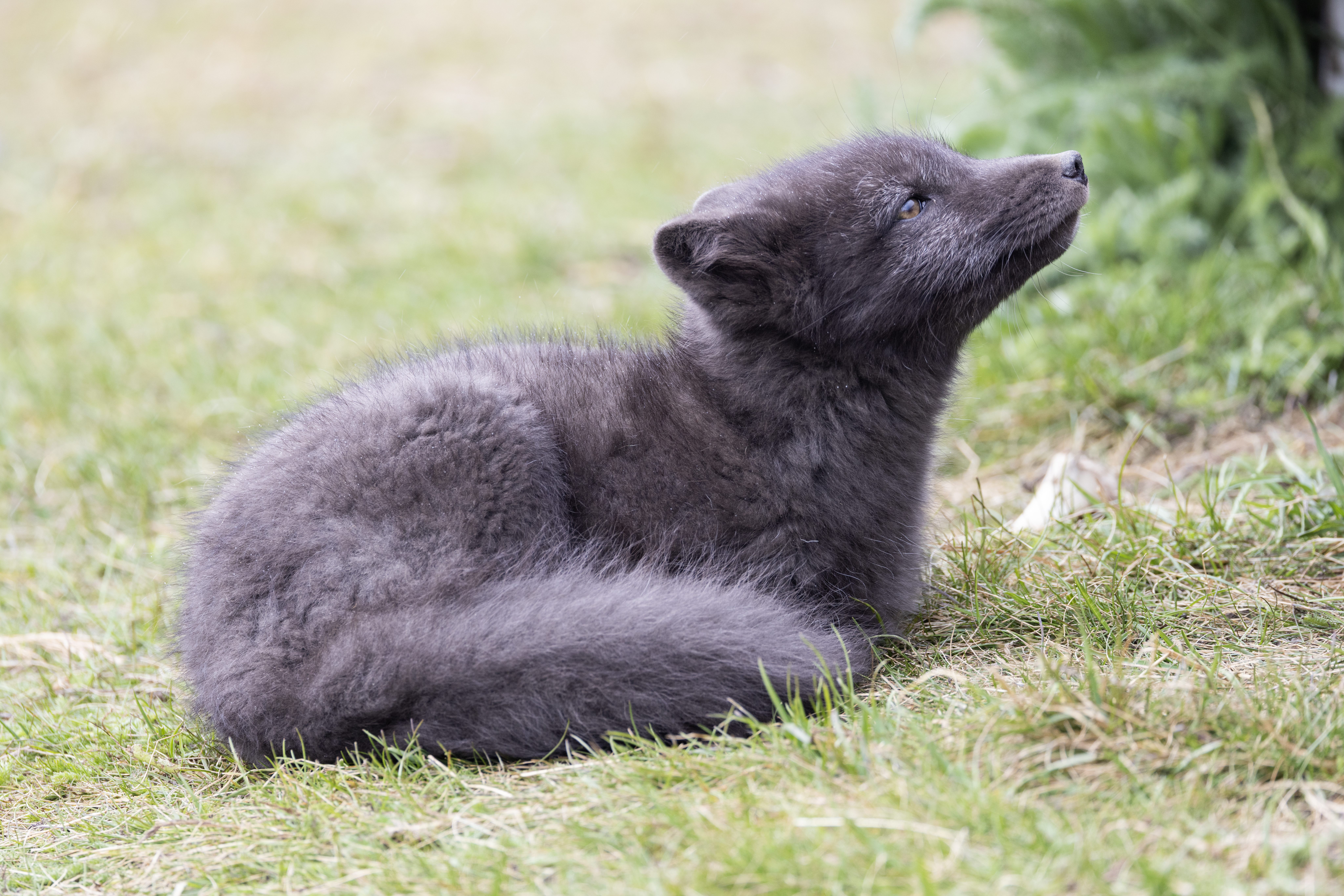
There are indeed wildlife photography opportunities in Iceland, even if ‘domestic’ like Iceland’s horses. But principally, I’m thinking of the not uncommon arctic fox sightings, puffins and whales.
Because of the need for some telephoto, plus the huge benefit of having a telephoto for landscape, this is where I do tend to err on the side of one lens to satisfy this need. I go for my trusty 100-500mm each and every time. You can absolutely get away with a 100-400mm or even a 70-300mm (especially for crop frame sensors), but being able to have that extra versatility in a relatively small kit is fantastic.
An Ultra-wide Lens?
This one is a toss-up. Ultra-wide lenses, like the 10-22mm (crop frame) or 16-35mm (full frame) are super fun, but probably not as useful as you might think. It’s a common misconception that big landscapes need big ultra-wides. To me, it’s actually the opposite. When you have massive landscapes, I tend to use more medium telephoto lengths because the landscapes are so big that you really need to break them down into components—more narrow fields of view.
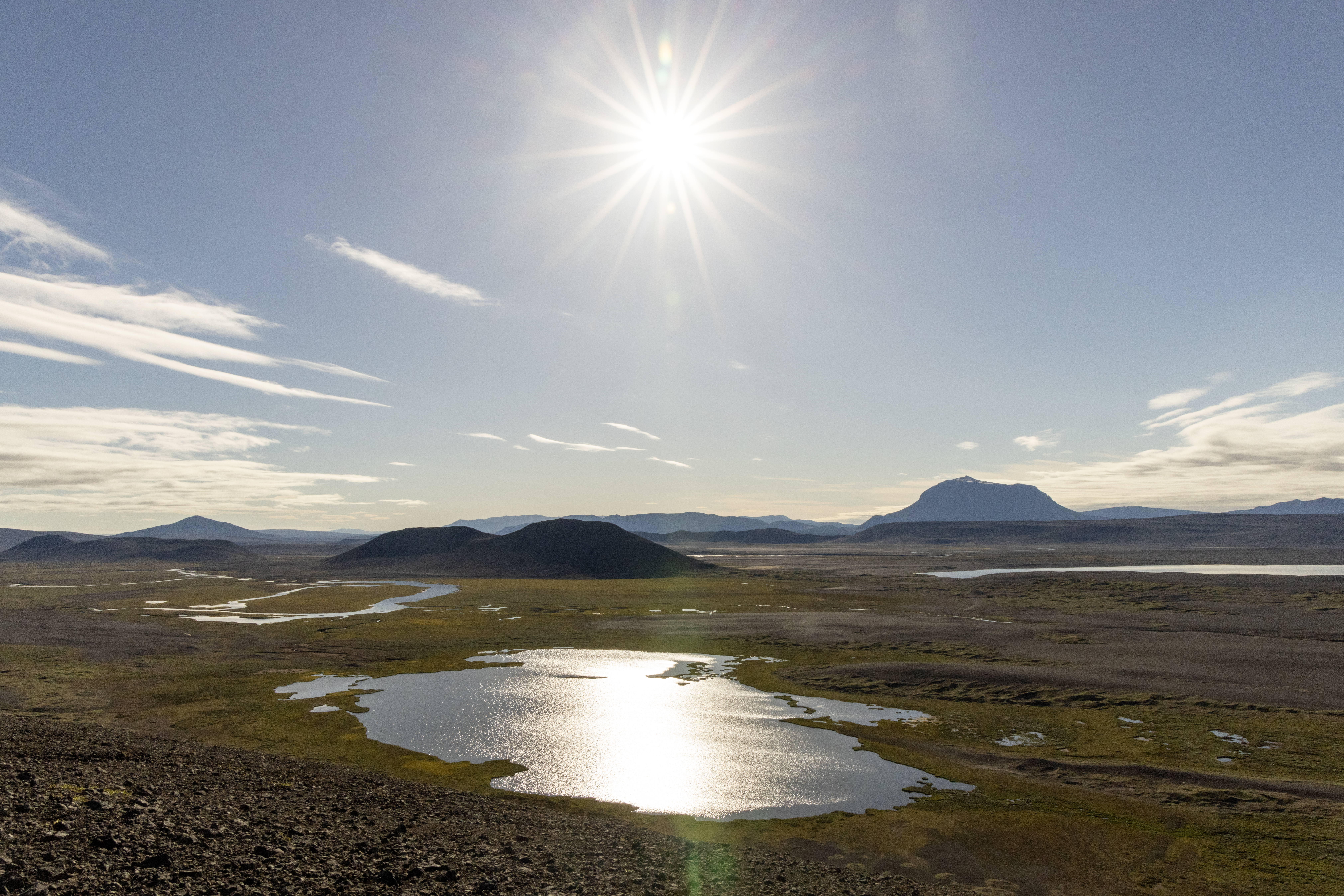
The issue is that ultra-wide lenses actually make landscape features look proportionately small in the frame. For me at least, I’m going the opposite—I want to make the waterfall, the lava rock, or the seascape look as big and impressive as possible. Thus, something in the normal wide angle range or even telephoto range is my go-to. There are exceptions if you want to encapsulate the entire volcanic crater into your frame, or get really creative with big landscapes like the below.
The other exception is if you are gearing up for some northern lights photography. Having an ultra-wide if lady aurora comes out is hugely beneficial, as you want as much of the sky in your frame as possible. Typically, a 24mm or 28mm isn’t going to perform as well. In addition, you’ll want to have a ‘fast’ lens, like the 16-35mm f/2.8 to get as much light as possible.
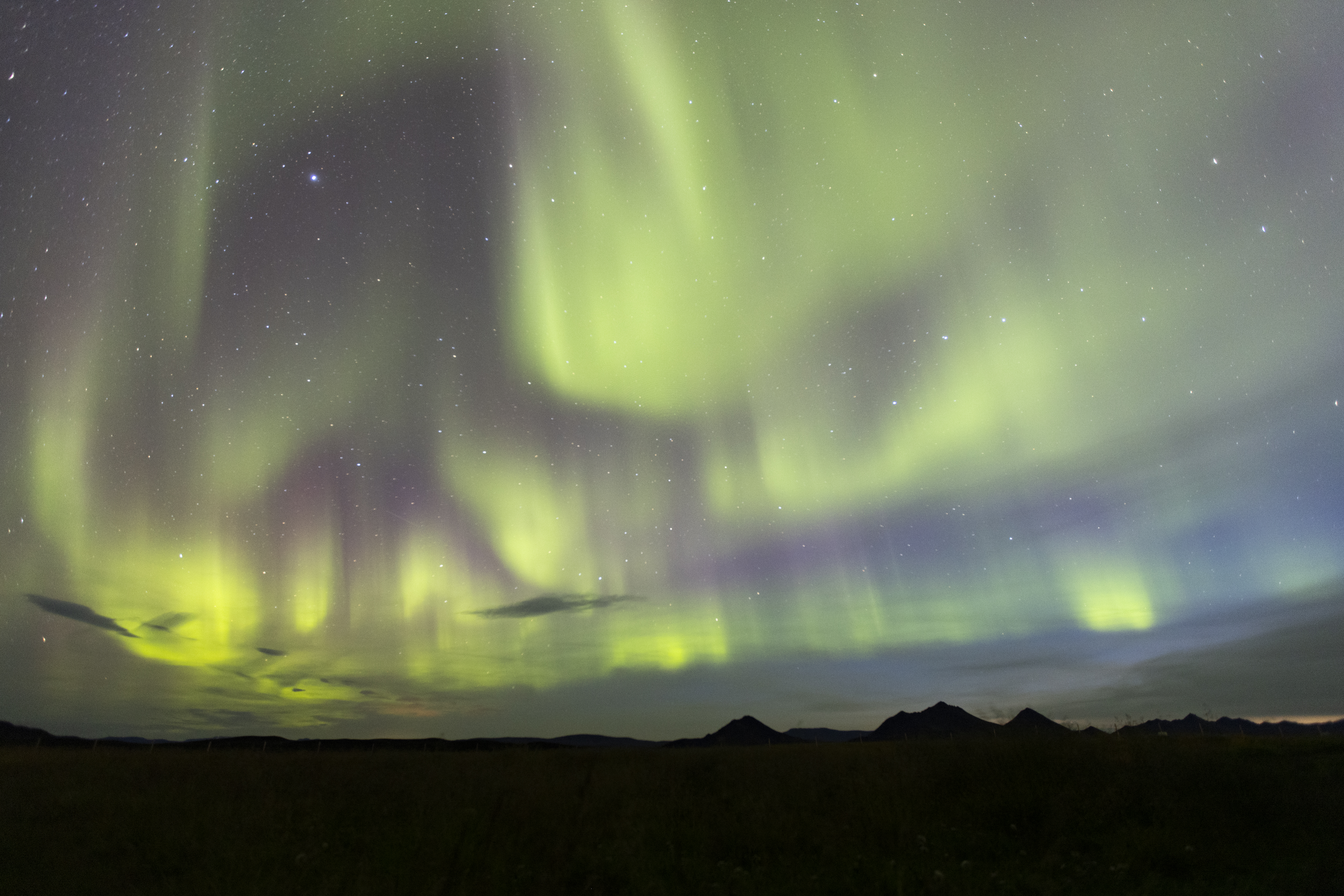
While I’d love to guarantee you northern lights on an Iceland trip, it’s important that you temper your expectations. The long summer nights mixed with periodic cloud cover means that you do have to get moderately lucky in seeing the aurora in Iceland during the classic summer season. Frankly, if you are there prior to the middle of August, you simply might not even get any truly dark skies, which are quite important for the defining colors of the aurora.
However, because these are often smaller lenses, it could be worth packing one, particularly if you are drawn to the ultra-wide look in your photography. But other than aurora, I personally don’t view these as essential and would consider these an ‘x-factor’ lens.
Filters
In today’s photographic world, with such robust editing power in Photoshop and Lightroom, filters are less necessary than they were 10 or 20 years ago. However, there are still two that you may wish to consider.
The first is a polarizing filter.
You may wish to bring along a polarizer if a) you already have one and tend to use it on your nature trips and b) you want to emphasize the color and texture of clouds and skies—something a polarizer does quite well.
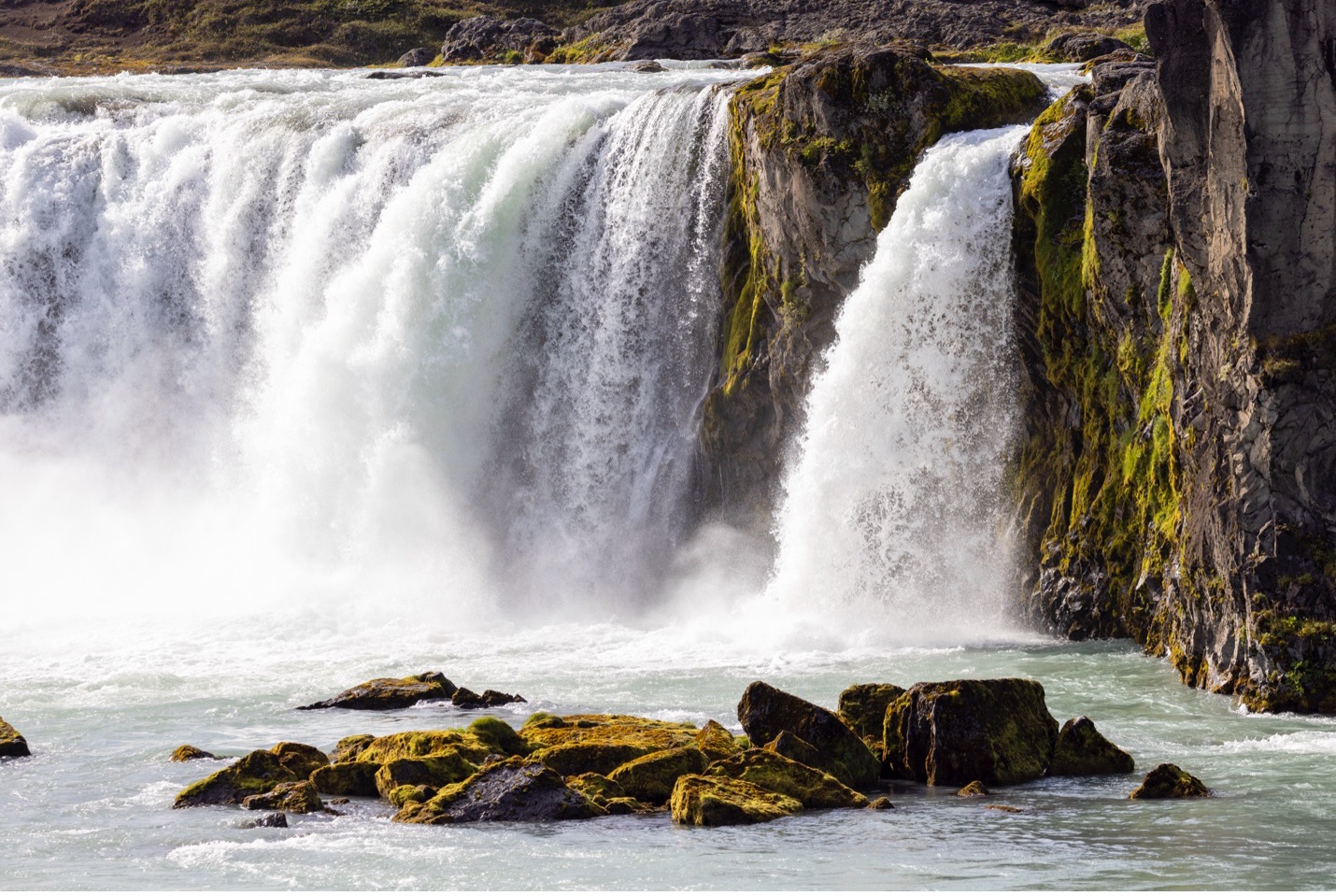
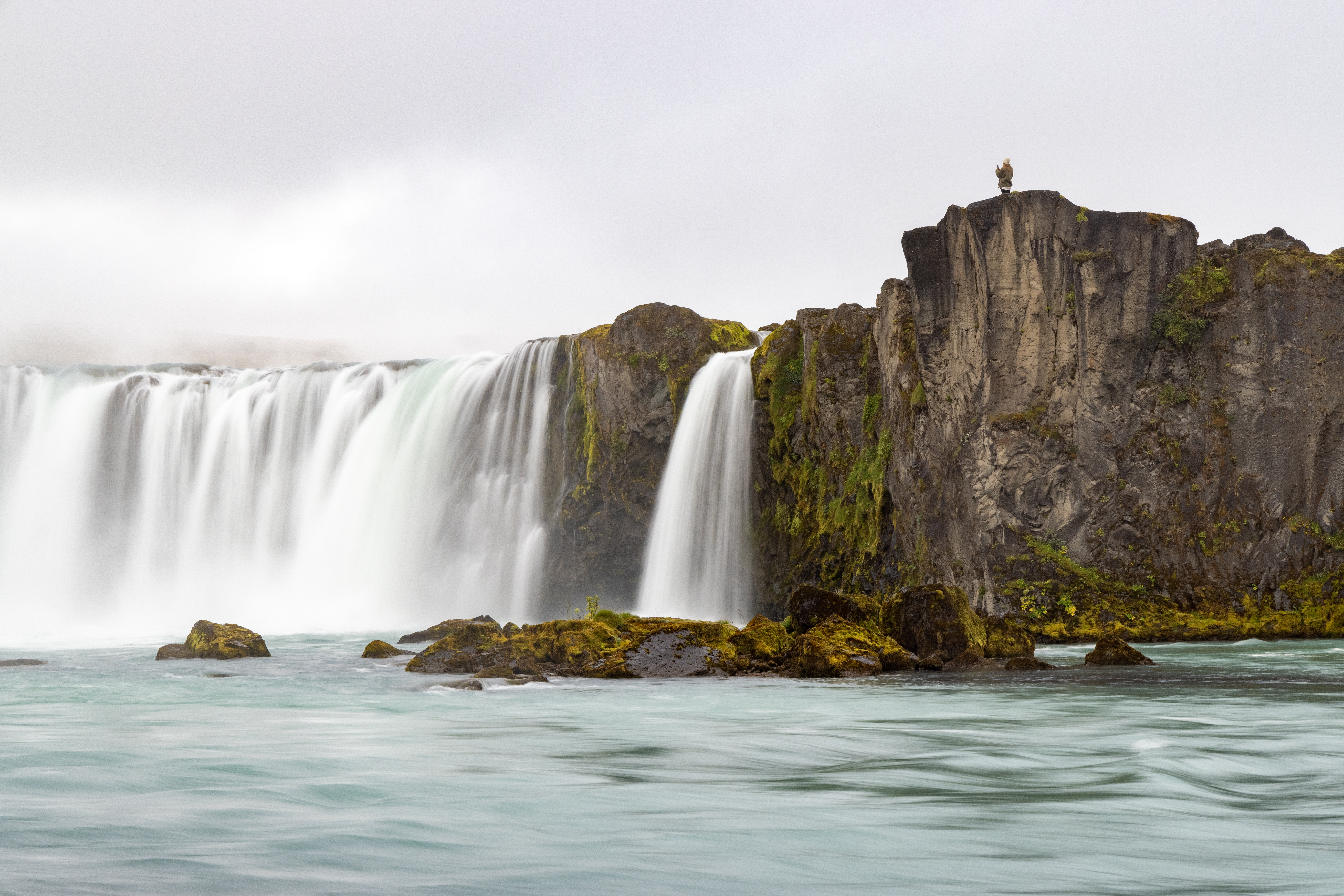
The second filter is vital if you wish to capture silky water photography. And you’ll have loads of opportunities to do this at many of Iceland’s incredible waterfalls. The filter needed here is a Neutral Density filter, also known as an ND, for short. These physically limit the amount of light getting into your sensor and is like a pair of sunglasses for your lens. The key thing this enables you to do is shoot at slow shutters, which is critical for silky water effects, during daylight conditions. Otherwise, without this filter, you can only go so slow before your camera taps. In other words, you can only limit light so much via ISO and aperture, so this mechanically limits light and gives you so much flexibility on exactly how long you leave your shutter open for silky waterfalls.
Read here if you’d like to learn my technique for getting silky water effects in your photography.
Other Accessories
While we’re on the topic of silky waterfalls, if you wish to shoot slow shutters of any kind, a tripod is another essential gear item. At 1, 2, or even 4 second exposures, you simply cannot handhold these shots. Same goes for northern lights, where you may be shooting at 20+ seconds to capture the green glow of the aurora.
As far as other accessories, it maybe obvious, but you should bring some extra batteries and plenty of memory.
Because the temperatures in Iceland during the summer aren’t as cold as the winter, the risk of battery drainage from cold conditions isn’t much of a problem. Nevertheless, you’ll want to have at least one or two spare batteries so that you can shoot all day between recharges at night.
The final accessory that is relatively unique to Iceland (at least compared to, say, African safaris) is some sort of waterproofing for your gear. Many of the waterfalls do have spray that extends well outside of the waterfall itself, and if it’s windy, this spray could turn into an outright downpour!
A waterproof backpack is great, but the more important (and packable) thing is simply a dry bag to snap around the camera while it’s on my neck. This prevents 98% of the spray from getting to the camera and is extremely easy to take on and off for photo opportunities every step of the way.
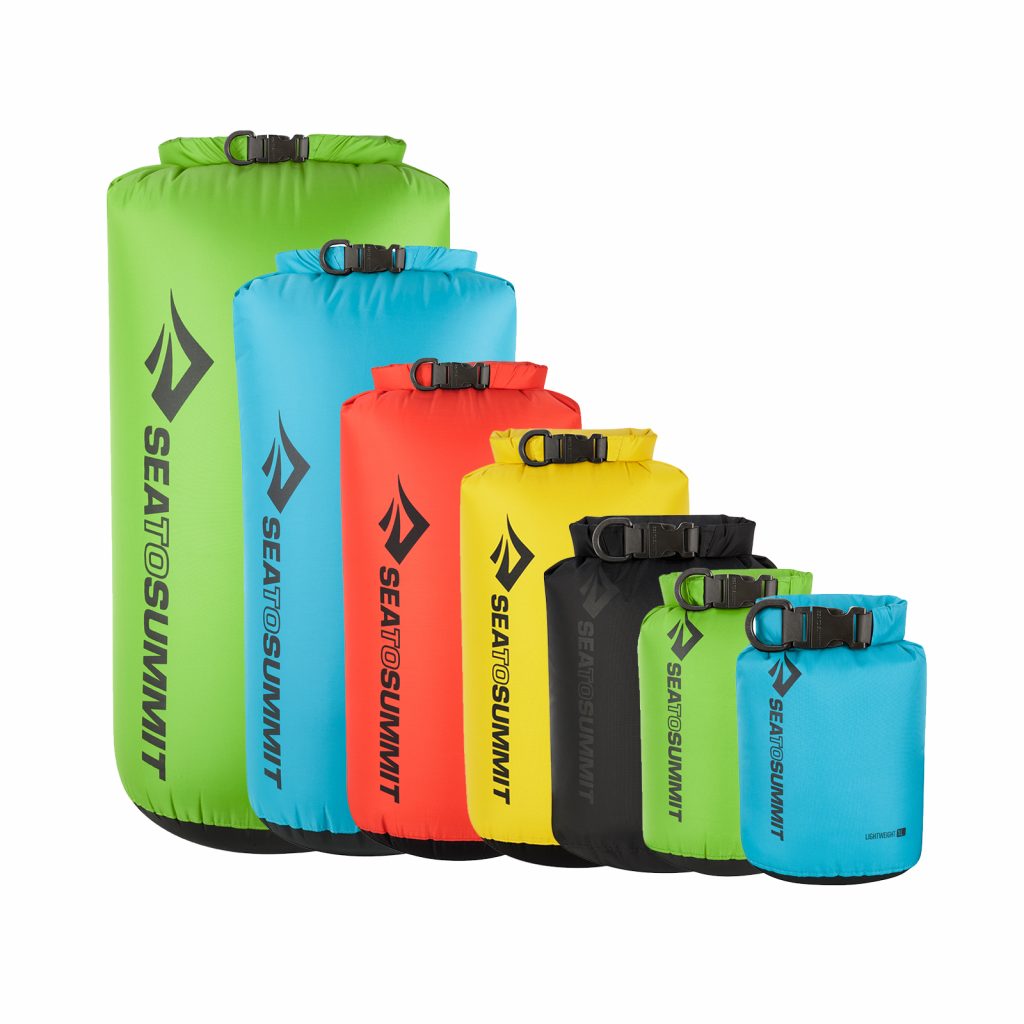
And there you go! A full camera packing list for photographing in Iceland. If you’re headed to this sensational place filled with oh so many photo opportunities, plan to cover yourself from the 24mm to 400mm range, know that going outside of this range is fine, but usually not critical, and consider bringing a few accessories like a tripod, ND filter, and waterproof bag to complete the kit.
If you’re headed to Iceland soon, I hope you have a marvelous trip and come back with photos of a lifetime!
All the best,

Court
Leave a reply