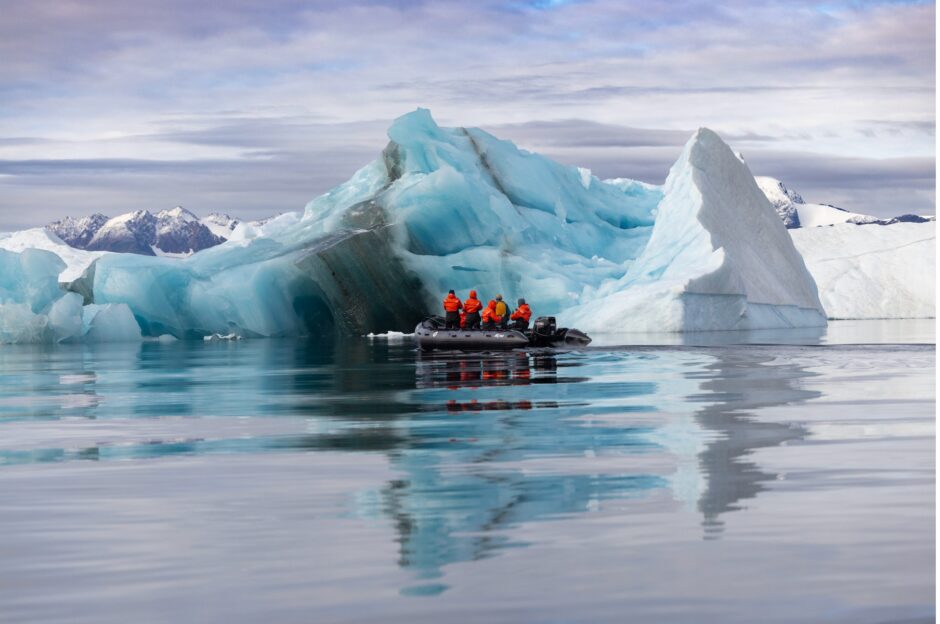
An Essential Lens for Photographing Greenland
When headed into a landscape-oriented photo trip, one often thinks about the classic landscape lenses first. You know, the 18-55mm or 24-70mm types. In other words, your wide angles that give you big field of views.
However, while those absolutely make it into my camera bag when prepping for a photo expedition in Greenland, there is another lens I use nearly as often (probably even MORE often!) and it gives me unique perspectives and jaw-dropping landscape photo opportunities.
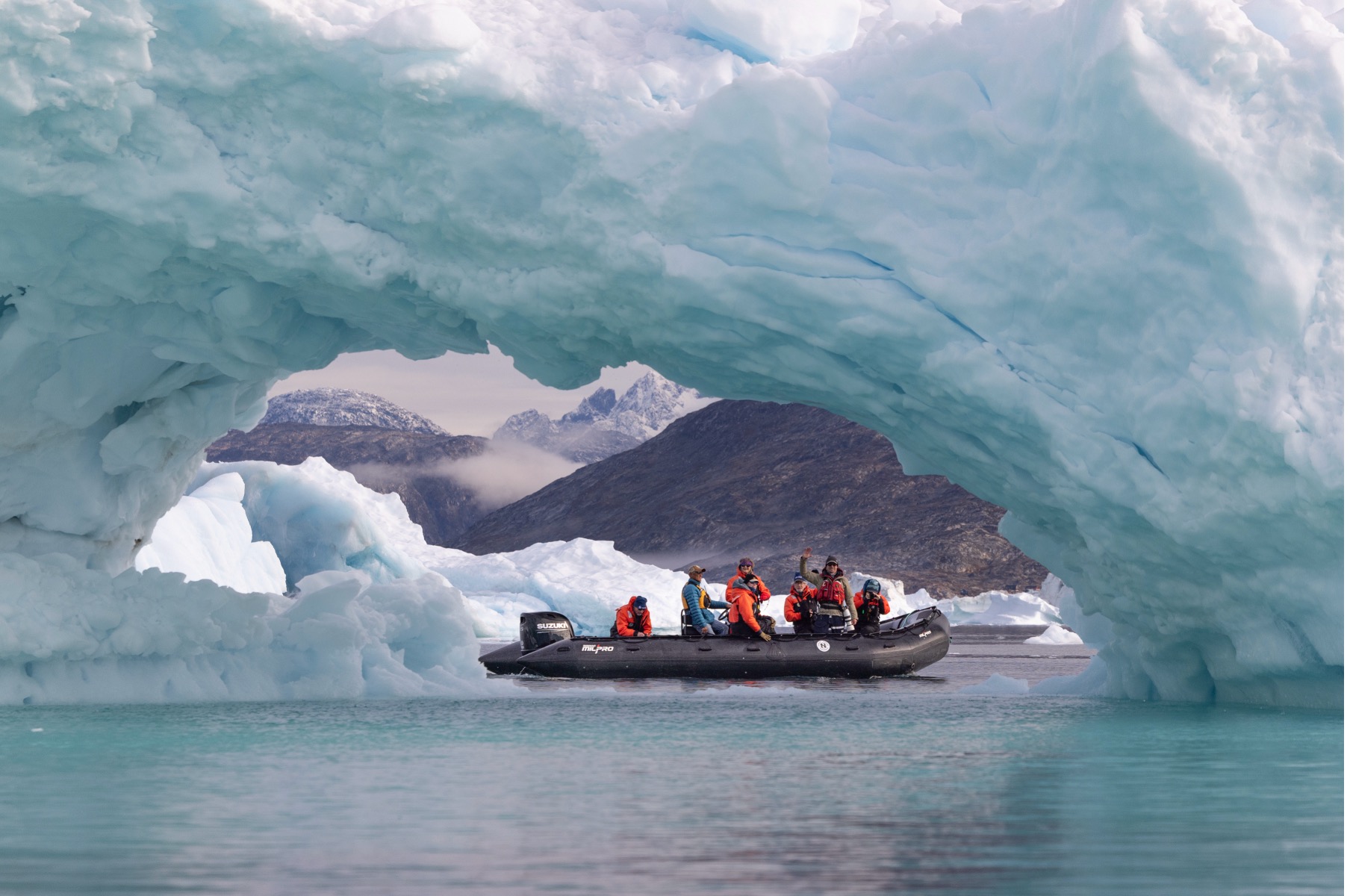
I’m talking about the 70-200mm class of lenses. For those of you with point and shoots or even smartphones, as your primary photo-capturing-tool, these lenses aren’t necessarily remarkable from the telephoto standpoint…they are the equivalent of something like a 3 to 8 times zoom (roughly speaking). Nothing crazy, right? What makes them amazing is the sharpness combined with the ability to ‘zoom in’ a bit more than your classic landscape lenses, giving you the ability to fill the frame with the impressive array of surroundings you have in this spectacular part of the world.
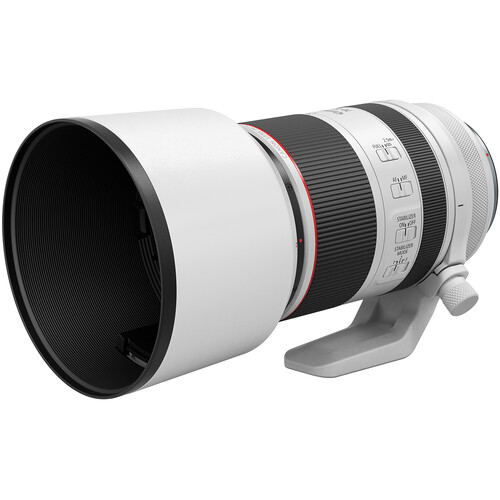
Why the 70-200mm is Critical for Me
It’s all about getting landscape and travel photos that look different from the norm. We’re all quite used to seeing the wide angle perspective. The classic landscape or ‘walking around lens’ as I often call it, like an 18-55mm or 24-70mm just has a certain look. You get a big field of view, but your subjects, whether they are landscape elements, people, or something else, tend to be rather small in the frame. And when surrounded by extraordinary and massive landscapes, I tend to want to make them look big!
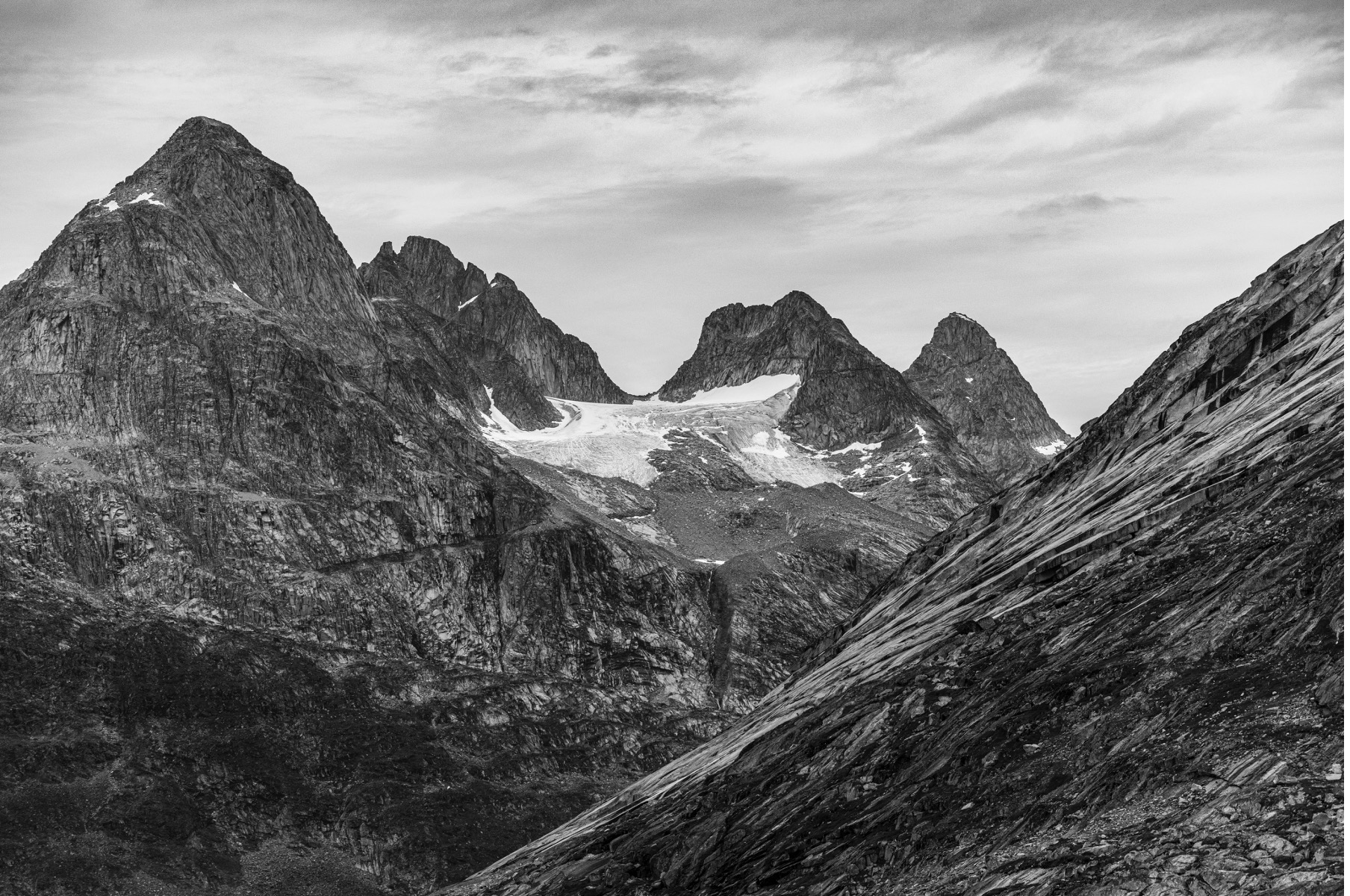
The 70-200mm class gives me that ability. It allows me to zoom in and even fill the frame with single or smaller icebergs. I can feature only the tippy tops of mountains and I can isolate subjects to give them more emphasis in the frame.
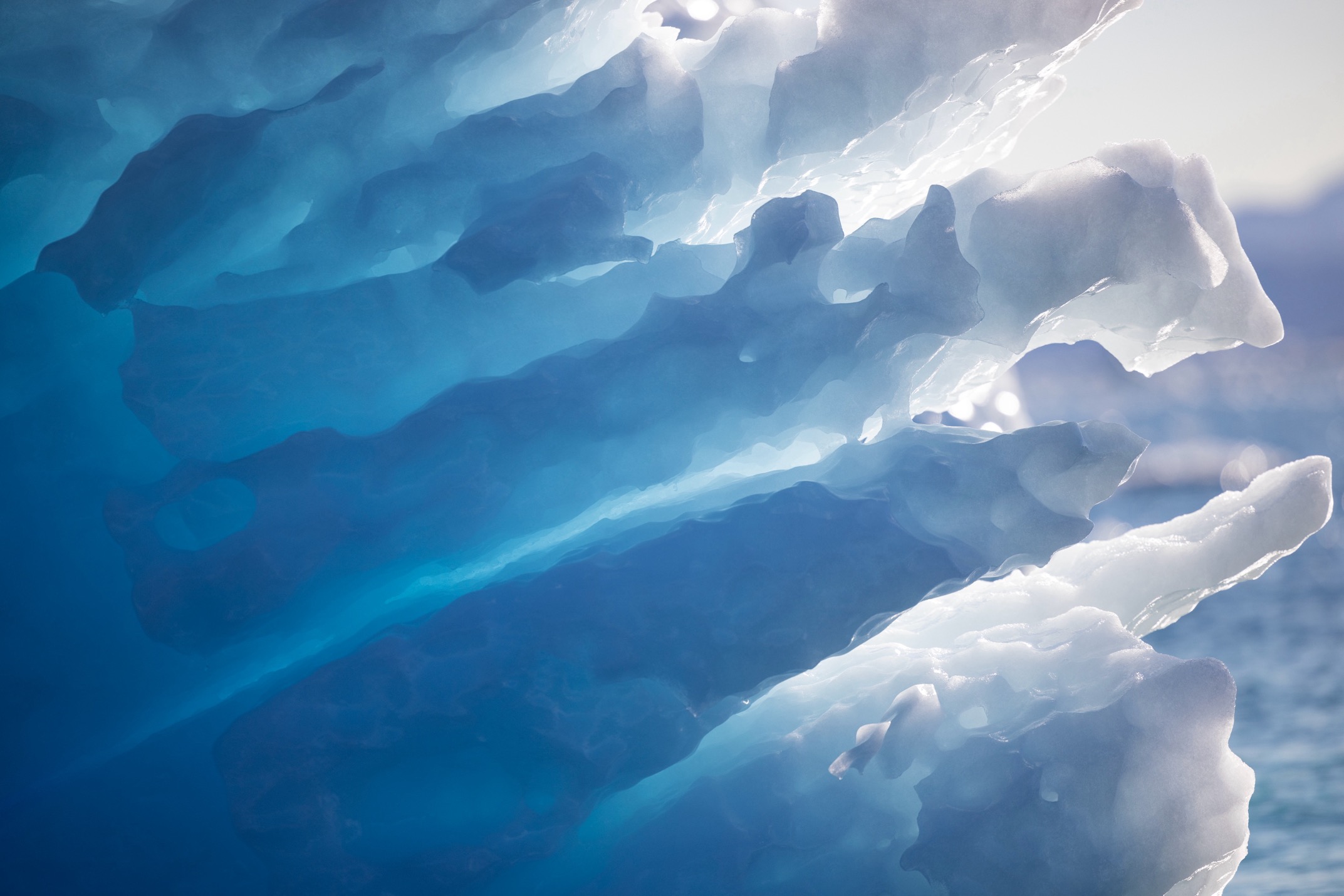
Or, I can zoom in when close to icebergs and other features like them in order to really fill-the-frame and show the colors, patterns and textures.
Other Options
Now, there are many other options out there when it comes to similar lens choices. A 100-400mm or 70-300mm is also a great choice. The primary thing I want to get across is the reach.
However, I must confess that the 70-200mm lens is really in a class of its own because of its incredible sharpness. It also usually is smaller and lighter than bigger telephotos, and in many cases it gives you an f/2.8 maximum aperture, which is lovely for creating that background separation and shallow depth of field. Plus, you can shoot in relatively low light, compared to other telephoto options (due to the f/2.8 max aperture), which can give you some striking sunset or sunrise photos in the fjords.
And perhaps the key point is that you don’t necessarily need a lot more as far as telephoto power. Sure, you could see some surfacing whales, and that’d be great to capture with a tad more telephoto, but I tend to prioritize landscapes when in Greenland.
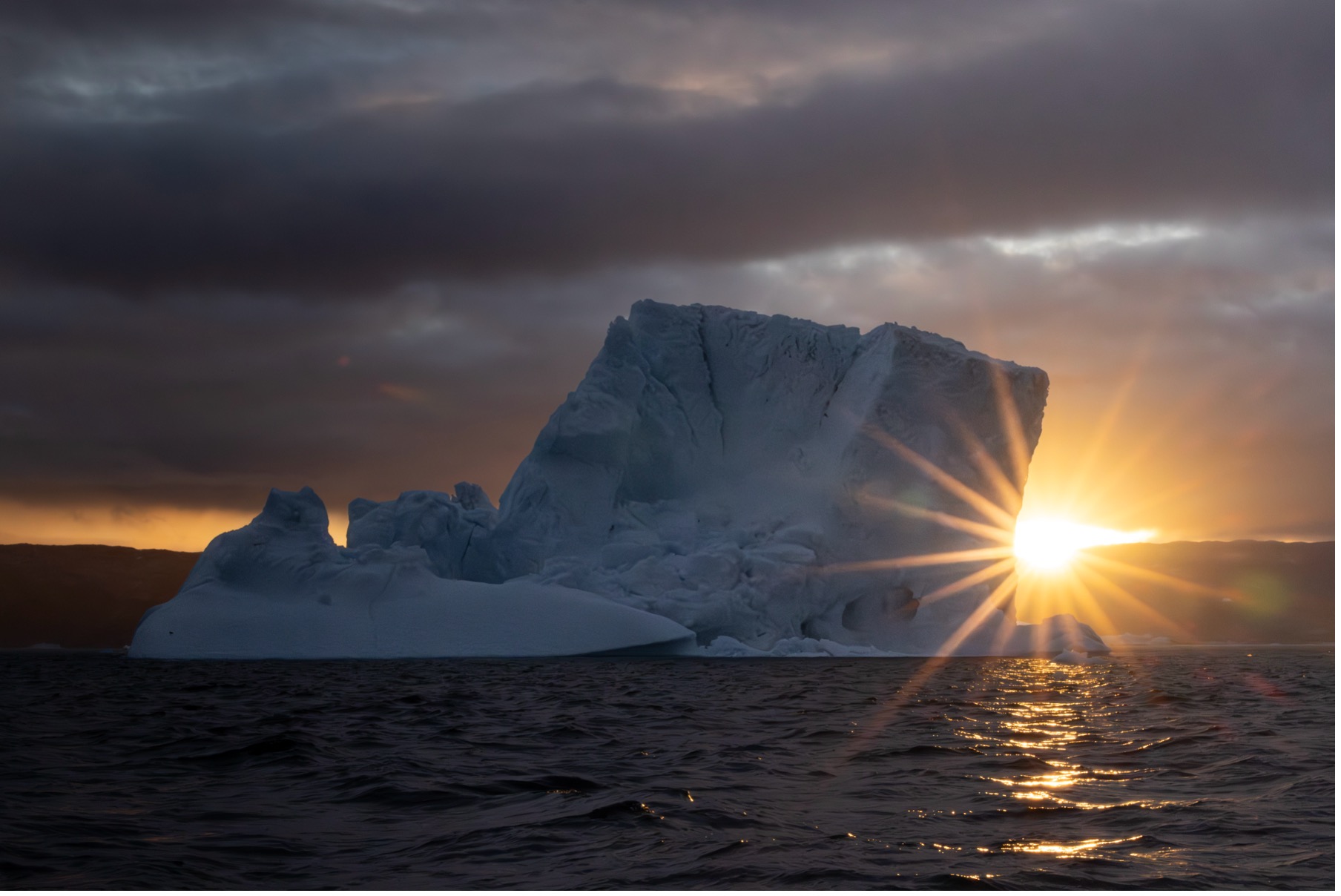
The really key message here is that just because Greenland is primarily a landscape destination doesn’t mean you won’t want some telephoto power. Being able to fill the frame with subjects big and small, take advantage of zoom compression in landscapes, and ultimately create a different feel to your landscape images is incredibly powerful. And if you’re headed somewhere as special and impressive as Greenland, you’ll want to have all the tricks up your sleeve and in your camera bag.
Enjoy it out there!

Court

Leave a reply