Photographing My Alaska Big 5
Alaska photography has a reputation for being hard. Big landscapes. Bad weather. Long distances. Animals that do not care about your schedule or your shot list. All of that is true. And all of that is exactly why Alaska produces some of the most rewarding wildlife photographs on the planet.
Before getting into the list, a bit of housekeeping. The term “Big Five” comes from Africa and originally referred to lion, leopard, rhinoceros, elephant, and Cape buffalo. These were the animals considered the most dangerous and difficult to hunt on foot. Like most borrowed ideas, the meaning shifts once you take it out of its original context. For photographers, the Big Five is no longer about danger or difficulty. It is about icons. The species that define a place in the collective imagination and shape why photographers show up in the first place. Once you leave Africa, the designation becomes subjective and open to interpretation.
Alaska might be the worst offender in that regard. Dall sheep, bald eagles, musk ox, polar bears, humpback whales, and wolverines all have a legitimate claim here. Leaving any of them out feels wrong. But the “Big 20” just doesn’t have the same ring to it.
So this is MY Alaska Big Five. A personal framework built around the animals that most consistently challenge photographers to slow down, think ahead, and earn their images. This guide is about stacking the odds in your favor. About slowing down even when adrenaline is high. About making deliberate choices when the subject finally appears after hours or days of waiting. These are the choices that turn a rare encounter into a photograph worth keeping.
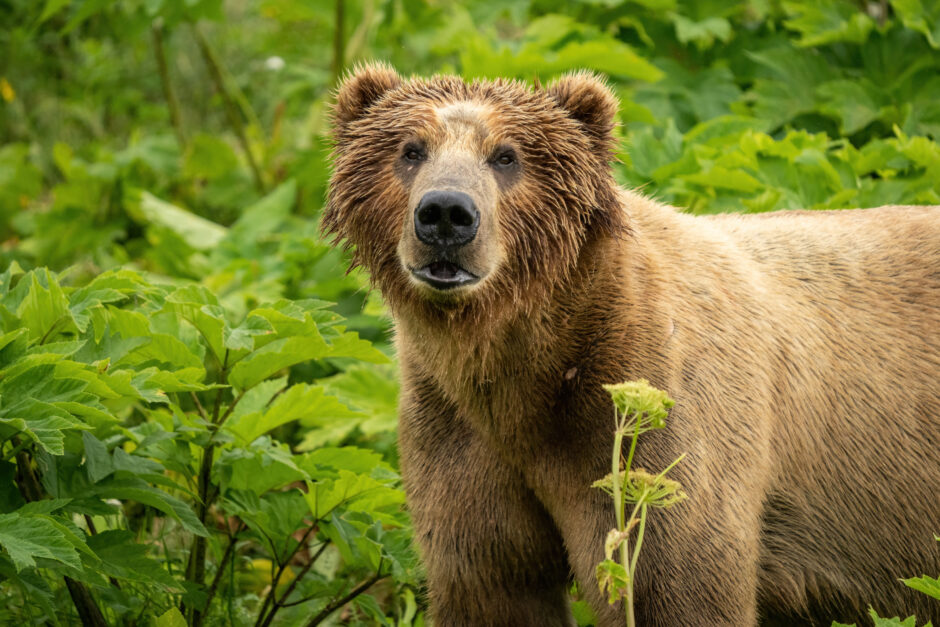
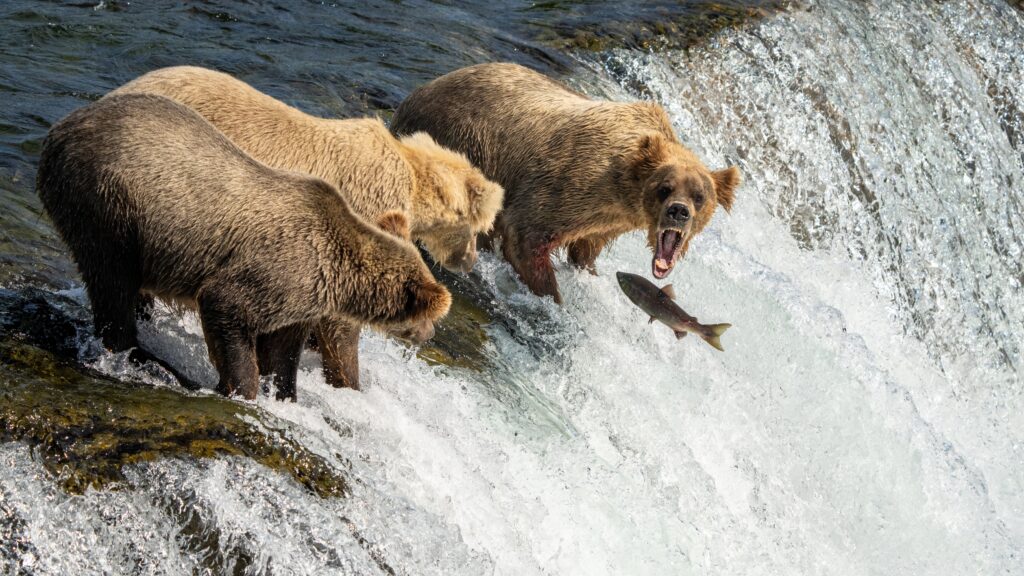
Brown Bears (The Headliner)
If you’re headed to Alaska, bear photos are already at the top of your list. Massive, intelligent, expressive, and endlessly variable in behavior. The mistake most people make is assuming proximity equals quality. Just because you are close does not mean the photograph is good.
The first decision with bears is angle. Standing height photographs flatten bears and exaggerate their bulk in unflattering ways. Whenever possible, get low. Eye level changes everything. A bear looking straight into the lens from its own height feels present and powerful rather than cartoonishly large.
Behavior matters more than action. Everyone wants splashes, open mouths, and fish flying through the air. Those moments are great, but they are not constant. What elevates a bear image is expression. A focused stare. Ears forward. A calm, alert posture. Learn to recognize when a bear is about to move or engage with its environment.
Light is often challenging in bear country. Overcast skies are common and that is a gift. Soft light preserves detail in dark fur and avoids harsh contrast on wet coats. If the sun breaks through, pay attention to direction. Side light reveals texture. Backlight can work beautifully if you expose carefully and watch your highlights.
Lens choice should favor flexibility. Long lenses are essential, but the ability to zoom out matters more than people expect. Bears move. They approach. They turn broadside without warning. A mid range telephoto paired with a longer lens covers more real opportunities than a single extreme focal length.
My approach: Pick a background first. Get low. Set exposure for fur detail. Wait for behavior. If their head is down, focus on the ear. Let the bear move into the frame rather than chasing it with the camera.
Moose (All Legs and Angles)
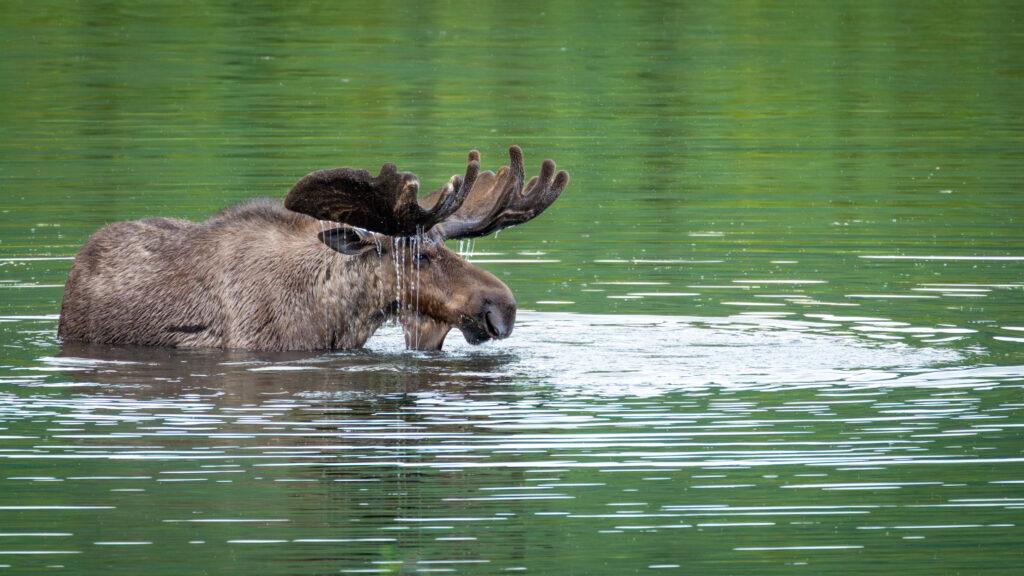
Moose are awkward in the best way. Long legs, heavy bodies, and strange proportions make them surprisingly difficult to photograph well. The most common mistake is shooting them broadside from too high and too close. The result often looks like a biology textbook illustration.
Moose demand clean compositions. Their bodies intersect with vegetation constantly, which creates visual chaos if you are not careful. Change your position until the legs separate from brush and the head clears the background. A few steps left or right can fix an otherwise unusable frame.
Eye contact is critical. A moose with its head down feeding feels static. A moose lifting its head and locking eyes with the camera suddenly feels alert and imposing. Wait for that moment. It will come if you are patient.
Lighting plays a big role here. Moose are dark animals often photographed in dark environments. Early and late light adds separation and shape. Midday light tends to swallow detail and wreck exposure. If conditions are dull, look for contrast between the animal and its surroundings rather than forcing a portrait.
Lens choice should lean longer. Moose photograph better with compression. A short telephoto or longer keeps proportions honest and reduces background clutter. Wide lenses only work if you are intentionally showing scale with environment and have the space to frame cleanly.
My approach: Find a clean lane through the vegetation. Wait for the head to lift. Shoot sparingly. Moose give you time if you give them respect.
Orca (Controlled Chaos)
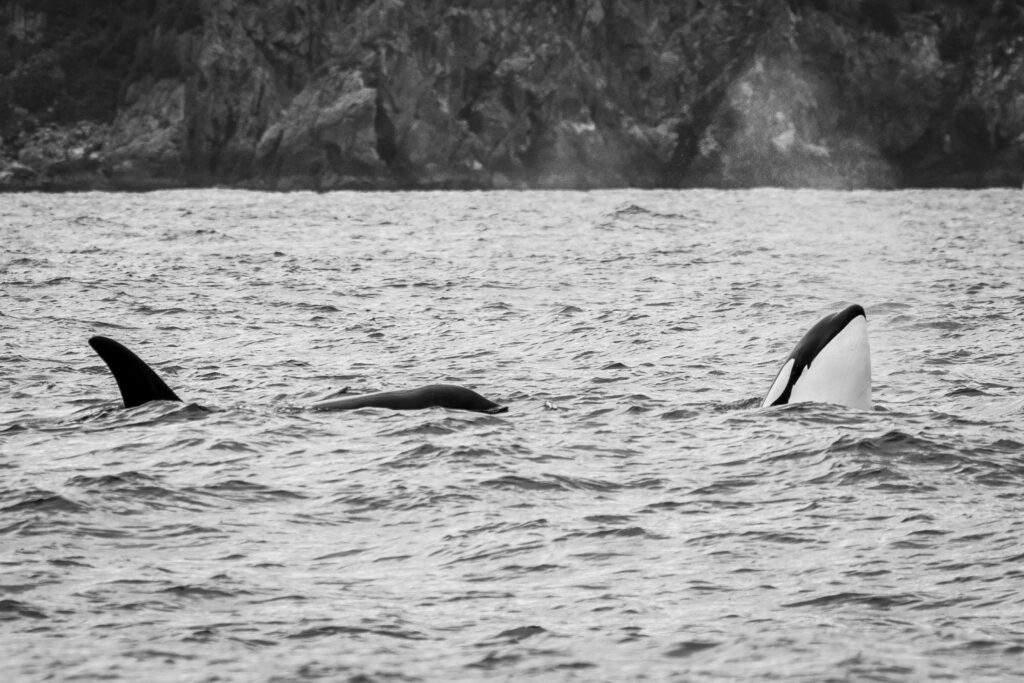
Orcas are the wildcard of the Alaska Big Five. Fast, unpredictable, and often far away. The challenge is not just photographing them but being ready when they appear. The biggest mistake is reacting too late. Orca encounters are brief and dynamic. You need your camera set before the first dorsal fin breaks the surface. Shutter speed should already be high. Autofocus should already be dialed. There is no time to adjust once the action starts.
Composition starts with water. Choose a patch of clean ocean or aligned wave patterns and wait for the whales to surface into that space. Chasing dorsal fins across the frame leads to messy edges and clipped subjects.
Light is everything on black and white animals. Overcast skies are ideal. Direct sun creates extreme contrast that is hard to manage. Watch reflections on wet skin and expose carefully to hold detail in both blacks and whites.
Lens choice is a balance. Too short and the whales feel distant. Too long and you miss breaches or surface behavior that happens closer than expected. A flexible telephoto zoom is the workhorse here.
My approach: Stay ready. Pre set exposure. Pick a background. Zoom out more than you want to avoid clipping. Shoot short bursts when behavior happens and then reassess. Orcas reward preparation, not panic.
Caribou (The Headgear is the Hero)
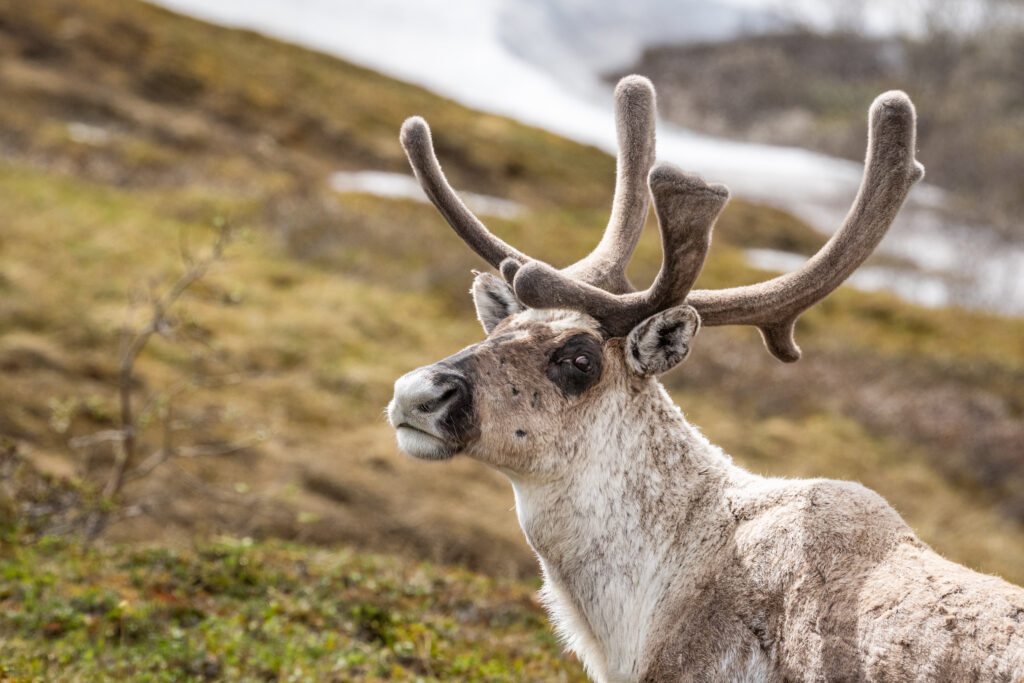
Caribou are often photographed as part of a sweeping tundra scene, but do not overlook the power of a tight portrait. Their antlers are among the most intricate in North America. Velvet texture, asymmetrical tines, sweeping curves. A well composed head and shoulders frame can be just as compelling as a wide migration shot.
The mistake most photographers make is treating antlers as an accessory instead of the subject. Antlers define the animal’s presence. Your job is to separate them cleanly from the background. Watch the horizon line. Avoid having tines intersect with hills, brush, or bright patches of snow. A small shift in position can turn visual clutter into clean negative space that lets the rack stand on its own.
Eye contact elevates everything. A caribou looking past you feels observational. A caribou looking into the lens feels aware. Wait for the head to turn slightly so both eyes are visible and the antlers frame the face evenly. Symmetry is powerful here, but so is a subtle angle that shows depth in the rack.
Light plays beautifully across velvet antlers. Soft overcast conditions preserve texture and avoid harsh highlights. Side light adds dimension and reveals the thickness and contour of each tine. Pay attention to shadow falling across the eyes. Dark eyes under heavy antlers can disappear quickly if you do not expose carefully.
Lens choice should lean toward a mid to long telephoto that allows you to isolate the head and upper body without distortion. Compression helps the antlers feel substantial and keeps background distractions subdued.
My approach: Find clean space behind the rack. Wait for the head lift. Prioritize sharp eyes and antler detail. Let the portrait carry the weight of the image.
Wolves (All You Need is a Lot of Luck)
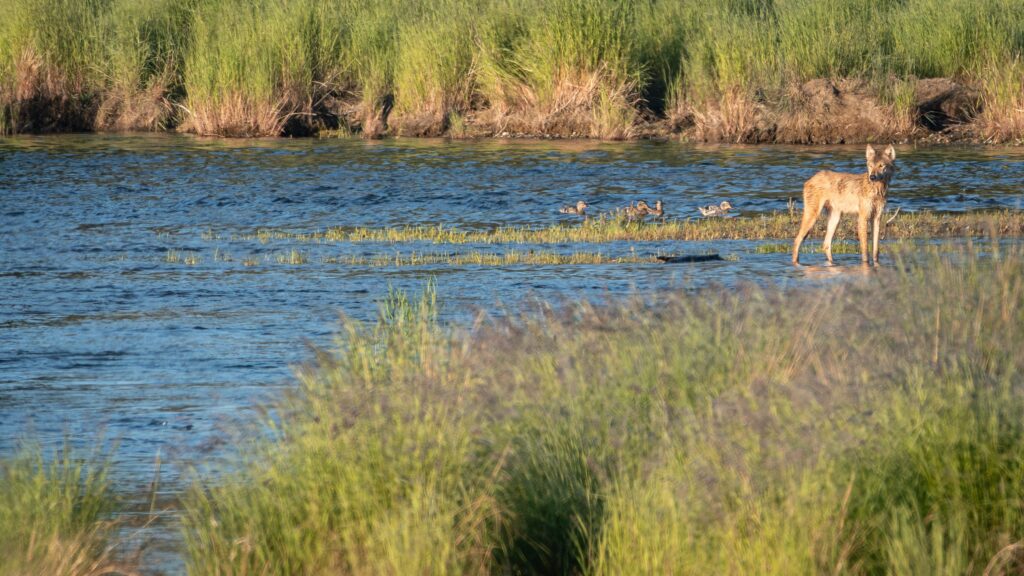
Wolves are the hardest of the Big Five. Full stop. Sightings are rare. Opportunities are brief. Photographs require equal parts skill, luck, and restraint. The biggest mistake is expecting a wolf to behave like a bear or moose. Wolves do not linger. They move with purpose and disappear just as quickly. Your job is to be ready without chasing.
Composition is often dictated by distance. Accept it. A small wolf in an interesting landscape can be more compelling than a tight crop that lacks context. Do not force intimacy that the situation does not allow. Behavior cues are subtle. Head position, gait, and direction matter. A wolf moving toward you is a gift. One moving away still tells a story if framed well.
Light is usually limited. Wolves are often active in low light. Embrace high ISO and prioritize shutter speed to keep images sharp. Grain is better than blur.
Lens choice should maximize reach without sacrificing mobility. You need to move quickly and react without fumbling.
My approach: Stay observant. Keep the camera ready. Take the shot you get, not the one you wanted. Wolves owe you nothing.
In Conclusion
Alaska does not hand photographers easy wins. It demands patience, flexibility, and a tolerance for uncertainty. The animals are wild in the truest sense of the word and they operate on their own terms. That is exactly what makes the photographs meaningful.
This is where the Ultimate Alaska Photo Expedition makes a real difference. Time is built into the itinerary. Time for weather to shift. Time for bears to settle into patterns. Time for orcas to surface more than once. Smaller groups and experienced leaders mean you are not rushing from sighting to sighting, hoping one frame works. That margin matters. It allows moments to develop instead of forcing them. It turns fleeting encounters into opportunities for deliberate photography.
The Alaska Big Five are not a checklist. They are a way of thinking. A reminder to prioritize behavior over proximity and intention over luck. Treat these animals with respect, plan carefully, and accept that some days will give you nothing. Alaska rewards photographers who are willing to put the work in.
Happy Photographing,

Leave a reply