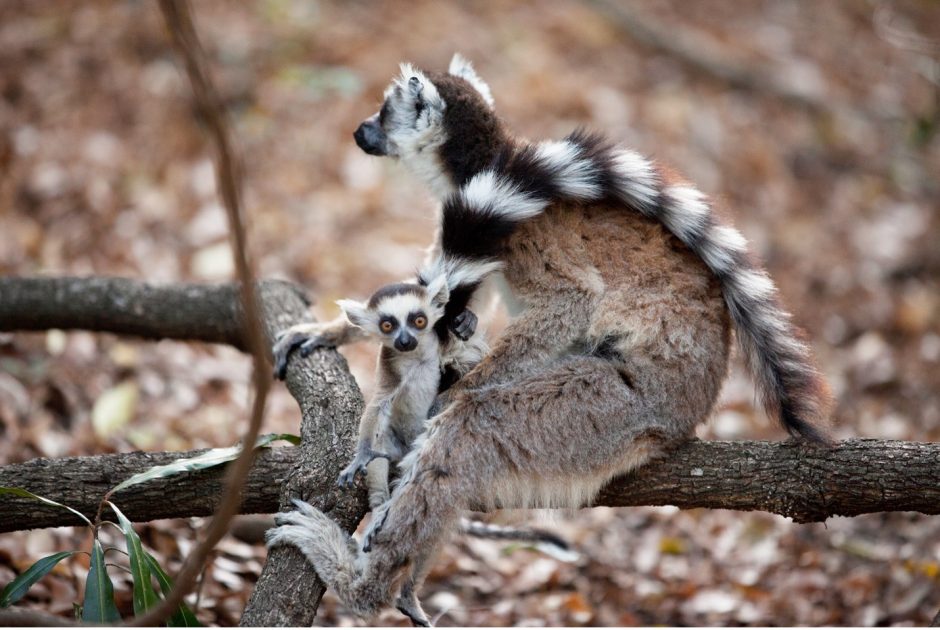
What’s in my Camera Bag – Madagascar
If you are seeking real-deal wild, in one of the most photographable ways, Madagascar has to be on your travel list. This biodiversity hotspot is home to over 200,000 species of plants and animals, most of which are found nowhere else in the world. And with most animals having evolved without major predators, their indifference to humans and photographers makes this one of the most photogenic places on the planet.
If you’re headed on a Madagascar photo trip, you’ll want to bring the right gear. You have options, but ensuring you have a complete kit for this wonderland is a must.
Please note, photographic styles vary, as do conditions on the ground. While this is meant to be a guide for choosing your camera gear, you should consider your own photographic interests first and foremost.
Ultra-wide angle
I put ultra-wide lenses in the “nice-to-have, not must-have” bucket… but when you do have one, it can deliver those next-level shots you simply can’t get any other way.
If you already own a favorite ultra-wide—something like a 10–22mm (crop sensor) or 14–24mm or 16–35mm (full frame)—Madagascar is a great place to bring it along. You’ll use it most for big landscapes, dramatic skies, and travel scenes, especially in wide-open areas.
And every now and then, if you’re working with a calm, cooperative subject (a rare and magical thing), you might even pull off a fun ultra-wide wildlife portrait. This allows you to get the animal up close, filling a good bit of the frame, but also allow the colors and textures of the wild background to ring through as well.
Wide-angle zoom
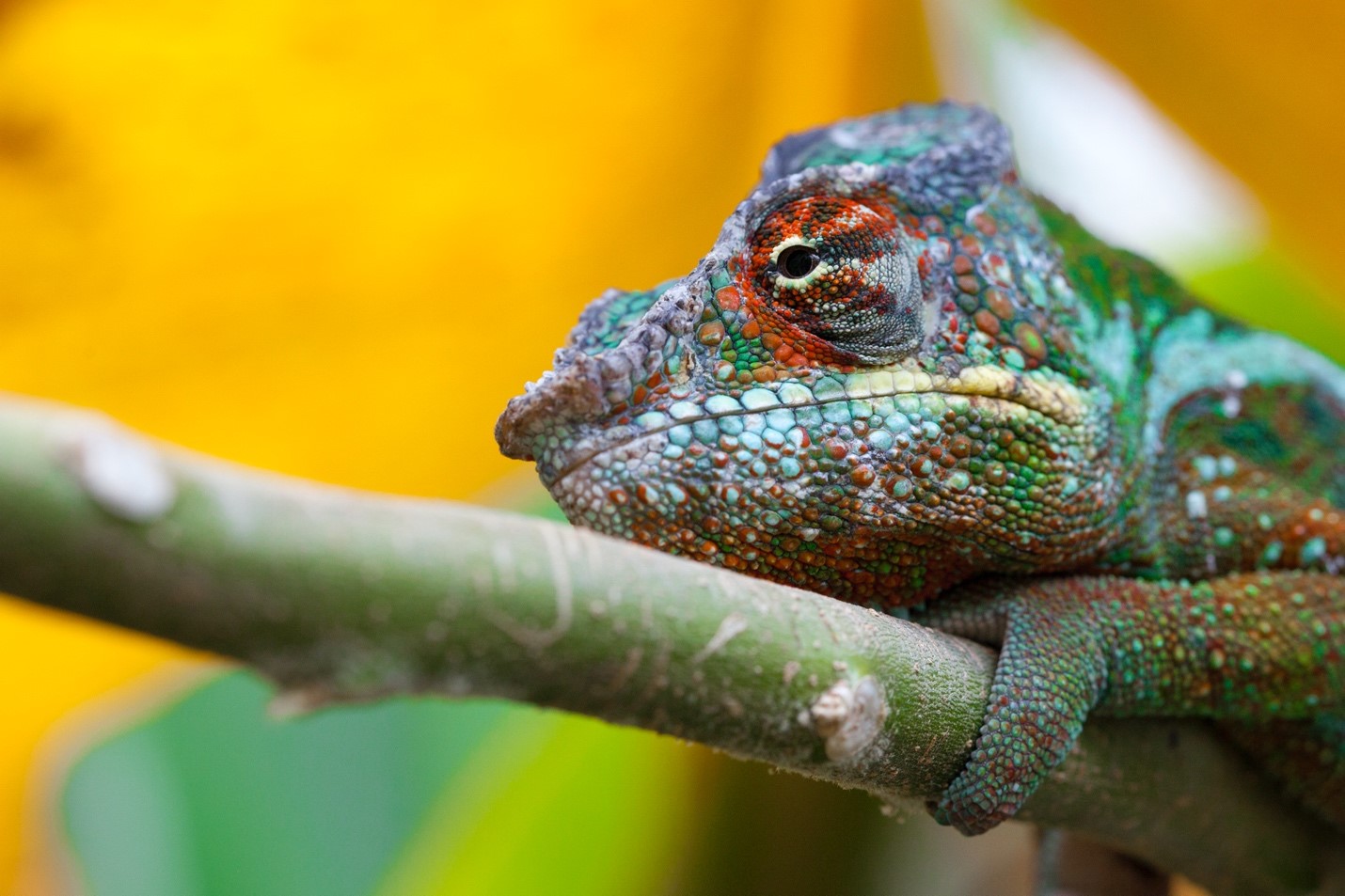
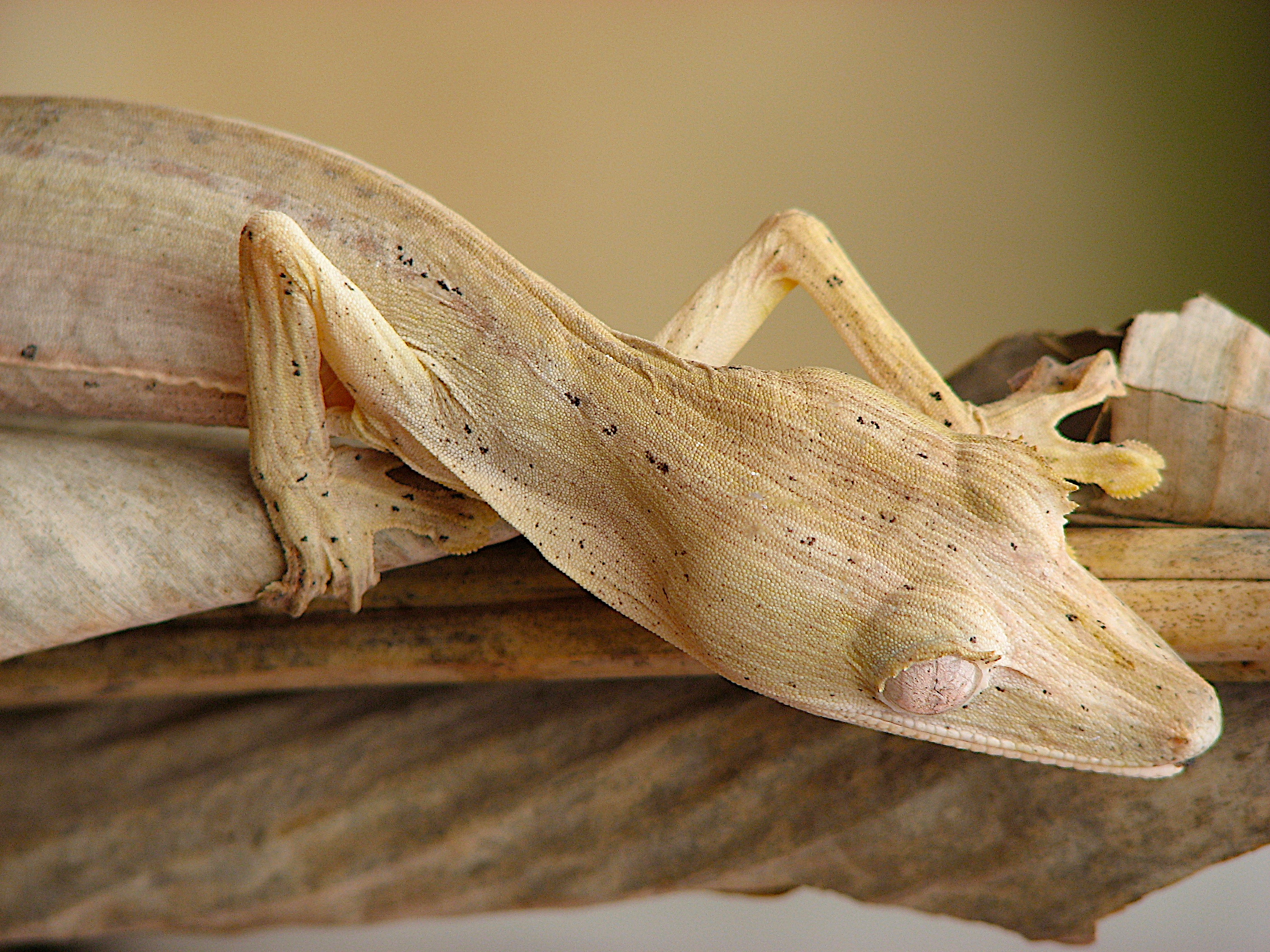
This is your go-to for landscapes, as well as walking around lodges, exploring villages, hiking trails, and even as a macro lens when close to things like leaf-tailed geckos and insects in Madagascar. You can read about my ‘macro technique with a wide-angle lens‘ here.
For full frame, we’re talking 24–70mm or 24–105mm. For crop sensor, think 18–55mm (or similar). These are the lenses that often come bundled in camera kits… and for good reason: they’re wildly useful and something you just shouldn’t go anywhere without.
On a Madagascar photo adventure, this lens also handles the bulk of your storytelling: landscapes, group scenes, guides in action, sunsets, and environmental portraits. This one is a must in my opinion.
Zoom telephoto
This class of lenses is the backbone of your kit.
The only tricky part? Picking which one. Do you go for something like a 100–400mm, with big reach but a more modest aperture (often around f/4.5–5.6)? Or do you bring the classic 70–200mm f/2.8, which has that beautiful bright aperture and dreamy background blur?
Here’s the slightly-heavier-to-pack truth: the best answer is both. The 70–200mm f/2.8 shines when your subject is closer and/or the light is low. That extra aperture, getting down to f/2.8 gives you faster shutter speeds and beautiful background blur that can be oh-so-essential in forest environments. The 100–400mm (or any lens that reaches 300–400mm, maybe even more) becomes essential when the lemurs are far away or up high in the trees. Being able to zero in on your subject can also help minimize backlighting, which can occur when you are photographing up, with the sky peering through the trees.
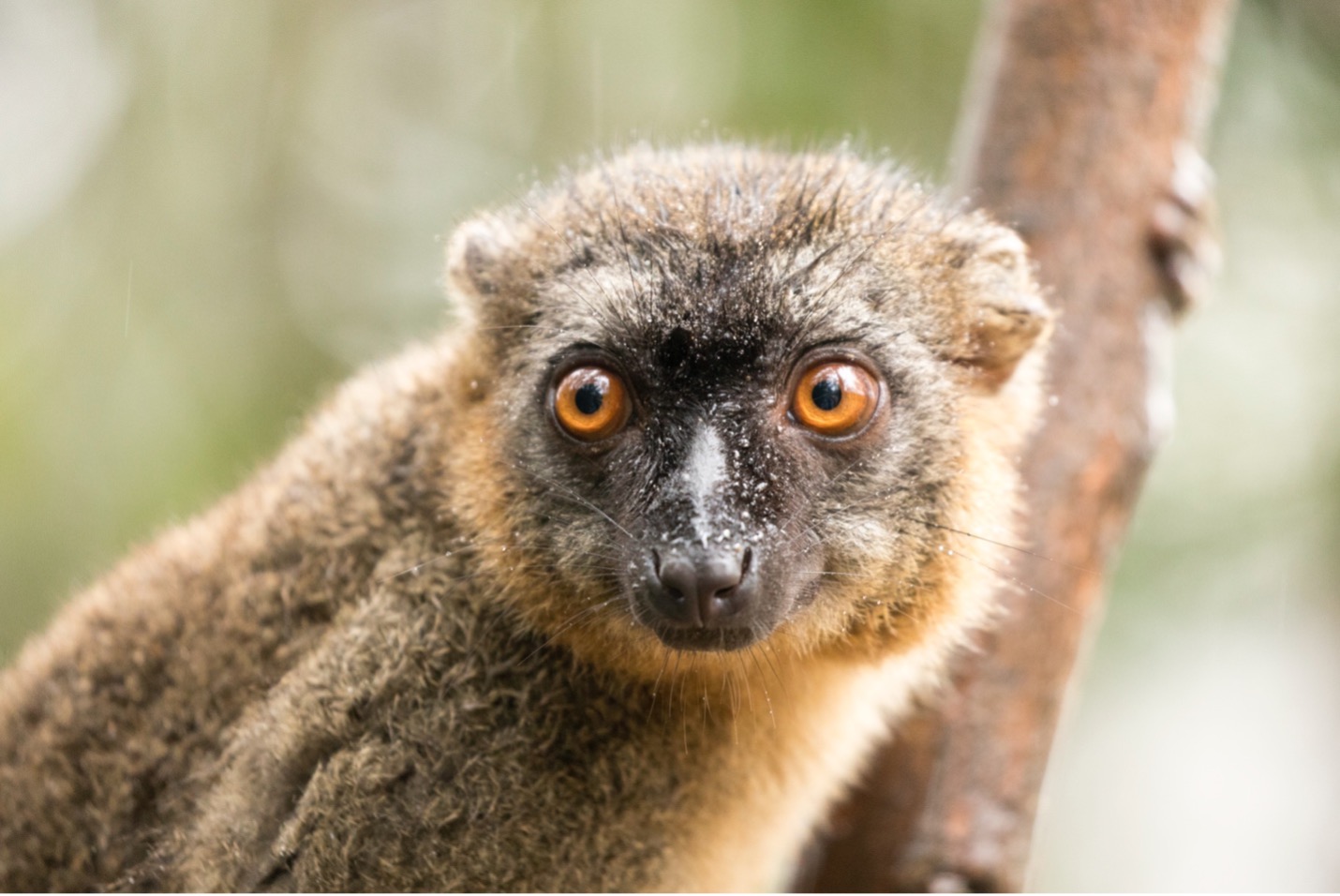
If you can only bring one telephoto, prioritize reach — something that gets you to at least 300mm, ideally 400mm. Madagascar’s rainforests and cloud forests can be dim, but modern cameras handle high ISO way better than they used to, and it’s usually a worthwhile trade to get the shot.
Bottom line: you need a telephoto zoom, and more versatility almost always wins here.
Super telephoto
When people say “super telephoto,” I immediately picture the big primes: 400mm f/2.8, 500mm f/4, 600mm f/4… the kind of glass that we all covet, but can make you feel like you’re carrying a small telescope into the forest.
These lenses can produce incredible images, but they come with trade-offs—they are heavier, larger, and have reduced flexibility. The moment you pack one, you’re usually sacrificing another lens (or two), and the overall kit becomes less adaptable.
They also tend to pair best with a tripod due to weight (it can be hard to hand-hold a 10 pound lens), which can be a pain on narrow trails or in dense vegetation.
So while super telephotos can be tempting, I’ll personally choose the more practical “telephoto zoom combo” for Madagascar every time. (Mainland Africa is a different conversation entirely.)
A note on tele-converters: these can be amazing, but I tend to reserve them for times that I have a prime lens. They sacrifice quality and light, so I avoid pairing them with a zoom lens, like a 100-400mm because of the degradation of sharpness, as well as the loss of light (e.g., a 400m f/5.6 becomes an 800mm f/11 when using a 2x extender–the reach is great, but f/11 is very limiting in Madagascar’s forests)
Macro lens
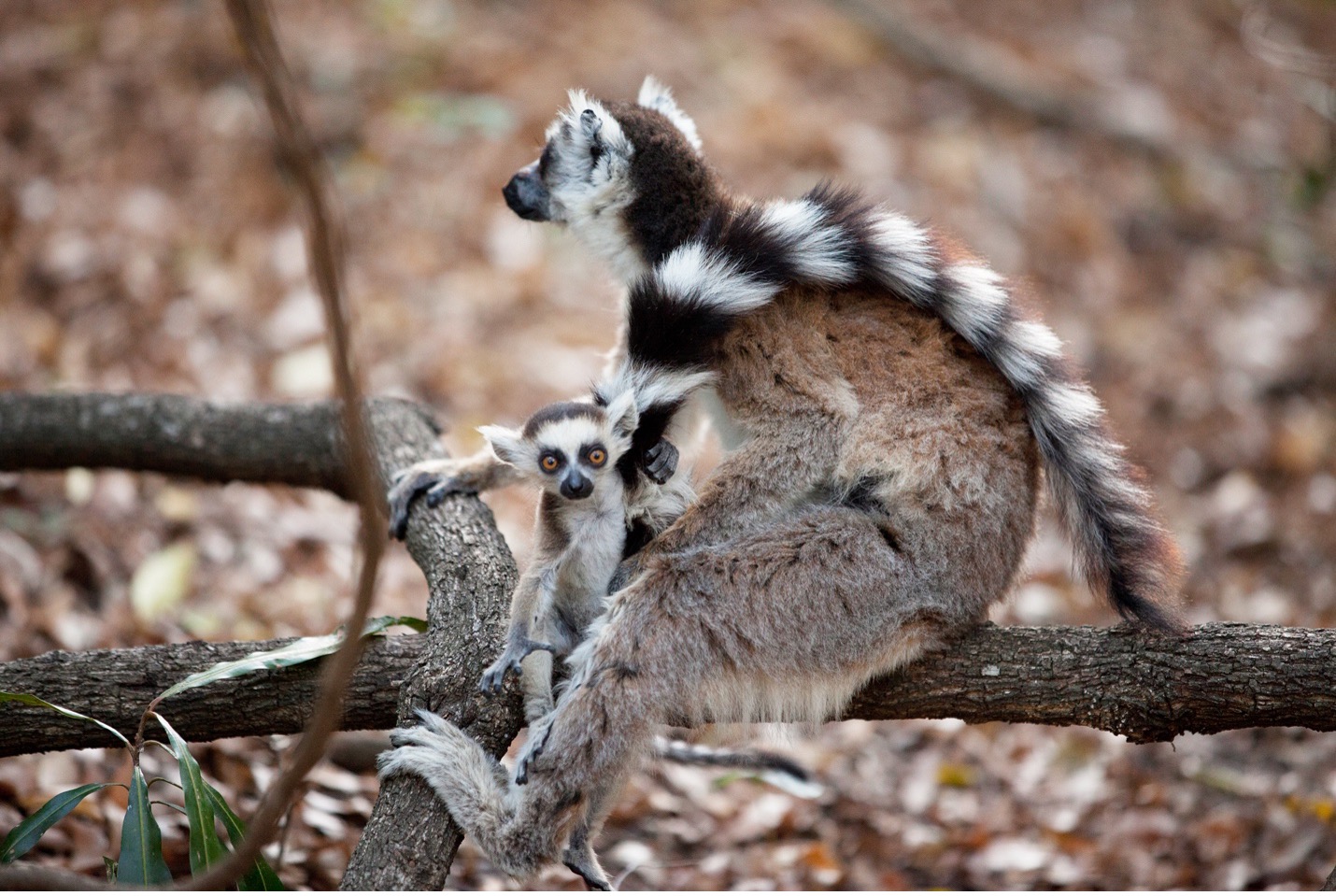
While many folks reading may not own a macro lens, this might be the time to consider renting or buying one. Madagascar is overflowing with small but mesmerizing feature, like insects, amphibians, ornate geckos and details that really lend themselves to getting close and filling the frame with small subjects.
But remember, if you don’t have a macro, or don’t want to bring one, you can still use your wide-angle zoom to get macro-like shots.
The only downside is space. A macro really relies on having a macro flash with it, and this takes up valuable real estate in your pack. But if you’re already making room for one “specialty” setup, this is one of the most rewarding choices you can make in Madagascar.
X-factor lenses
Madagascar doesn’t really have one perfect “x-factor” lens, because it’s the kind of place that rewards multiple kinds of creativity. If you’re not familiar with the term, an x-factor lens is basically any lens that isn’t strictly necessary… but could get you one of (or multiple) your favorite shots of the trip.
In other destinations, I might skip macro and pack something like a 50mm f/1.4 for street portraits or low-light storytelling. For this trip, I’m not leaving macro behind—and an ultra-wide can also be fantastic. They offer quite different benefits, but I do always try to bring one specialty lens on an epic photo adventure like this one–it’ll be a bit more to manage and pack, but it’s worth it!
Tripod
I’m the first to admit I’m not a “tripod everywhere” photographer. I’m in the camp of handheld unless absolutely necessary, and on this itinerary, a full-size tripod isn’t needed most of the time.
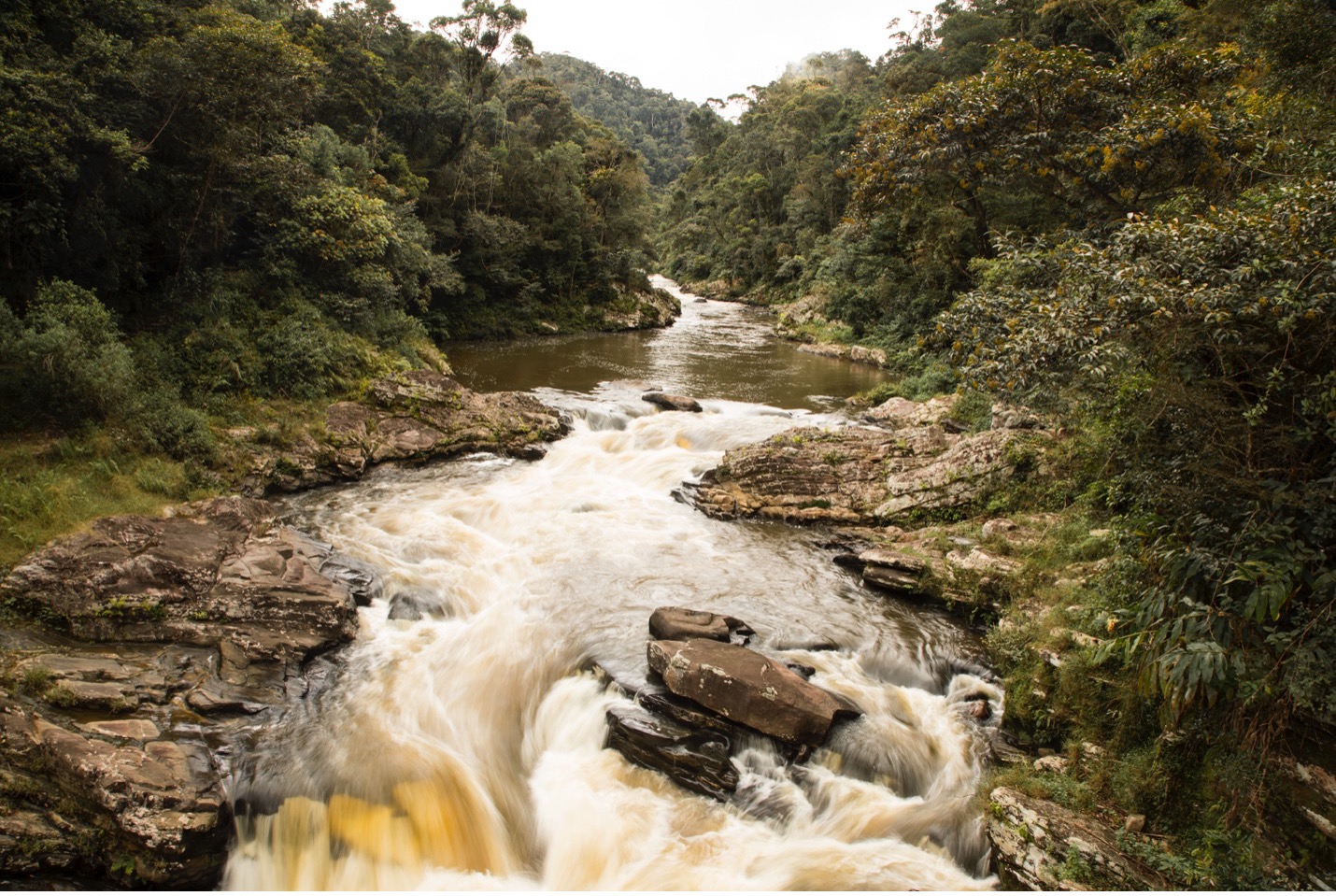
That said… this is a great trip for a small tripod. Think Gorillapod or a compact travel tripod that’s easy to deploy quickly. You may want it for a handful of situations like blurring water for that ‘silky’ effect, or night shots where the stars shine brilliantly (Isalo National Park is a wonderful dark sky and astrophotography destination on this trip)
Flashes
For lemurs and most wildlife flash is usually a no-no. It can spook animals quickly, and it tends to create a harsh, unnatural feel that doesn’t match the environment.
But for macro photography, a small flash can be a game-changer—especially in shady forests where you want crisp detail and controlled light. A compact flash or (even better) a macro flash can help you get those tack-sharp close-ups without cranking your ISO into the abyss.
Other accessories
Bring more memory cards than you think you need or plan to download your images and back them up throughout the trip. Madagascar is the kind of place where your shutter finger gets a workout, and running out of storage mid-trip is painful. Plan on shooting 500 to 1000 photos a day, and perhaps more if you are on rapid fire (i.e., a fast drive motor).
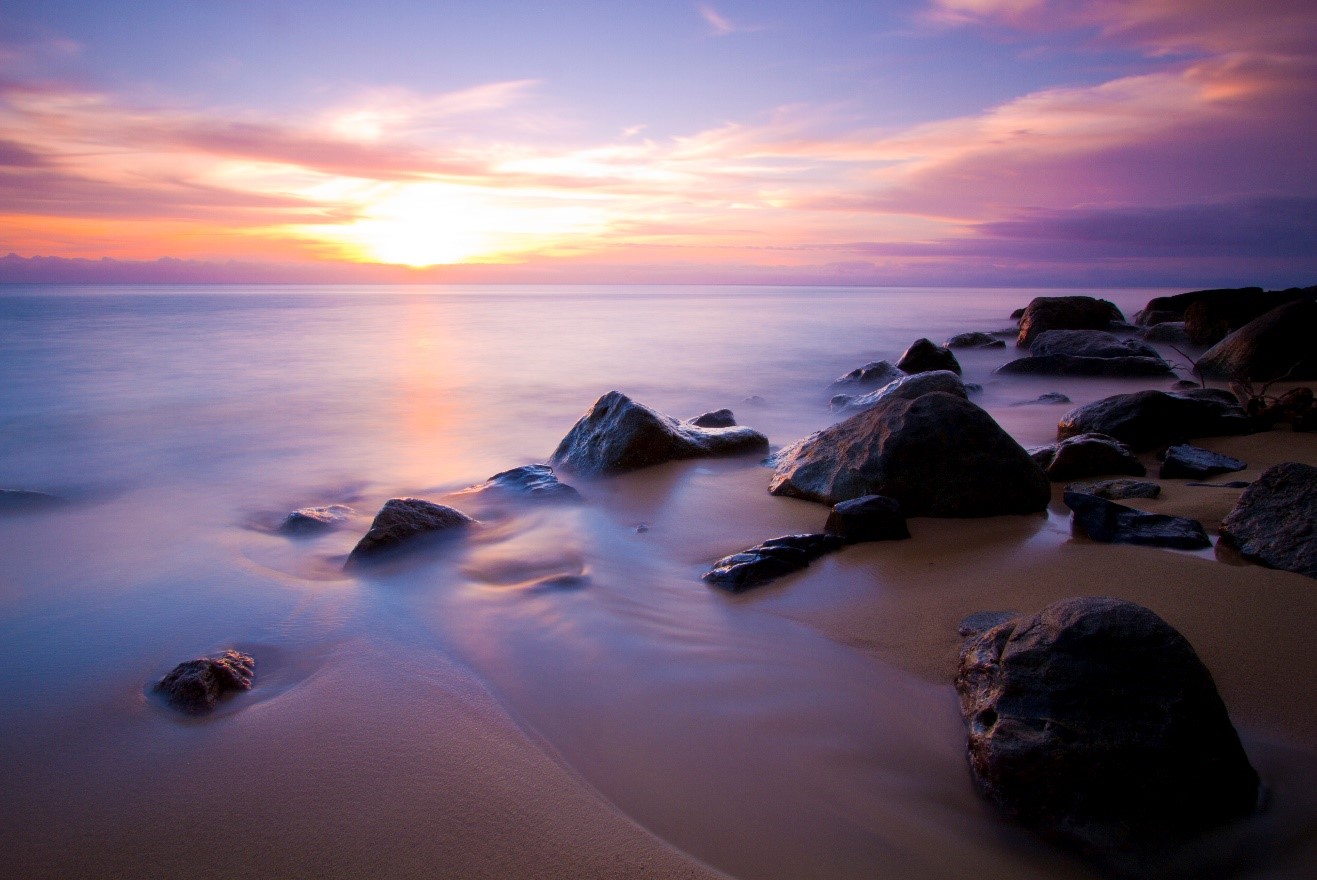
Beyond that, one accessory that can be fun and genuinely useful: a neutral density (ND) filter. You’ll likely have a few opportunities to shoot long exposures even during daylight—moving water, dramatic skies, and scenes where slowing things down creates a totally different mood.
Final thought
A Madagascar photo expedition will no doubt be the highlight of your wildlife photography career. Whether you are just beginning or a seasoned pro, it’s a wonderland. Between lemurs, landscapes, and the overall uniqueness (70% of everything in Madagascar is found no place else on earth), it’s a place that rewards every kind of photographer—whether you’re a wildlife specialist or someone who just loves visual storytelling.
If you’ve got questions about a specific camera body, lens lineup, or packing strategy, drop a comment and I’ll help you build the most efficient kit possible.
Cheers,
Court

Court

Leave a reply