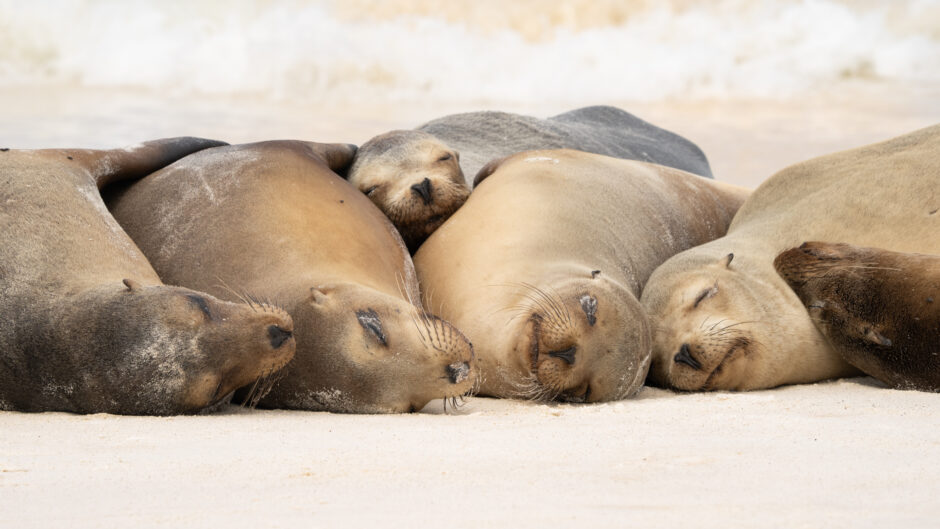
Pinniped Pics: Loud, Smelly, & Perfectly Photogenic
There is nothing graceful about a beach full of sea lions when you first arrive. It smells like low tide left out too long. The soundtrack is a mix of coughing barks, wheezing grunts, and the occasional full-throated scream that would terrify a NFL linebacker. Bodies are piled on top of each other with no regard for personal space, dignity, or aesthetics.
And yet, for a photographer, this chaos is absolute gold.
Sea lions and seals (known as pinnipeds) are honest subjects. They do not pose. They do not care that you are there. They fight, nap, nurse, scratch, yawn, and flop around like sacks of wet laundry. Spend enough time with them and you stop trying to make them pretty. Instead, you start trying to capture something more real.
That shift in mindset is where the best photographs come from.
I have photographed seals and sea lions across the globe, in places where the wind never seems to stop and the ground is either sand, lava rock, or something slick and unforgiving. These animals live on the edge of land and ocean, and they wear that edge on their faces. Every scar, whisker, and torn flipper tells a story.
You just have to slow down long enough to read it.
Groups: Capturing the Pinniped Pile-up
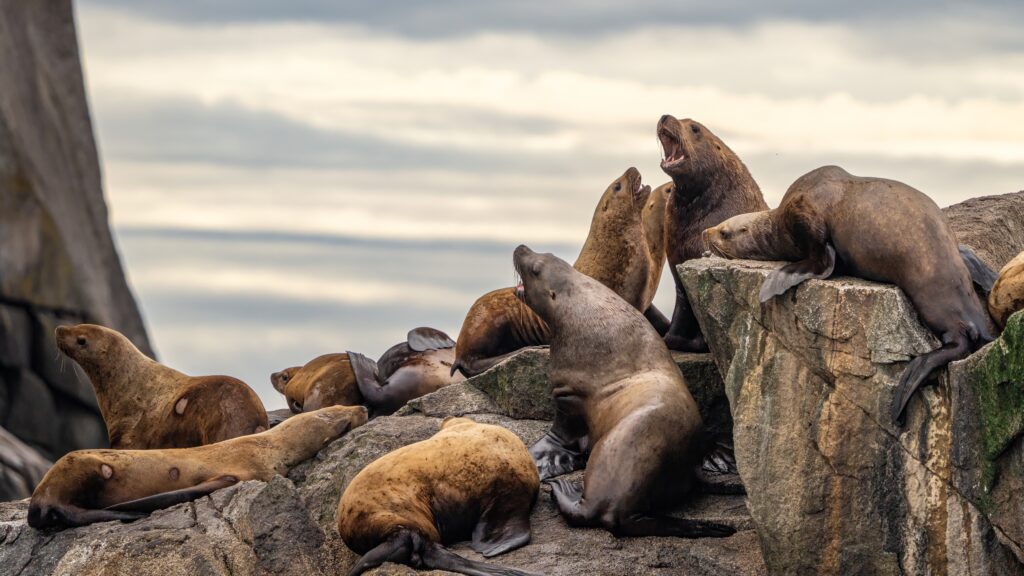
Most people point their camera at the loudest animal or the biggest bull and call it a day. That is fine, but it is surface level stuff. The better story is in the pile.
Pinniped colonies are messy, crowded, and constantly shifting. That is exactly why they work so well visually. You get repetition, compression, tension, and hierarchy all in one frame. Big bulls hold space without moving. Smaller animals flow around them like water around a rock. Pups climb, get shoved off, then climb back up again.
When I photograph groups, I stop trying to clean things up. Instead, I look for rhythm. Heads angled in the same direction. Flippers stacked like firewood. A single animal sitting upright while everyone else melts into the ground. That contrast is everything, adding an anchor to the chaos.
Steller Sea Lions are especially good for this. They are massive; the largest species of sea lion and rivaling brown bears in size and weight. Their colonies feel raw and unpolished, like nobody ever told them they were supposed to behave. Scarred, and unapologetic, Steller group scenes feel heavy and physical.
Water Is Part of the Recipe
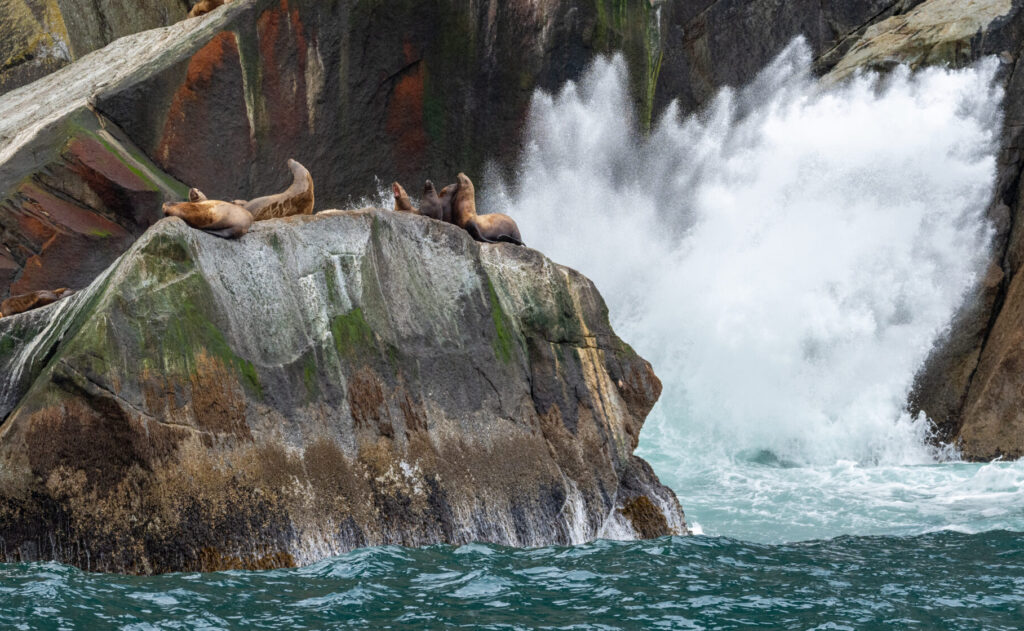
If there is water nearby and it is not doing anything in the frame, you are missing something.
Pinnipeds are defined by water. It shapes how they move, where they rest, and how they survive. Ignoring it is like photographing a chef and cropping out the kitchen. Waves, spray, and surge add tension. Calm, reflective water creates contrast. I pay attention to how water interacts with the animals rather than treating it as background noise.
Timing matters more than settings here. Waves come in sets. Spray hits the same rocks over and over. If I watch long enough, the chaos becomes predictable. That is when I start shooting. Freezing water with a fast shutter makes scenes feel sharp and aggressive. Letting it blur slightly introduces motion and mood. Neither is right or wrong. It depends on what the moment feels like.
On exposed coastlines in Alaska, water is a character all its own. In the Galapagos, it is often calmer but no less important. Either way, if the water is ignored, a sea lion image feels incomplete.
Animalscapes: Zoom out and show off their digs
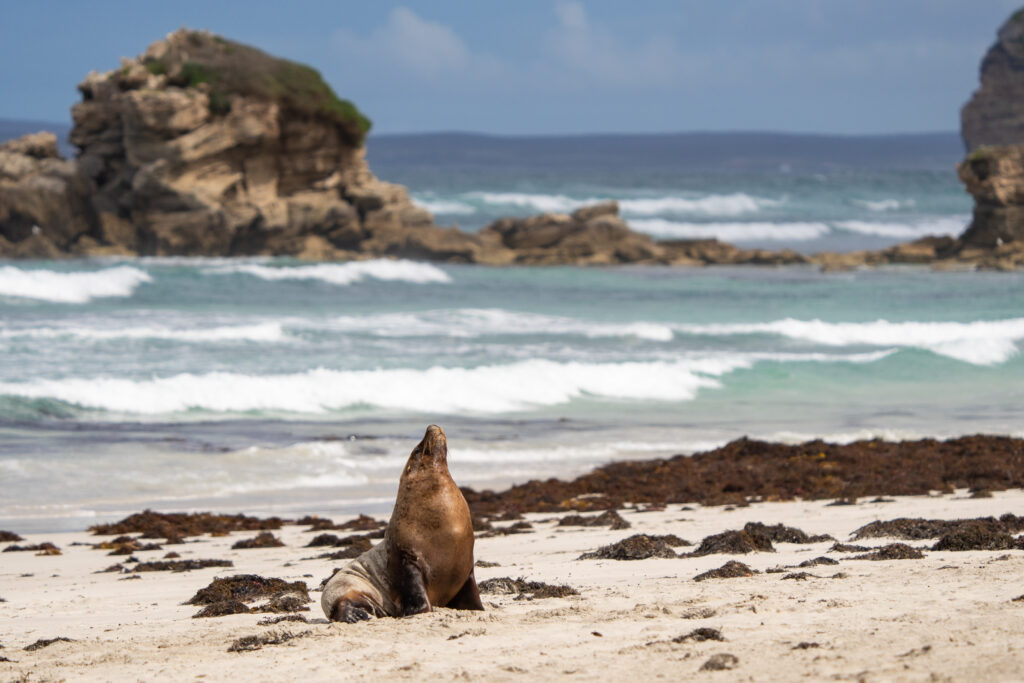
Not every photograph needs to scream wildlife.
Some of the most satisfying images I make of pinnipeds happen when they are small in the frame. A Harbor Seal tucked among broken ice. A Galapagos Fur Seal dwarfed by lava rock. A single Australian Sea Lion holding a beach while the ocean rolls in behind it.
These are animalscapes. They work because they show context, not just subject.
Pulling back takes discipline. The instinct is always to zoom in, especially when you have access. But, when I give the animal space within the frame, the environment does more of the storytelling for me. Wide and mid-range lenses are ideal here. Composition becomes critical. Horizons need to be level. Foregrounds need intention. Nothing accidental should survive your wide frame.
These images are less about the moment and more about the place. That matters when the goal is to create work that tells the full story of these species.
Portraits: No Fluff, Just Character
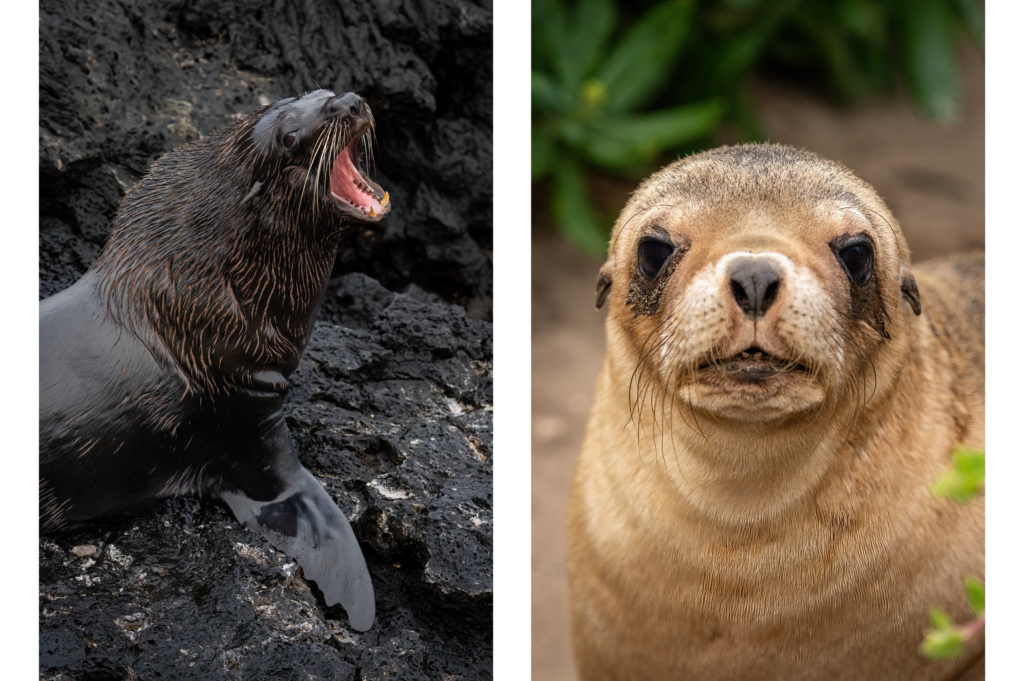
Pinniped portraits are about texture and expression. Heavy whiskers. Scarred faces. Wet fur catching soft light. There is no reason to overthink it.
Eye level changes everything. The moment I drop down, the image stops feeling like documentation and starts feeling like an interaction. The animal becomes a presence, not a specimen. Depth of field should support the face, not distract from it. Enough blur to isolate, enough detail to keep whiskers sharp. Focus placement matters. Miss the eye and the image falls apart.
Overcast light is ideal. Harsh sun flattens texture and kills mood. Soft light reveals every detail without being precious about it.
Galapagos Fur Seals are particularly good portrait subjects. Dark eyes, thick fur, and an almost brooding demeanor make them feel ancient and watchful. Australia Sea Lions bring something quieter and more introspective to the frame.
Moms and Pups: Earn the Moment
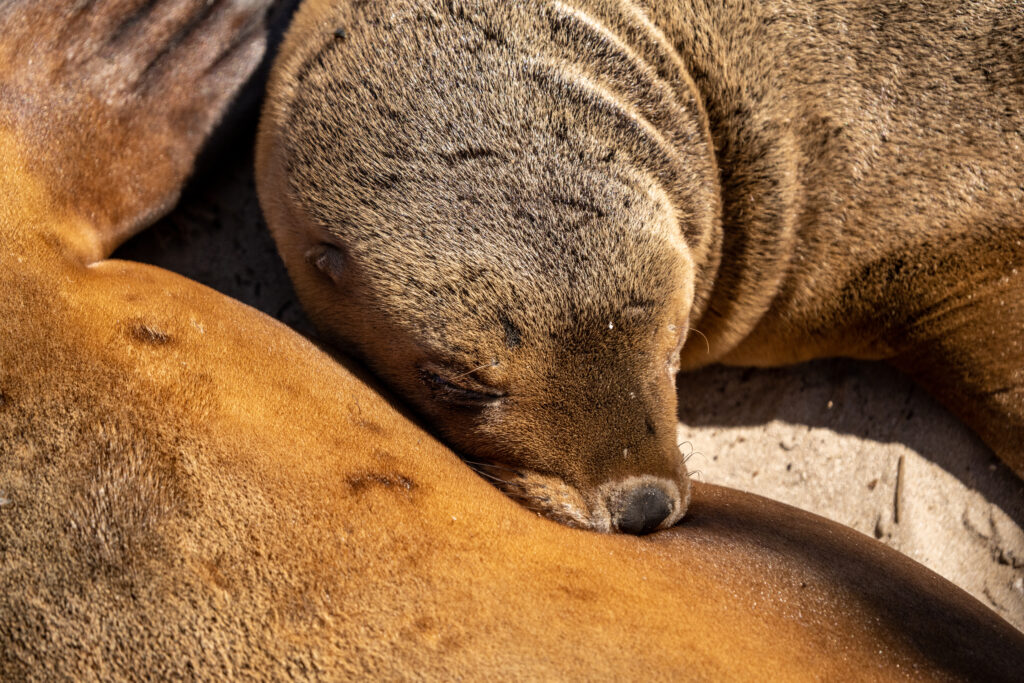
This is where patience pays off.
Mothers and pups are not about action. They are about trust, boundaries, and repetition. Nursing, vocal exchanges, gentle corrections, and moments of calm all happen on their own schedule.
The best thing I can do is stay still and stay out of the way. Composition should be simple. Clean backgrounds matter more here. Separation between bodies helps define the relationship. Slight angles reveal interaction better than straight-on views. These images resonate because they are universal. You do not need to explain them. They land on their own.
The Galapagos and southern Australia offer exceptional opportunities for this kind of work. Pups are expressive, curious, and often right at eye level. It feels intimate without being intrusive.
Photographing From a Boat: Control What You Can
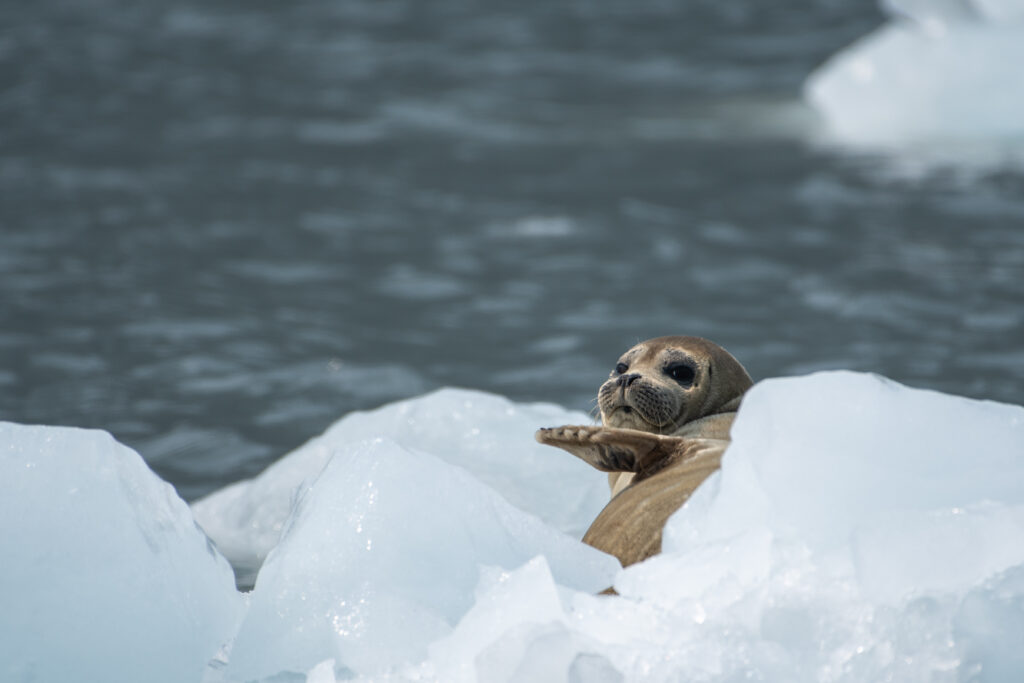
Boat photography is humbling. You are not in charge. The water decides how steady you are. The animals decide how close they get. Complaining does not help.
Fast shutter speeds are mandatory. The boat moves even when it feels still. Center positions reduce motion. Bracing against rails helps more than people admit. Versatile zoom lenses are critical. Distance changes quickly. Miss the moment while swapping lenses and it is gone.
Background awareness matters. Shorelines, ice, and waterlines shift constantly. Anticipating drift helps keep frames clean.
Alaska is where these skills get tested. Harbor Seals do not wait for perfect conditions. When it works, it really works. When it does not, you learn quickly.
Where to go for Perfect Pinnipeds
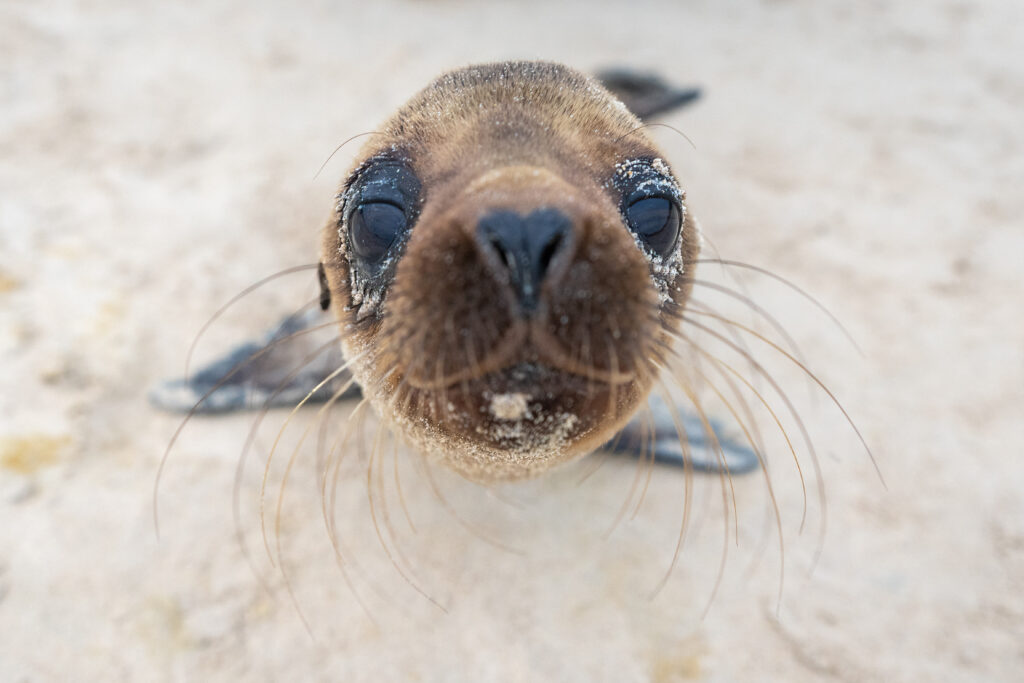
Photographing pinnipeds is not about perfection. It is about observation, restraint, and learning to work with what is in front of you instead of what you wish was there.
The Southern Australia and Tasmania Photo Expedition gives time and space with Australian Sea Lions on Kangaroo Island, in a setting that rewards patience and curiosity. The Galapagos Wildlife Photo Expedition puts photographers on foot with sea lions and fur seals in stark, unforgettable landscapes. The Ultimate Alaska Photo Expedition throws you into raw coastal conditions with massive animals and no guarantees.
Each trip strips away shortcuts, but that is a good thing.
Because somewhere between the smell, the noise, and the waiting, the photographs stop being about getting the shot and start being about understanding the subject. That is when the work gets interesting.
Happy Photographing,

Leave a reply