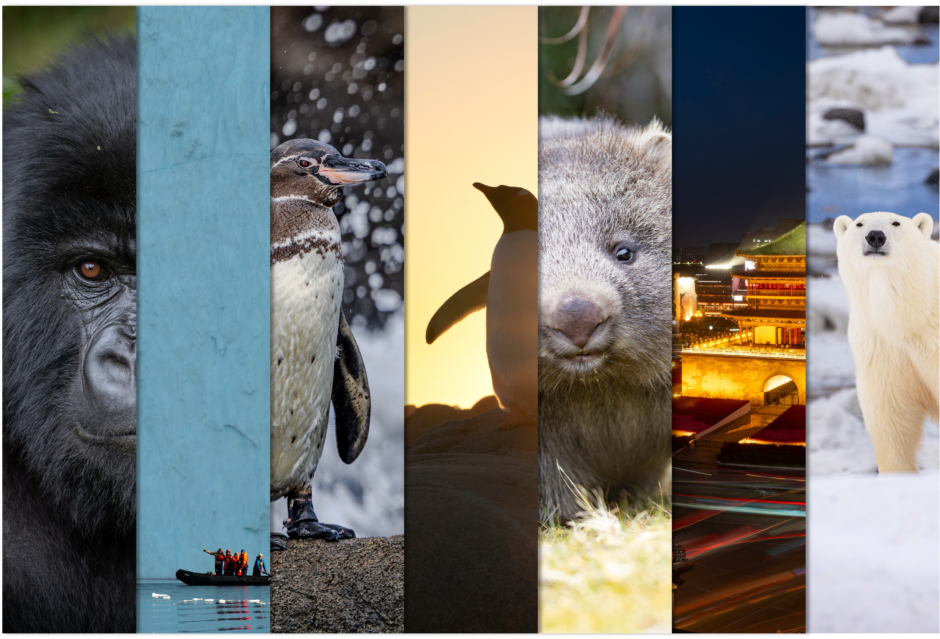
My Favorite Photo Leader Images of 2025
As the Photo Expeditions Director for Natural Habitat Adventures, an absurd number of photos cross my desk every year. Thousands of frames from every corner of the planet from guests and guides alike. Some are technically excellent. Some are emotionally resonate. A smaller number manage to do both at once. Those are the images that stop me mid-scroll and make me lean back in my chair.
This post is a look at a handful of those moments from 2025. These are images created by our Photo Expedition Leaders, one from each continent. (Yes, continent counts are subjective depending on where you grew up and how your geography teacher felt that year, but we are going with seven.) More importantly, these photos reflect something bigger than a single strong frame. They show how our leaders see the world, how they teach, and how they help guests use their own creative vision to make meaningful photographs.
Each image below comes with a short caption, a brief introduction to the photo expedition leader behind it, and a breakdown of why the photograph works. Not as a checklist, but as a way of understanding how intention, timing, and awareness come together in the field.
Africa
Location: Bwindi Impenetrable Forest, Uganda
Nat Hab Trip: Ultimate Gorilla Photo Expedition
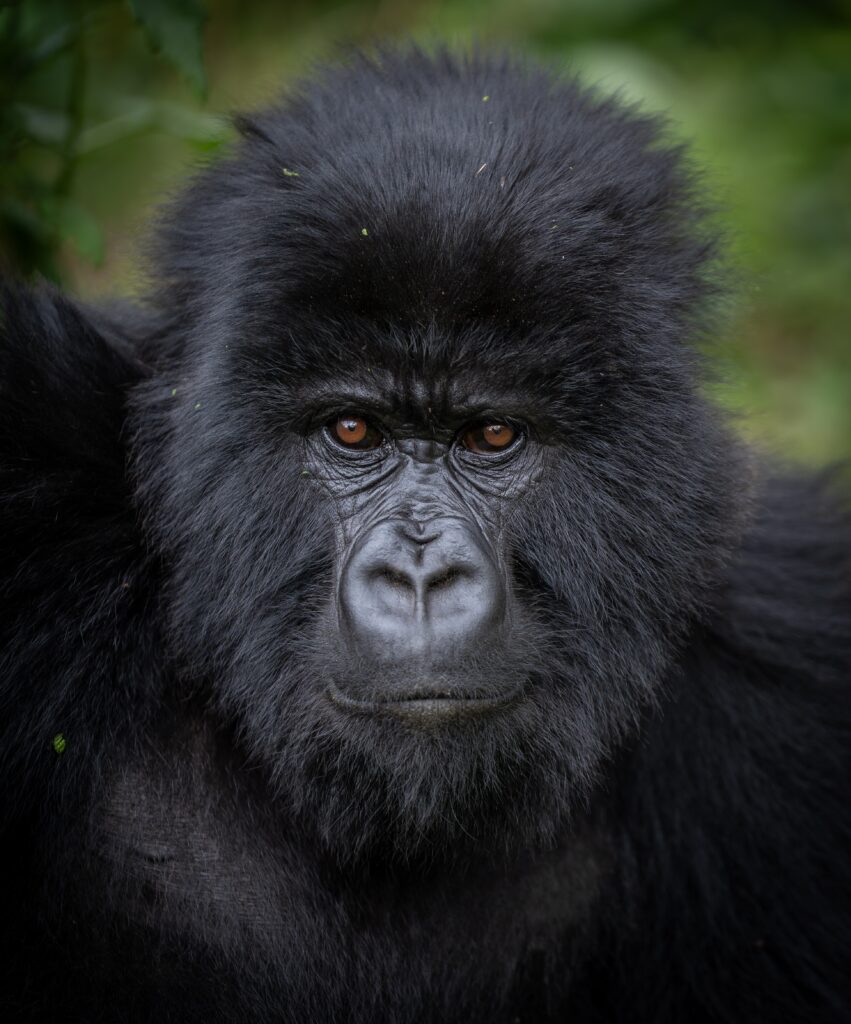
A mountain gorilla meets the camera’s gaze, low forest light shaping texture rather than flattening it.
Photographer: Matt Meyer grew up immersed in wildlife at his family’s South African game reserve, later earning a degree in ecological sciences and spending nearly a decade guiding and leading photographic safaris at MalaMala Game Reserve. Now guiding across multiple continents, he brings deep ecological knowledge, conservation advocacy and a strong photographic eye to interpreting animal behavior and helping travelers experience the wild as home.
Why I love the photo:
Forest photography is hard. Dense vegetation, low light, and limited shooting angles leave little room for error. This image succeeds because the exposure is precise and the focus is exactly where it needs to be.
What really elevates it, though, is the expression. There is a subtle intelligence and calm in the eyes that feels almost conversational. Achieving that requires more than technical skill. It requires composure in the moment and trust in your settings so you can pay attention to what the subject is giving you. This is a perfect example of why preparation matters before you ever step into the forest.
Antarctica
Location: Antarctic Peninsula
Nat Hab Trip: Sailing Antarctica: A Polar Wildlife Expedition
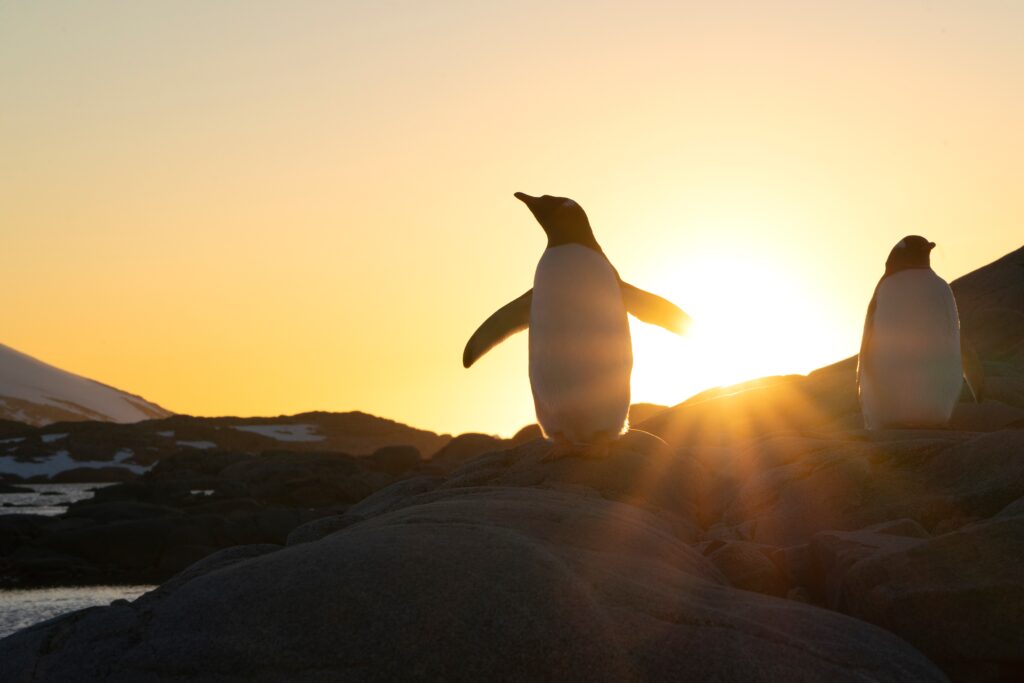
A gentoo penguin lifts its wings into the sun, low and warm, cutting through an otherwise monochrome landscape.
Photographer: Colby Brokvist has led Nat Hab expeditions since 2006, specializing in polar regions as a Senior Polar Guide and serving as chair of the Polar Tourism Guides Association, with a parallel commitment to climate-conscious travel through his work with Tomorrow’s Air. A certified National Geographic Photography Instructor, he uses photography and storytelling to help travelers connect with wild places while keeping the experience immersive rather than camera-driven.
Why I love the photo:
Antarctica is often photographed as a study in blues and whites, and for good reason. This image breaks from that expectation without feeling forced. The warmth of the low sun introduces color, but more importantly, it introduces contrast in mood.
The success of this frame comes down to timing and positioning rather than luck. Backlighting wildlife requires careful exposure choices, especially in high reflectance environments like snow and ice. The highlights are controlled, the silhouette is clean, a subtle sunburst is captured, and the gesture of the penguin adds just enough energy to elevate the scene. This is a reminder that light can completely change the story if you are paying attention.
Asia
Location: Xi’an, China
Nat Hab Trip: Wild China Photo Expedition
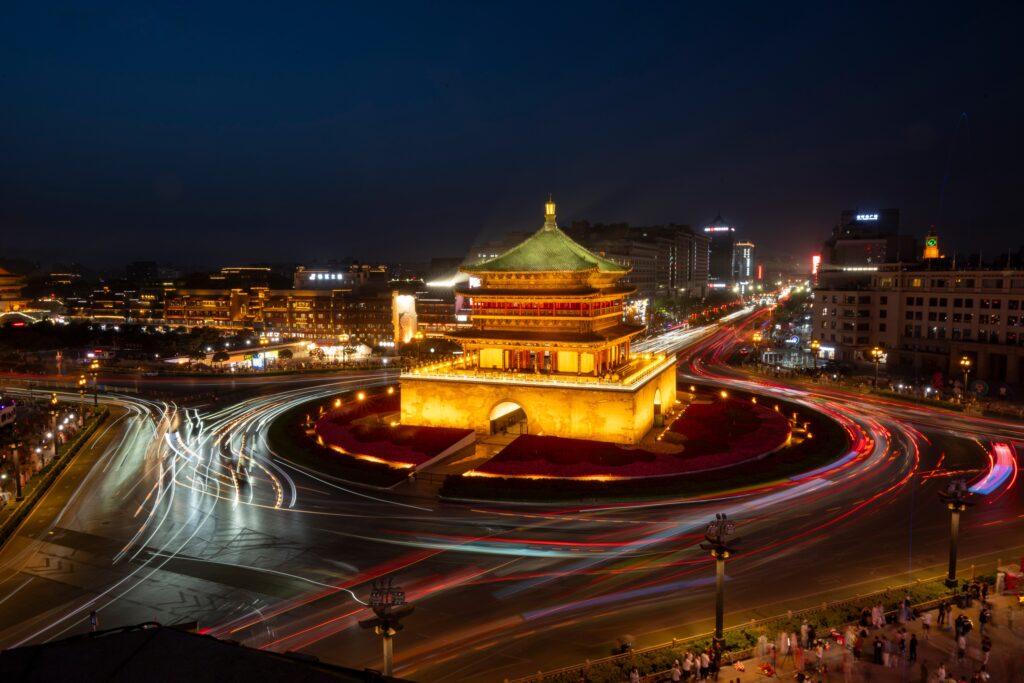
The Bell Tower of Xi’an glows against the evening sky as modern traffic traces lines of light below, a layered moment where shutter speed becomes a storytelling tool rather than a technical exercise.
Photographer: Edward Savage built a career in nature-based travel after discovering outdoor education and coastal adventure tourism, going on to lead wildlife expeditions by land and sea since 2008, including long-term grizzly bear guiding in the Great Bear Rainforest in British Columbia. He pairs deep naturalist knowledge with extensive photography experience to help travelers document and understand wild places from the Arctic to temperate rainforest.
Why I love the photo:
Night photography often leans heavily on novelty. Neon, long exposures, bright colors, rinse and repeat. What makes this image stand out is restraint. The shutter speed is slow enough to show motion, but not so slow that the scene dissolves into abstraction. The color balance respects the warmth of the historic structure without letting the surrounding city overpower it.
There is also a quiet compositional decision here that matters. The space around the tower gives the modern elements room to exist without competing. This is a good reminder that technique should serve context. Long exposures are not about blur for blur’s sake. They are about deciding what movement adds to the story and what distracts from it.
Europe
Location: East Greenland
Nat Hab Trip: Iceland & Greenland: A Nordic Discovery
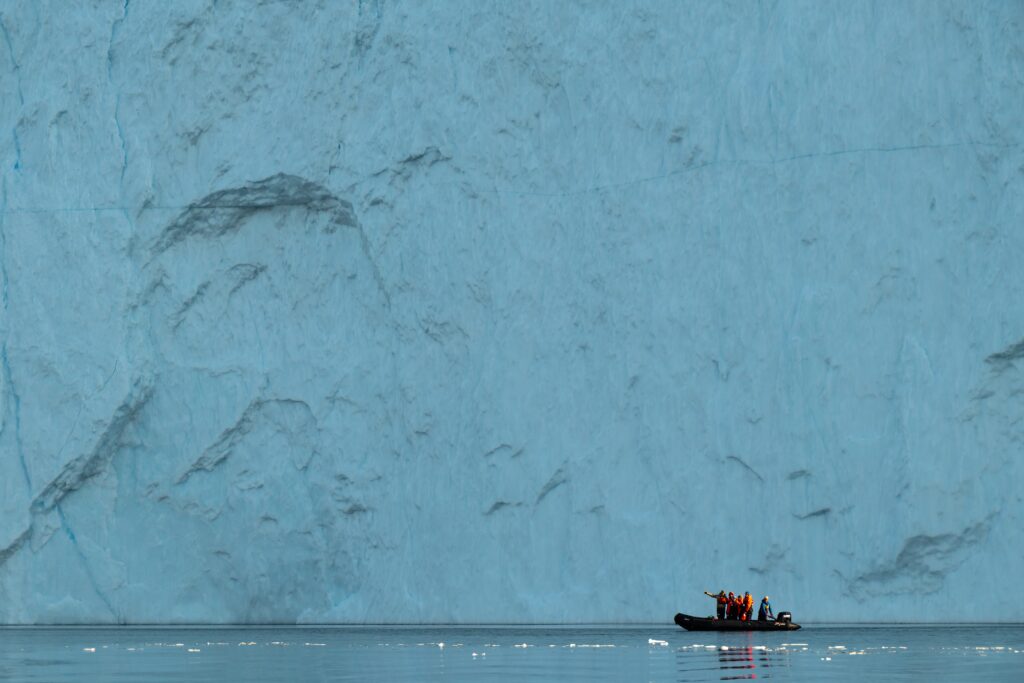
A small Zodiac drifts across calm water beneath an immense glacier face, scale defined by silence and space rather than dramatic angles.
Photographer: Alexandre Bilodeau-Desbiens grew up immersed in the outdoors in southern Quebec and, after studying philosophy and international politics, spent seven years traveling the world, confirming nature as his central pursuit. Today, he guides hiking, kayaking, and photography adventures in destinations from Churchill to Greenland and China, bringing a global perspective and deep field experience to every journey.
Why I love the photo:
This image is about scale, and scale is notoriously difficult to convey in photography. The solution here is not exaggeration. It is subtraction. By placing the human element low and small in the frame, the glacier is allowed to dominate without distortion. The negative space is not empty. It is doing the work.
Greenland offers endless opportunities to photograph ice, but the temptation is always to get closer, tighter, bigger. This image does the opposite and is stronger for it. It teaches an important lesson. When the subject is already overwhelming, your job is not to amplify it. Your job is to provide reference and then get out of the way.
North America
Location: Churchill, Manitoba
Nat Hab Trip: Tundra Lodge Photo Expedition
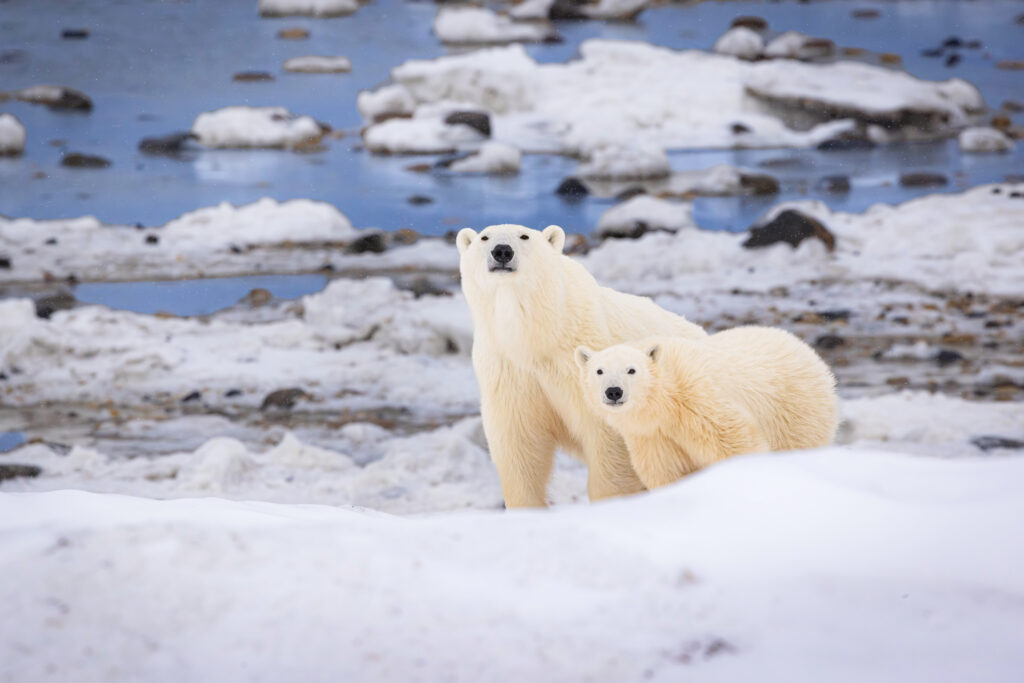
A polar bear mother and cubs emerge from a soft field of focus, their forms separated cleanly from the Arctic backdrop.
Photographer: Lianne Thompson has built a career in conservation through zoology, science communication and global work with wildlife organizations, with a focus on human-wildlife coexistence and sustainable tourism. She blends education and photography to help travelers connect deeply with the natural world, using images to turn fleeting moments into lasting understanding and care.
Why I love the photo:
Polar bears are not white. This image handles that reality beautifully. The subtle variation in tone gives the bears dimension and texture, while the shallow depth of field isolates them without feeling artificial.
There is also a compositional confidence here that matters. The bears are not filling the frame edge to edge. They are given space to exist together, which reinforces the relationship rather than turning the moment into a tight portrait exercise. This is a strong reminder that technical mastery is not just about sharpness. It is about deciding what to leave out.
Oceania
Location: Cradle Mountain – Lake St Clair National Park, Tasmania
Nat Hab Trip: Australia South: Tasmania, Kangaroo Island & the Great Ocean Road

A common wombat pauses just long enough for a direct, level portrait, the background softened into quiet context.
Photographer: Matt Cornish began his career at 16 in wildlife education, later working as a venomous snake and crocodile keeper, remote first aid instructor, and co-founder of a youth wildlife education program in Far North Queensland. A self-taught wildlife photographer, he brings deep field experience and a photographer’s eye to helping travelers connect with Australia’s wild places.
Why I love the photo:
If you have ever tried to photograph wombats, you know how rare this moment is. They are either underground or head down, moving with surprising efficiency for something shaped like a loaf of bread. This portrait required patience, positioning, and an understanding of how low to get to meet the subject on its terms.
Technically, the depth of field is doing exactly what it should. The eyes are sharp, the background falls away naturally, and nothing competes for attention. This is a great example of how wildlife portraits do not need dramatic action to feel successful. Sometimes the win is simply eye contact and a clean frame.
South America
Location: Galápagos Islands
Nat Hab Trip: Galapagos Discovery: The Nat Hab Experience
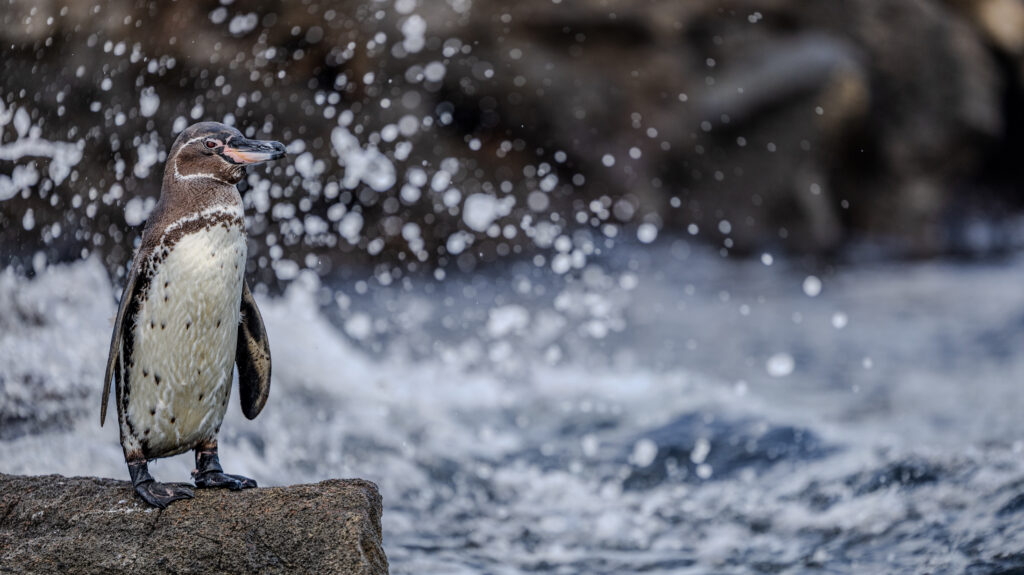
A Galápagos penguin stands firm against breaking surf, motion rendered through a slowed shutter that preserves both energy and balance.
Photographer: Gustavo Andrade Torres’s family history in the Galapagos spans more than a century, and after earning degrees in industrial engineering and business, he left the corporate world in 2005 to become a certified naturalist guide in the islands he has known since childhood. He pairs deep ecological knowledge with a focused passion for wildlife photography, using the camera as a storytelling tool to reveal both the iconic and lesser-seen sides of the Galápagos.
Why I love the photo:
This image uses shutter speed as a storytelling device. The penguin is sharp, grounded, and calm, while the water behind it is alive with movement. That contrast is what makes the frame work.
It would have been easy to freeze everything or blur everything. Instead, the choice sits right in the middle. The negative space gives the surf room to breathe, and the overall composition feels intentional rather than reactive. This is a great example of how small technical decisions can completely change the emotional read of an image.
Looking Ahead
What ties all of these photographs together is not gear or destination. It is awareness. Each image reflects a leader who understands when to wait, when to act, and when to simplify. That mindset is what we focus on cultivating across our Photo Expedition team.
As we look toward 2026, I am excited by how consistently our leaders are pushing themselves and their guests to see their creative vision more clearly.
If these images resonate with you, I encourage you to look beyond the frame and consider the experience behind it. Great photographs rarely happen by accident. They happen when you are in the right place, with the right guidance, and enough time to slow down and pay attention.
That is what our Photo Expeditions are built to do.
Happy Photographing & Happy New Year,

Leave a reply