What’s in My Camera Bag – Patagonia
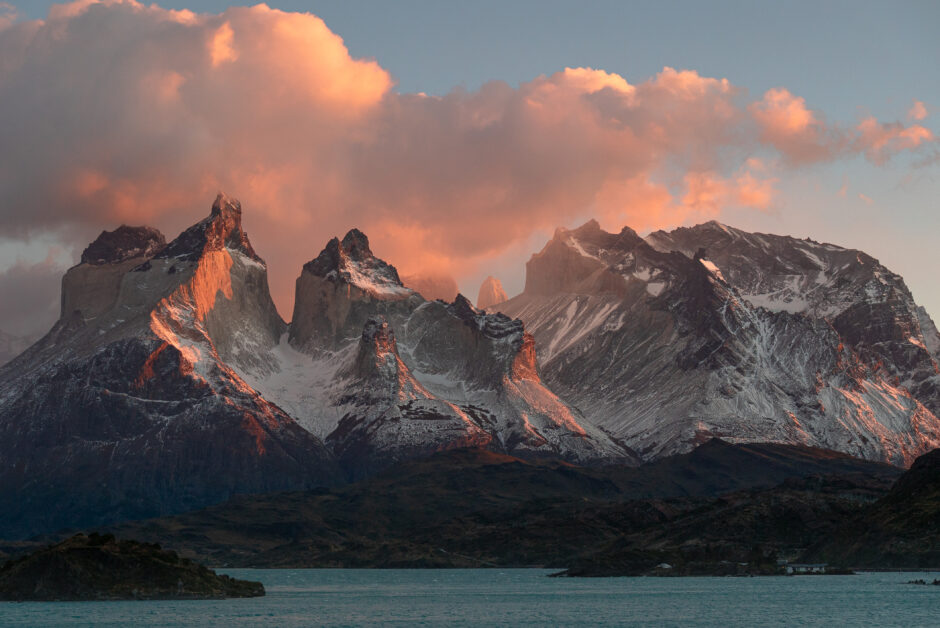
There is little wonder why Yvon Chouinard chose Patagonia’s epic peaks to represent his clothing brand: jagged mountains thrust thousands of feet into the sky, challenging anyone to find more breathtaking mountains anywhere else on earth. A single vista can hold a brilliant aquamarine lake, towering glaciers, jagged summits, and swirling weather. Stop to marvel, and a passing Andean condor, guanaco, or even a puma can turn the moment into a photographer’s dream. With endless opportunities, packing for a Patagonia photo expedition feels almost as monumental as the mountains themselves. While no lens is truly “wrong” here, these tips can help guide your photography adventure for success.
Please note: Photographic styles vary, as do conditions on the ground. While this is meant to be a guide for choosing your camera gear, you should consider your own photographic interests first and foremost.
Wide Angle Zoom
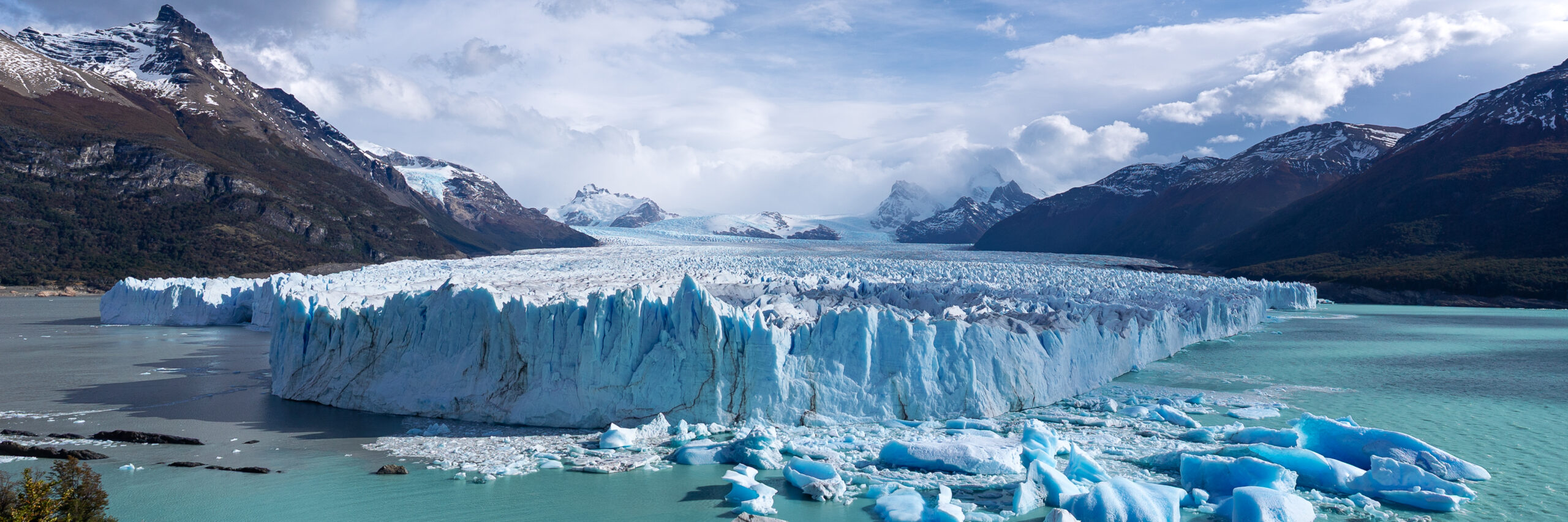
It might go without saying that you will want to bring your favorite landscape lens along for a Patagonian photo adventure. A 16-35mm or even 24-70mm lens allows photographers to capture entire mountain ranges, glacial lakes, and dramatic clouds in a single frame. While you could certainly benefit from zooming in further than 70mm to capture the more specific texture of certain peaks or patterns of glacial ice, going ultra wide angle zoom wider than 20mm may appeal to astrophotographers who want to capture the full display of the brilliant night sky.
Telephoto Zoom
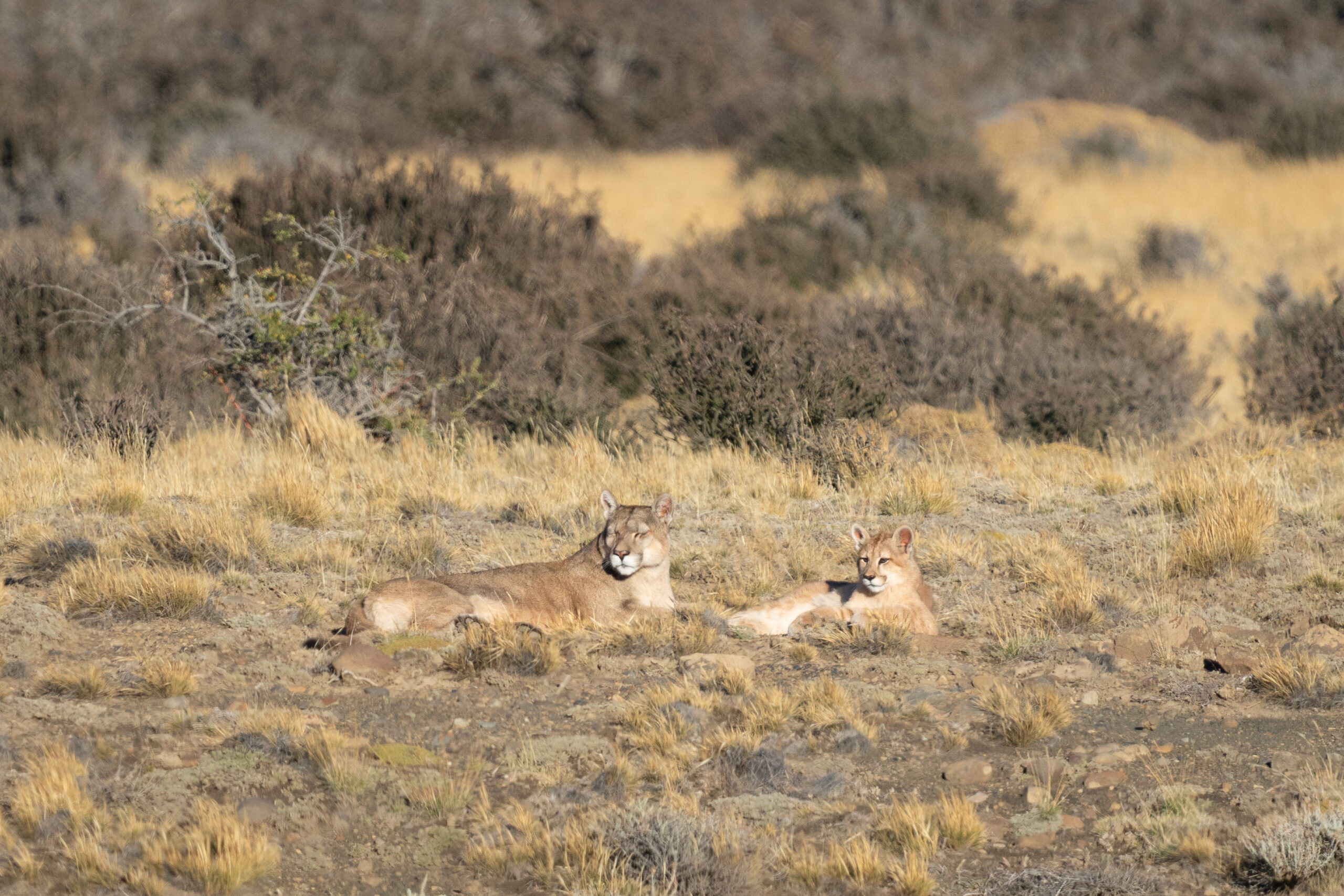
Patagonia’s glacier-carved peaks may steal the show, but the region also teems with dynamic wildlife set against stunning backdrops. I find that the more variability in your zoom range the better. Puma sightings often happen at a distance, and condors soar thousands of feet above the peaks. Here, a 600mm lens can capture plenty of action. Even 400–500mm works beautifully for guanacos, rheas, and other wildlife.
While the big 600mm and 500mm primes will deliver breathtaking shots, the flexibility to zoom out to 300–400mm can create stronger compositions that include more of Patagonia’s epic landscape.
X Factor Lens
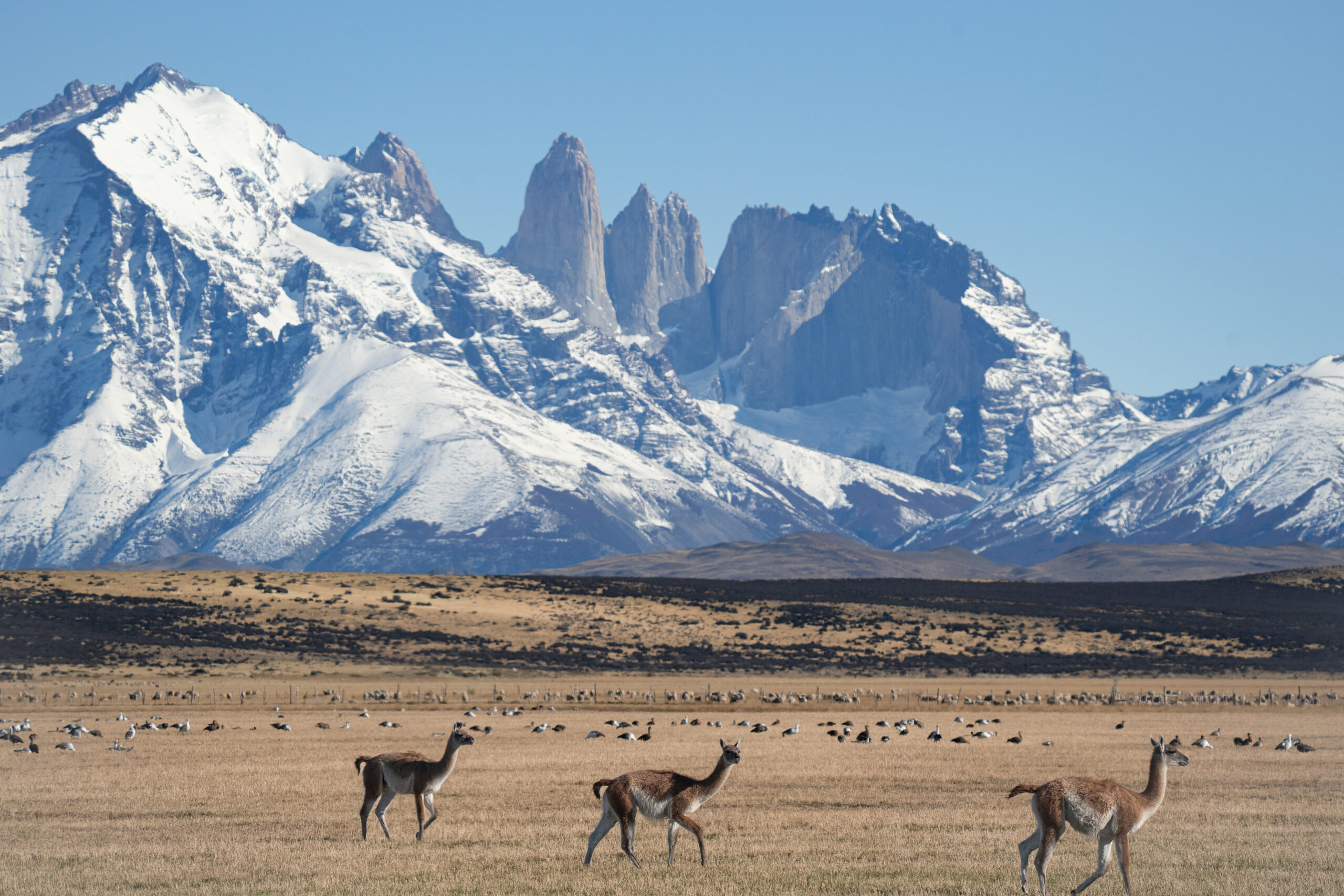
You will want to pack both a landscape and a wildlife lens for Patagonia, but a versatile midrange zoom can strike the perfect balance. Lenses in the 100–300mm range, like a 70–200mm, capture sharp close-ups of wildlife, guanacos standing sentinel on a ridgeline, or gauchos at work with their livestock, while still including Patagonia’s dramatic landscapes in the frame. This lens lets you tell a complete story—combining intimate action with the region’s breathtaking backdrop.
Daylight and Weather
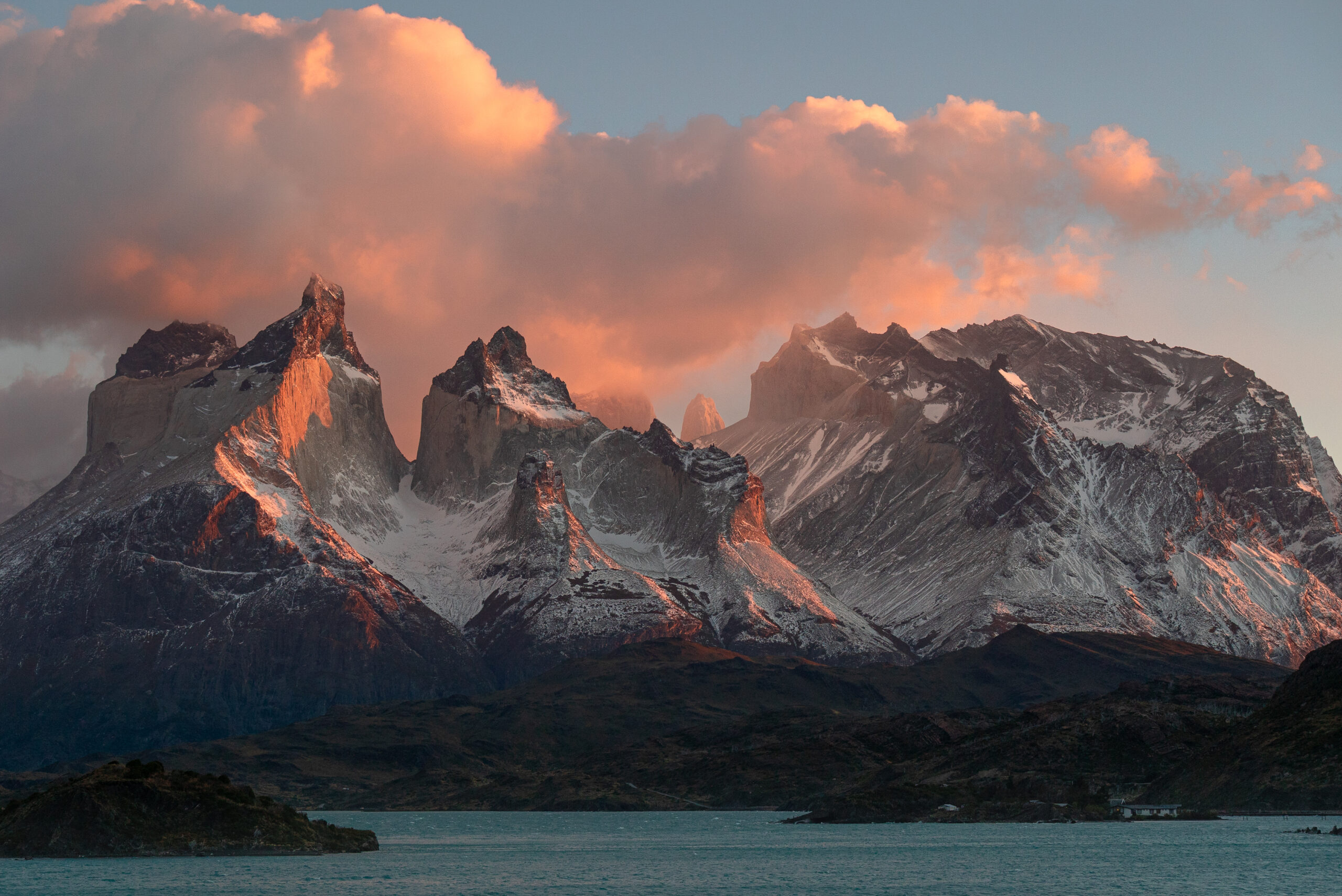
From November to early April, Patagonia’s southern latitude brings long days, extended golden hours, and beautifully soft, low-angle light. Powerful winds coming from the Antarctic fuel fast-changing weather create dramatic clouds and shifting moods, perfect for landscape photography. However, it can also present challenges.
Filters: Rapidly changing light can over- or underexpose your shots, while offering stunning atmospheric effects. A polarizing filter reduces glare, deepens skies, enhances color, and reveals detail in clouds, rain, or mist, adding contrast and drama. UV filters or rain covers also protect your gear from wind-driven rain and dust.
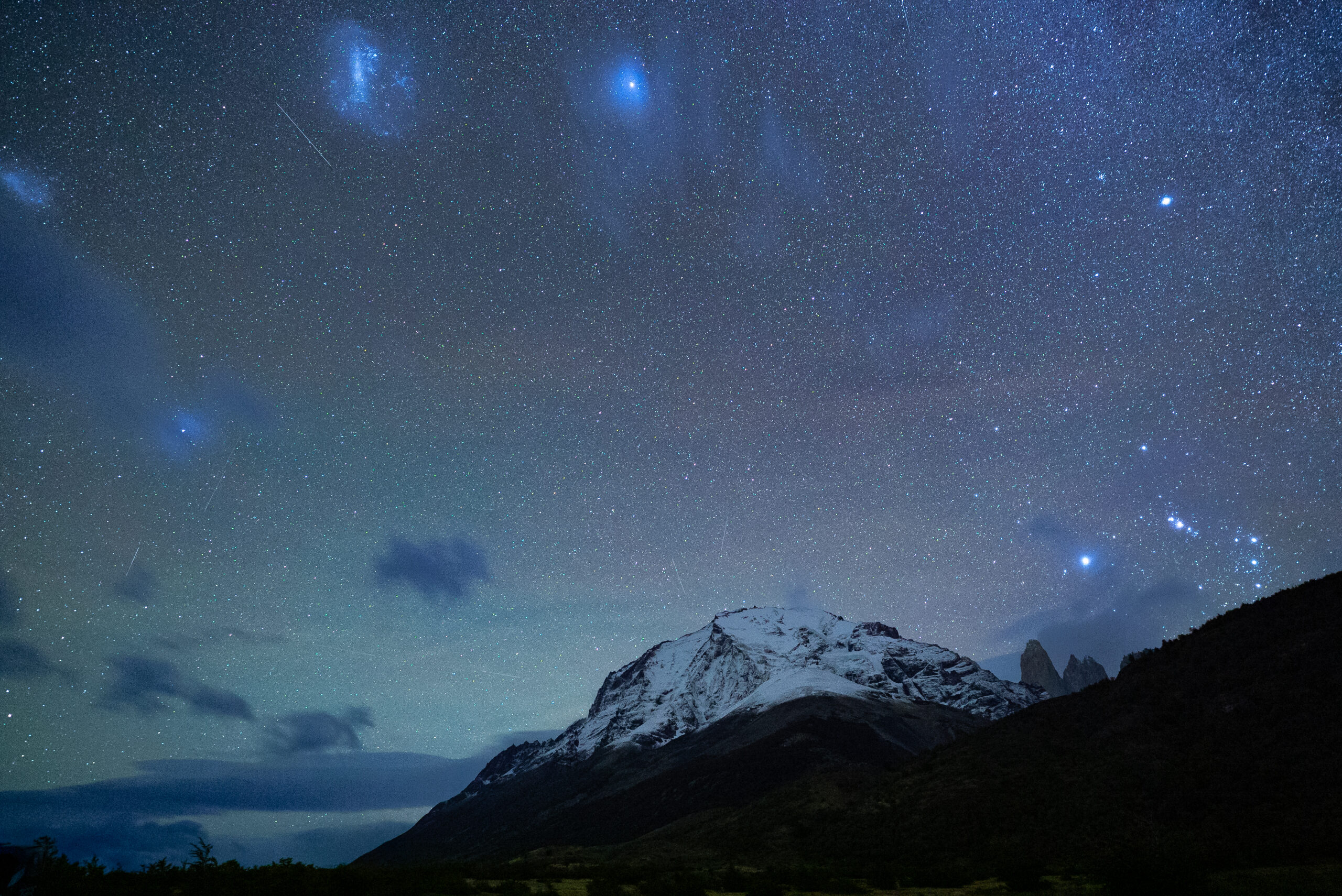
Tripods: Modern cameras handle higher ISOs well, but a tripod or monopod still produces sharper, cleaner images, especially when the western winds are blowing in the summer months. Personally, I tend to find that I still take sharper, cleaner photos with the aid of a tripod or monopod. And if you want to capture that silky waterfall or the stunning magellanic clouds of the southern night sky, a tripod is a must. However, be conscious of wind guests capable of blowing over your set up. Make sure your tripod is forming a strong base or is weighted with your daypack.
Extra Batteries and Memory Cards: Long days of shooting dramatic landscapes and wildlife means you are going to be taking a lot of photos- which is exactly why you travelled to the ends of the earth! However, running out of battery or storage before golden hour, sunset—or that rare puma encounter— would be a real bummer! Pack extra batteries and memory cards to stay ready.
A Second Camera Body
While modern cell phones capture stunning landscapes, for those who crop, edit, or chase detail, a large-sensor camera remains essential. Wildlife—especially elusive pumas—do not wait, so having a second body saves time and keeps you ready without constantly swapping lenses.

Final Thoughts
Patagonia is the embodiment of variability. Fierce westerly winds whip clouds across peaks, storms appear and vanish in minutes, and the low sun stretches golden hours perfect for capturing wildlife and dramatic shadows. The only constants are the stunning landscapes and ever-changing weather. Thus the ultimate key for success: Embrace the unpredictability, keep your camera ready, and let Patagonia’s wild beauty inspire every shot.
Happy shooting,
Charlie

Leave a reply