Play With Your Camera, Not the Wildlife: A Guide to Creative Wildlife Photography
Imagine you’re standing on a volcanic beach in the Galápagos Islands. There’s a marine iguana sprawled across the black lava rock, a blue-footed booby showing off its ridiculous footwear, and a sea lion doing what sea lions do best: being noisy. You’re surrounded by some of the most photogenic wildlife on the planet. Your memory card is filling up, your autofocus is working beautifully, and you’ve captured enough sharp animal portraits to illustrate a field guide to the Enchanted Islands. Congratulations. You’ve mastered the wildlife mugshot.
Now what?
There’s nothing wrong with a beautifully sharp, well-exposed wildlife portrait. I take thousands of them. But at some point, photography needs to become more than documenting what an animal looks like. Otherwise, we’re just conducting an extremely expensive census with better equipment. Creative wildlife photography is about moving beyond the obvious. Experimenting with movement, light, perspective, and composition to make images that feel different. Images that reveal something about an animal rather than simply proving you saw it.
And occasionally, that means breaking a few photographic rules.
The Trophy Shot Trap: Congratulations, It’s a Bird
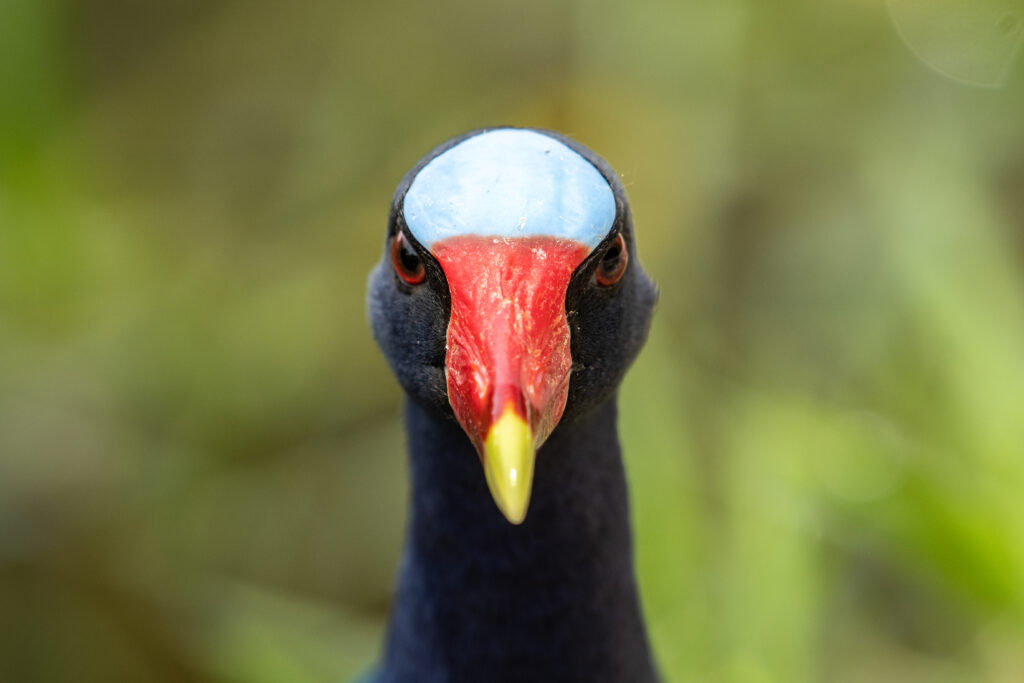
We’ve all seen the classic wildlife photograph. Animal centered in the frame. Beautiful blurred background. Eyes tack sharp. Perfect exposure. Every feather accounted for. It’s technically flawless. It’s also the same photograph that 47 other people standing beside you probably took.
Wildlife photographers have a tendency to approach every animal encounter with the same formula: find the animal, zoom in as far as possible, focus on the eye, and fire away. It’s a reliable recipe, but so is making toast. Eventually, you might want something more interesting for breakfast.
My advice? Get the traditional shot first. There’s no shame in capturing a classic portrait, especially when it’s an animal you’ve traveled halfway around the planet to photograph. But once you’ve got it, challenge yourself. What happens if you zoom out? What if you photograph only part of the animal? What if you stop worrying about freezing every movement?
The goal isn’t to abandon good technique. It’s to stop letting technique dictate your creativity.
Blurry on Purpose: Staying Under the Shutter Speed Limit
Wildlife photographers spend an extraordinary amount of time trying to eliminate motion blur. We buy expensive lenses, crank up the ISO, and obsess over shutter speeds fast enough to freeze time itself. Then some artsy photographer comes along, shoots at 1/30 of a second, and produces something spectacular. Really? The nerve.
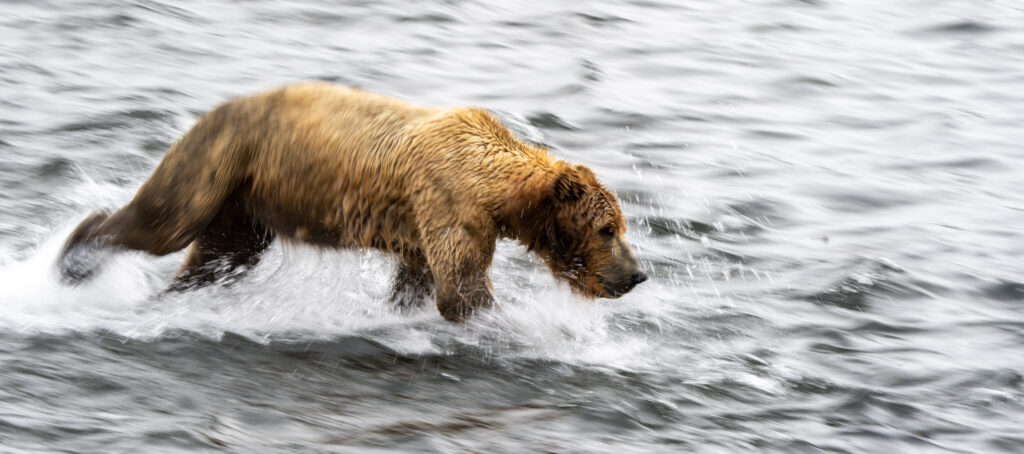
Intentional motion blur is one of my favorite ways to create a sense of energy in wildlife photography. Instead of freezing an animal in time, you’re showing how it moves through its environment. There are two techniques worth experimenting with.
Panning: Follow a moving animal with your camera while using a relatively slow shutter speed. The idea is to keep your subject reasonably sharp while the background stretches into colorful streaks. Start around 1/60 or 1/125 second for a moving mammal and follow its movement smoothly, continuing even after the shutter fires. Slower speeds create more dramatic blur, but they’ll also produce more spectacular failures. The key here is to shoot A LOT.
Selective motion blur: Keep the camera relatively stationary and let part of your subject move. Think of a bird with blurred wings but a recognizable body, or an elephant shaking dust from its ears. Try shutter speeds between 1/30 and 1/250 second, depending on how fast the action is happening. The trick is leaving enough recognizable detail for the viewer to understand what they’re looking at. A blurry animal surrounded by blurry vegetation isn’t automatically art. Sometimes it’s just a blurry animal.
Expect to delete a lot of photographs. That’s fine. Digital film is cheap, and your ego could probably use the exercise.
Let There Be Light (Preferably the Weird Kind)
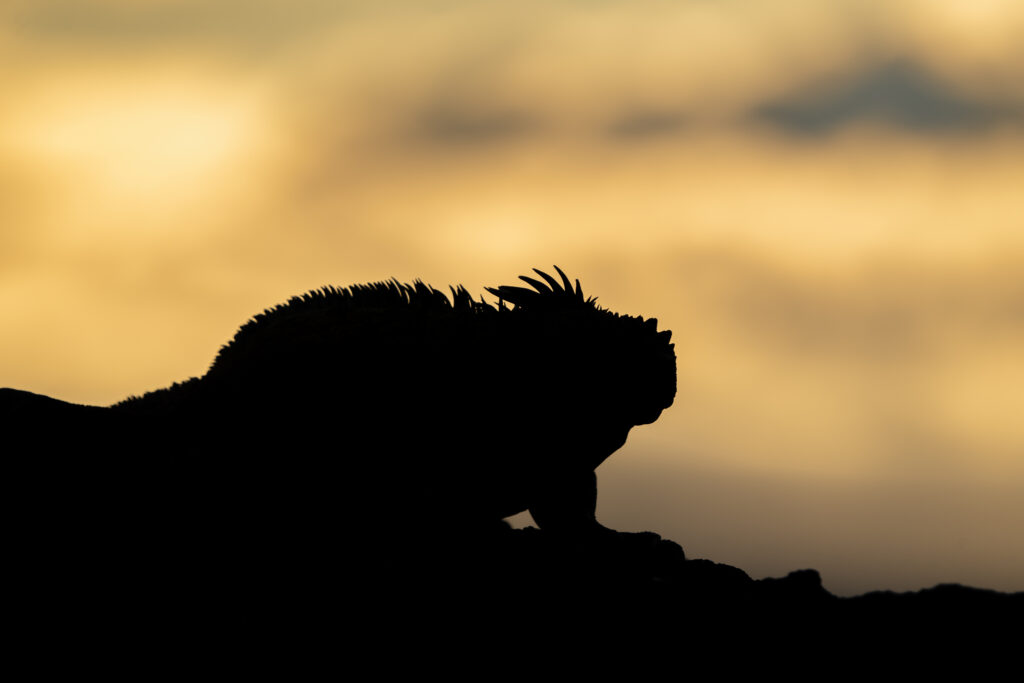
We’re taught that good wildlife photography requires good light. Usually that means soft morning illumination, warm evening sunshine, or those delightfully overcast days when the sky becomes a giant softbox. But that light isn’t the only “good” light. Sometimes the most compelling photographs come from embracing conditions that traditional wildlife photographers try to avoid.
Backlighting is a perfect example. Photograph an animal with the sun behind it, and suddenly fur, feathers, scales, or even airborne dust can glow like they’re plugged into an electrical outlet. Look for bright backgrounds to help that illuminated outline stand out. Expose for the bright edges, making sure the highlights don’t become a featureless white mess.
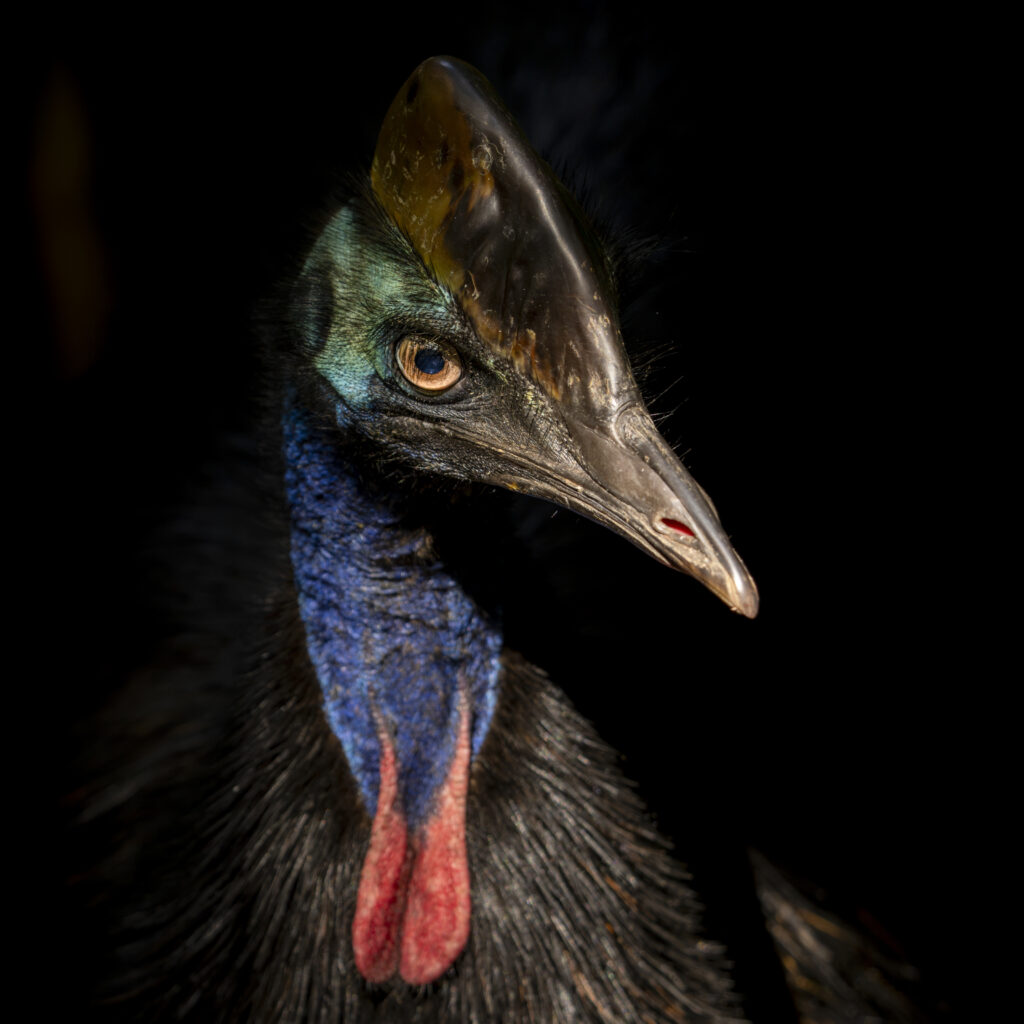
Low-key photography is another option, where most of the frame is intentionally dark. Imagine a cassowary’s face emerging from deep rainforest shadows, with just enough light illuminating its eyes and expression. You don’t need every detail visible. Sometimes mystery makes a photograph more compelling.
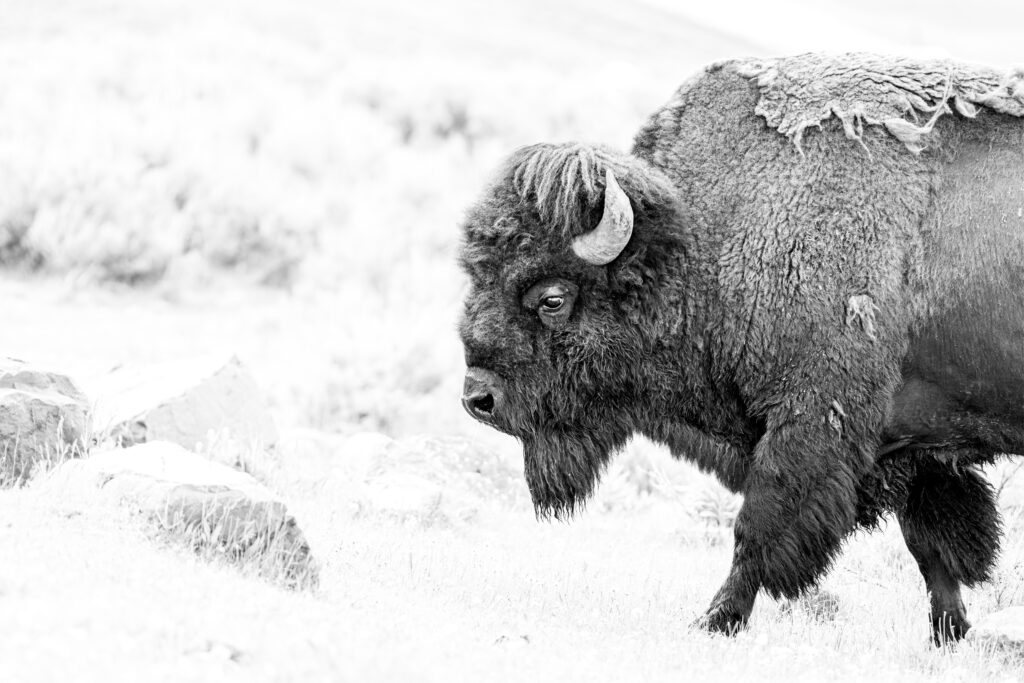
High-key photography, on the other hand, uses bright surroundings and pale tones to create an airy, minimalist appearance. A white bird against a bright sky or a polar bear in a snowy landscape can work beautifully.
The point is to stop asking whether the light is good or bad. Instead, ask what kind of photograph the light wants you to make.
Get Closer Without Getting Closer
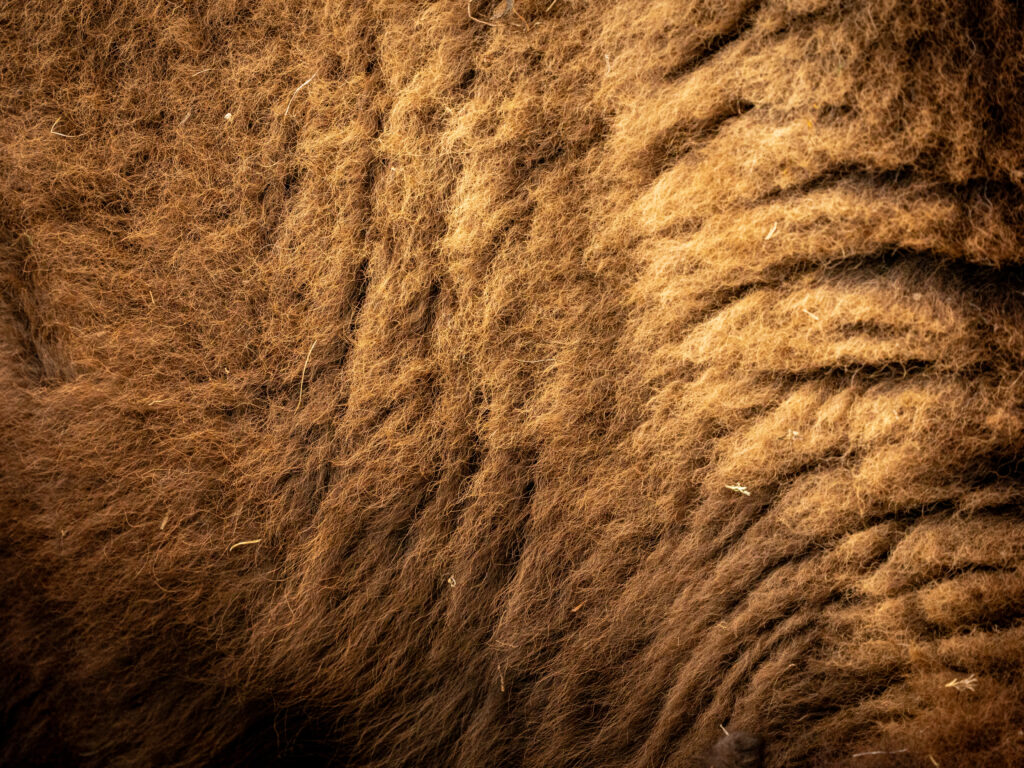
One of the most effective ways to create unusual wildlife images is to stop photographing the entire animal. I know. Heresy. You’ve traveled thousands of miles to photograph a giant tortoise, and I’m suggesting you leave its head out of the picture? Absolutely.
Wildlife is full of fascinating shapes, textures, patterns, and details that disappear when we concentrate exclusively on portraits. Think about the intricate scales on a marine iguana, the enormous eyelashes of a giraffe, the delicate structure of a butterfly’s wing, or the surprisingly prehistoric feet of a bird. These details can become subjects in their own right.
The trick is to compose deliberately. A photograph of half an animal looks accidental if you’ve simply chopped it off at an awkward point. But when the frame emphasizes repeating patterns, contrasting textures, or an interesting shape, it becomes something more abstract. Telephoto lenses are excellent for this because they allow you to isolate details without invading an animal’s personal space. Remember to check your lens’s minimum focusing distance, too.
Shoot Through Stuff: Organized Photographic Chaos
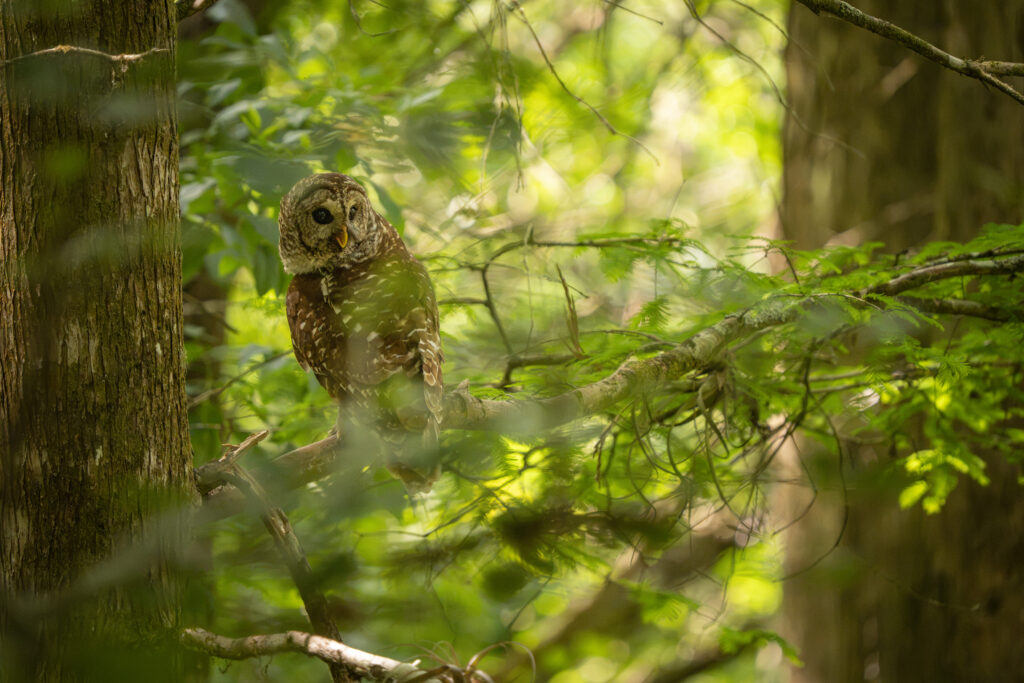
One of the stranger pieces of advice I give photographers is to intentionally put things in front of their lenses. Leaves. Flowers. Grass. Snow. Rain. All the things we normally complain about blocking our subjects. Photographing through foreground elements can introduce depth, color, and atmosphere that a clean, unobstructed image simply doesn’t have.
Imagine a tiger moving through tall grass. Instead of desperately trying to find an unobstructed view, use some of that grass as a soft foreground layer. With a wide aperture and enough separation between the vegetation and your subject, those grasses can dissolve into beautiful washes of color. The same approach works with tropical foliage, falling snow, and even out-of-focus flowers.
Start with an aperture around f/4 or f/5.6 if your lens allows it. Position yourself so your subject remains identifiable while the foreground adds atmosphere. Then make sure your autofocus hasn’t fallen madly in love with the nearest leaf. This technique can make the viewer feel as though they’re peering into an animal’s world rather than watching it from a distance.

Stop Photographing Animals: Start Photographing Behavior
Here’s where my zoology background starts interfering with my photography. An animal isn’t simply a collection of fur, feathers, and eyeballs waiting to be photographed. It’s a living creature with behaviors, adaptations, relationships, and a fascinating ecological story. Those stories are often far more interesting than a portrait.
A blue-footed booby standing on a rock is a nice photograph. A booby performing its elaborate courtship display, lifting those ridiculous blue feet one at a time, tells us something about how the species attracts a mate. A brown bear standing in a river is impressive. A bear carefully studying the current before lunging after a salmon reveals intelligence, strategy, and a predator’s relationship with its environment. Understanding behavior is one of the best creative tools you can develop.
Spend time observing your subject before lifting the camera. Look for repeated movements, interactions, or subtle signs that something interesting might happen. Then anticipate. Choose your composition, set your exposure, and wait for the behavior to unfold. The most creative part of the process often happens before you press the shutter.
A Little Less Perfection, a Lot More Personality
There’s a strange contradiction in photography. We spend years learning how to make technically perfect images, only to discover that some of our favorite photographs break nearly every rule we were taught.
A little blur can suggest movement. Deep shadows can create mystery. An unusual crop can reveal texture. Reflections can distort reality. Unexpected light can transform a familiar animal into something extraordinary. None of these techniques works every time. In fact, most experiments will fail. But that’s part of the fun.
Here’s a challenge for your next wildlife outing: once you’ve captured the traditional portrait, make five more images using five completely different approaches. Change the shutter speed. Look for details. Experiment with reflections. Use the foreground. Find an interesting behavior. Do it with squirrels in your backyard or penguins in Antarctica. The creative process is the same.
And remember, getting creative doesn’t give you permission to disturb wildlife, manipulate natural behavior, or put yourself in danger. The animals are under no obligation to participate in your artistic awakening.
Final Thoughts: Get Weird, Stay Wild
One of the reasons I love photographing wildlife in places like the Galápagos is that remarkable animal encounters provide opportunities to move beyond conventional photography. When the animals are going about their business, you have a chance to slow down, observe, and experiment.
Nat Hab’s Galapagos Wildlife Photo Expedition is particularly well suited to this kind of creative exploration. Marine iguanas, blue-footed boobies, sea lions, and giant tortoises provide an extraordinary variety of subjects, textures, behaviors, and photographic challenges.
But whether you’re standing on a volcanic beach in the Galápagos or photographing ducks in the local park, the lesson is the same. Don’t let your camera’s technical capabilities define your artistic ambitions. Because nobody remembers every perfectly exposed wildlife photograph they’ve seen.
They remember the ones that made them look twice.
Happy Photographing,


Leave a reply