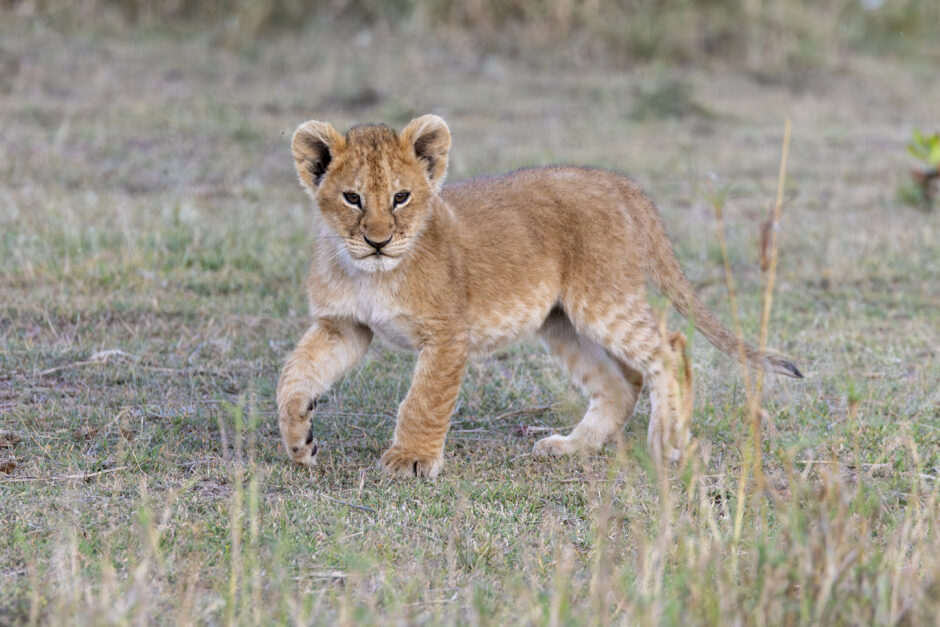
What Are the Best “Wildlife Lenses” for a Safari in Botswana?
Given the immense array of options out there, I realize what a big question this is, with potentially varied answers. However, picking out the best wildlife lens for a Botswana safari is a key question likely going through any traveler’s mind. Answering it becomes easier when you break down the different “styles” of nature photographers out there.
We’ll go in ascending order and take things into account like goals, weight and size, budget and expectations to get you fully dialed in.
The beginner-friendly but still discerning nature photographer
For those that aren’t yet ready to dive into the world of interchangeable lens cameras, I’ve got great news for you. You can still go the point-and-shoot route but get pro level (or at least VERY high-quality results) with a single camera. No need to change lenses!
The Sony RX10 V has just been released and is a powerhouse. This builds on the previous RX10 IV model, which has been one of my top recommendations to-date, but the version 5 comes with a new sensor, better autofocus, higher maximum frame rate (i.e., how many photos you can take per second) and all the other “build-quality” bells and whistles you’d expect from a camera that is nearly 10 years newer (the version 4 came out in 2017).
The best parts about this camera are the large, one-inch sensor (great for a point-and-shoot!), the fact that it has a built-in high-quality 24-600mm lens, and that it all comes in a relatively compact size for its astounding capabilities and quality. This 24-600mm range is pretty much all you ever need for landscapes, wildlife and general travel photography. And as you’ll see in the rest of this article, 600mm is spectacular for wildlife photography in Botswana.
At the time of this publication, the RX10 V hasn’t yet been released for sale, but it has been announced, which means it’s on the horizon. There’s a good chance that by the time you’re reading this, it will be readily available. Could you still benefit from picking up a used version 4 of this camera? Absolutely. In fact, had Sony not come out with this much-anticipated newer version, I’d be recommending that one, still…
Nevertheless, if you want to quickly elevate your nature photography in a one-stop-shop system, this is the one.
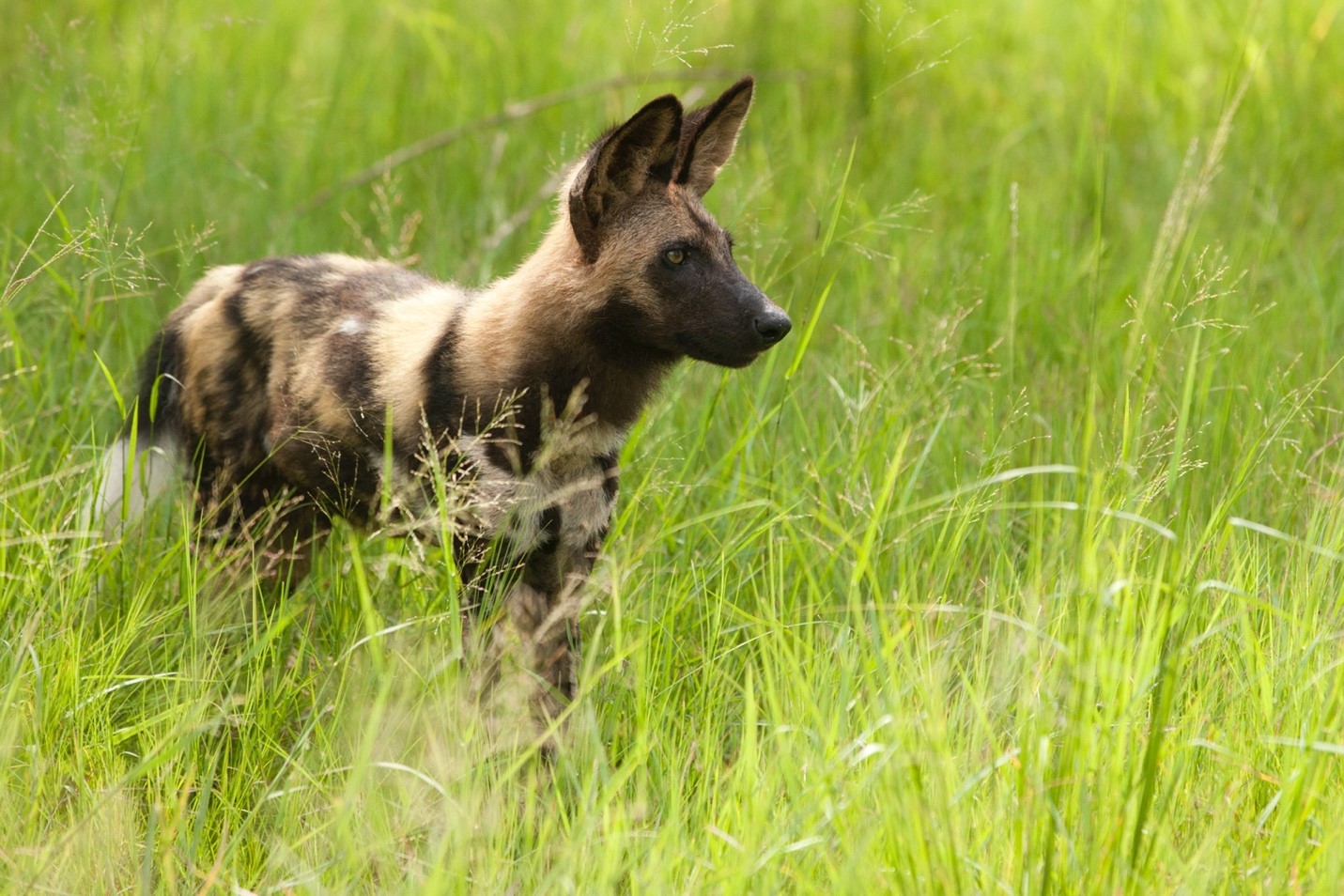
The intermediate or advanced beginner that’s looking for their first telephoto wildlife lens
If you’re looking to build out your first kit but don’t want to break the bank, there are some excellent options for all camera systems: Canon, Nikon, OM, Sony, etc.
While I do subscribe to the idea of “buy once, cry once” when it comes to investing in lenses, if you aren’t quite ready to take the plunge and buy a pro-level lens—but still want a solid array of pro-level qualities—I recommend looking at the sub $1,000 100-400mm class of lenses. Not long ago, 400mm was all you could really expect from a great wildlife lens. While new camera tech and general advancements have given rise to new 500mm and 600mm lenses, the 100-400 is still an excellent choice and gives you wonderful reach for wildlife.
Plus, if you have what’s known as a ‘crop-frame sensor’ you actually get even more reach, as these 100-400mm lenses are multiplied because of your sensor to somewhere around 1.4 or 1.6x the focal length. This means that you might actually be getting the equivalent of a 560 or 640mm with more introductory camera bodies!
A key takeaway is this: If you have a set amount to invest in this lens, and you have a 100-400mm and 150-600mm on the table as options (both at a similar price), you will find that the 100-400mm probably has better optical quality. The extra reach of a 600mm would be nice, but if both lenses are the same price, a 400mm has great reach. And with that added quality, you can probably crop a bit to make it the equivalent of a 500 or 600mm with minimal degradation in quality.
Expect to pay between $600 and $1,200 for a lens like this. It might not get you the same results as a lens that’s $2,500-$3,000 in the same zoom range, but they are solid and they won’t break the bank.
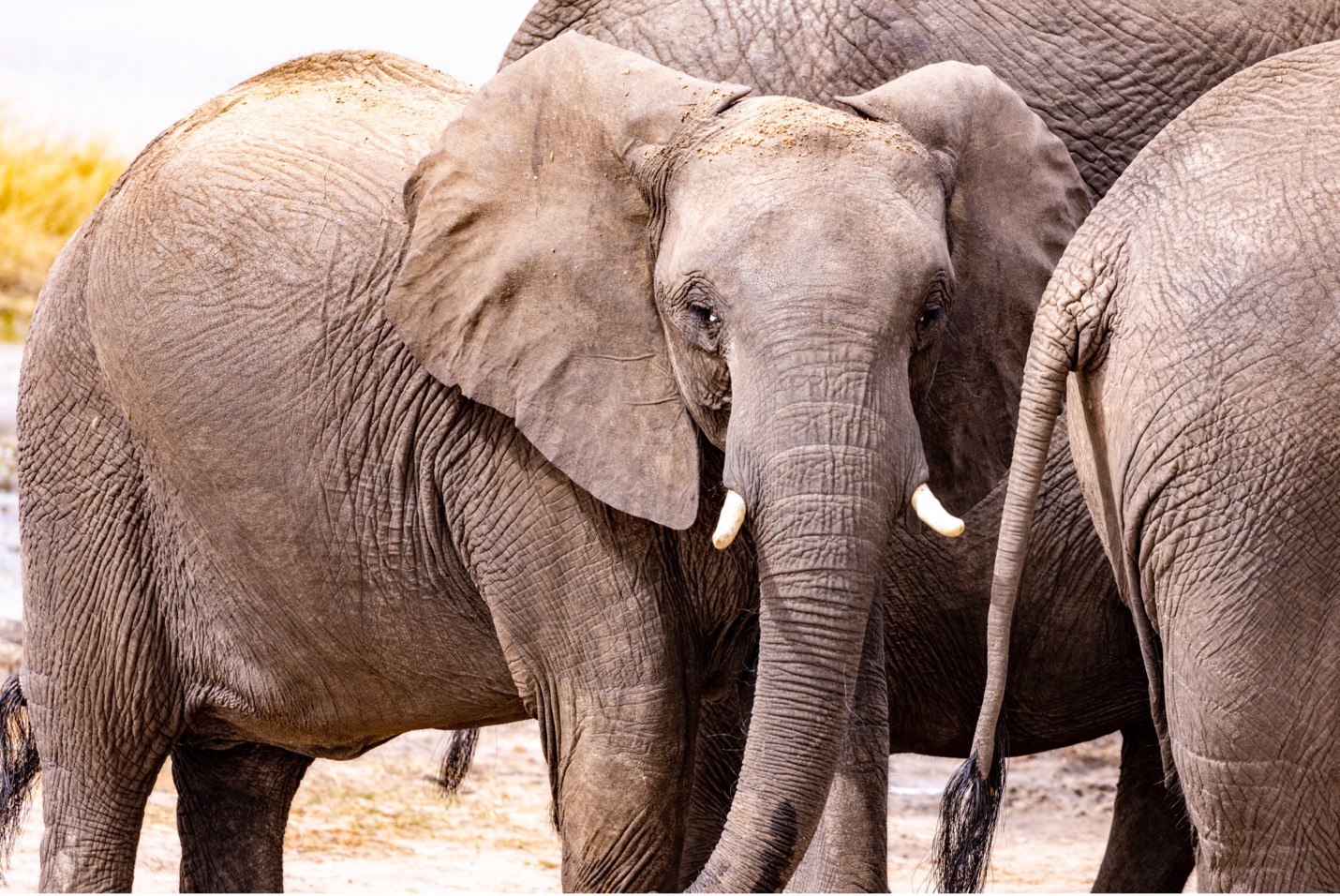
The intermediate photographer that’s looking to get into higher-end lenses
If you’re relatively serious about your photography and are ready to invest more for a sharper image, faster autofocus and better build quality (all while giving you a bit of extra reach), most camera systems now have a higher-end option in the 100-500mm, 200-500mm or 200-600mm range.
This is what I use personally, and they have many merits. In addition to the obvious extra range, they are generally weather and dust sealed, which improves performance, and they are more accurate and faster with autofocus, which is a huge benefit in wildlife photography. But at the end of the day, the significant improvements in optical quality, just through better glass and physics, makes them outstanding lenses. They are also still relatively small and lightweight compared to the tip-top pro-level lenses I’ll discuss in the final section of this article.
Rather than list specific lenses for each and every camera system, I’ll give you a price range to look for with these, as price does correlate to overall quality. Expect to pay between $2,000 and $3,000 for these types of lenses.
While it’s definitely an investment, they will give you pro-level results and retain their resale value quite well. In other words, you may be able to use a new model of these lenses (i.e., the lens was announced in the last 5 or so years) and then sell it used for 70% of what you paid for it 5 years later. You probably won’t be able to do that with lower-quality lenses, so it’s worth considering when budgeting for this class of lenses: Do you pay a bit more now and allow a greater % to be recouped? I think it’s a worthy investment if you are passionate about wildlife photography and have the mirrorless or DSLR system to go with it.
Finally, these lenses are often the pros’ choice, even though there is another category to talk about, as they are smaller, lighter and more travel-friendly than the next option.
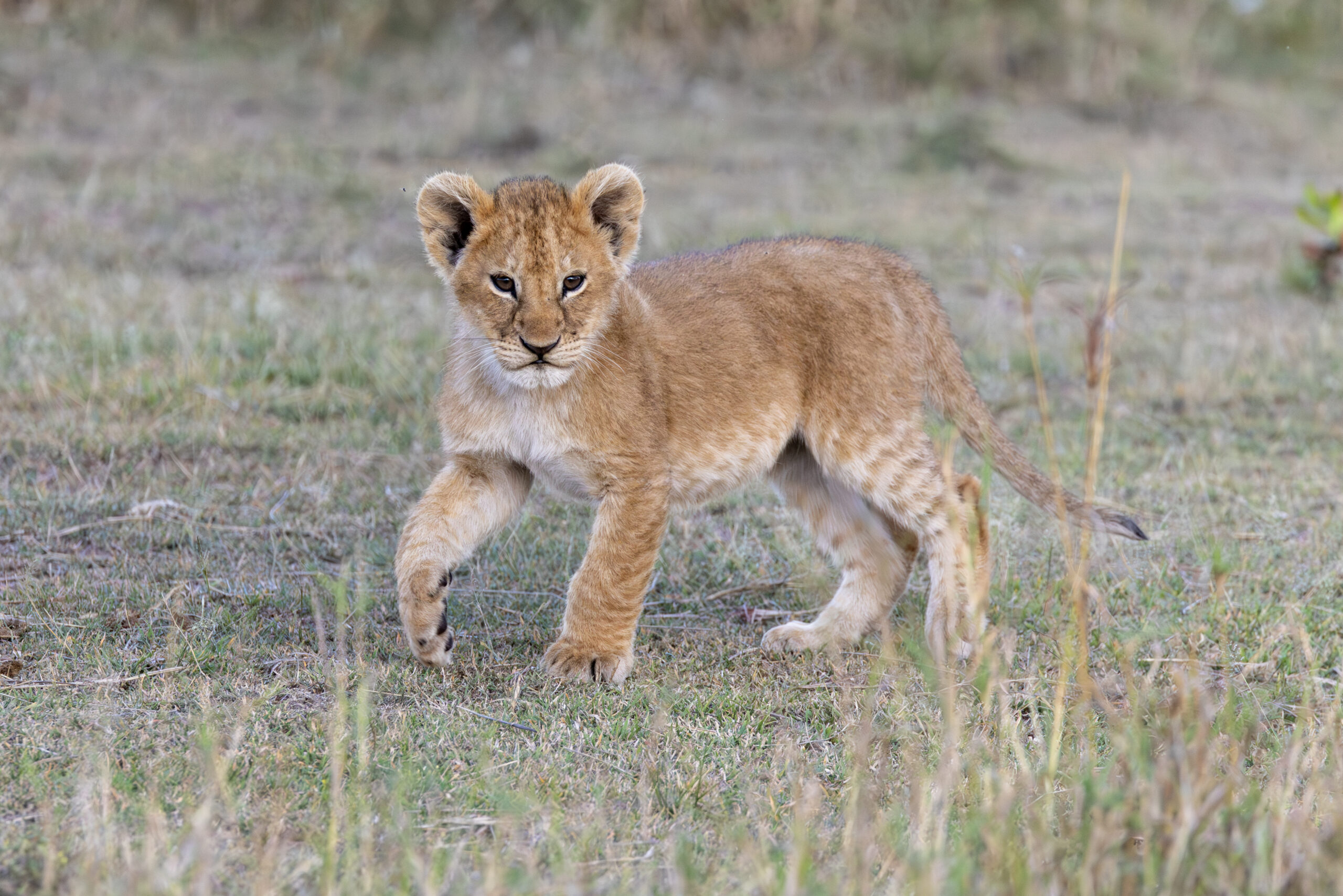
The pro looking for a tip top-level lens
The irony here is that the very best “category” of wildlife lenses usually comes with some major constraints, aside from just price. In addition to being prohibitively large and heavy, these are usually “fixed” lenses such that they have no zoom. A 400mm f/2.8 is stuck at 400mm…you can’t zoom out or in, and every shot you take is at 400mm. If you want something to appear larger in your frame, you either have to crop in on the computer or put on a tele-extender. Same thing on the wider end of the spectrum.
The good thing is that tele-extenders (aka tele-converters) work extremely well with this class of lenses. For lesser zoom lenses, I would never recommend using them. However, for fixed lenses, they’re a powerful option to have in your toolkit. You can choose a 1.4x extender, turning a 400mm into a 560mm, or a 2x extender making it an 800mm. These do, however, limit light such that 1.4x will drop your maximum aperture from f/2.8 to f/4, and for the 2x all the way to f/5.6. This effectively halves or even quarters the amount of light you’re able to get, which is a big cost.
Similarly, image quality will be reduced slightly for the 1.4x and a bit more with the 2x. It’s hard to have your cake and eat it, too…
Despite these constraints, they are spectacular lenses. They are sharper with better auto-focus speed and accuracy. They give you more ability to crop-in due to overall quality, and the shallow depth of field from these “big primes,” as they’re often called, is second to none.
These will, simply put, give you the most “pro-looking” shots possible.
Are they necessary? Well, I’ll let that be your call. You certainly don’t need these for reach, but if you are a discerning photographer that’s okay with the cost, size, weight and lack of zoom versatility, they will produce the sharpest and best results. However, “best results” is subjective, as you may actually get fewer shots due to their constraints. But, it’s likely a quality over quantity thing here, and I can tell you the quality of these $10,000-$15,000 lenses is out of this world.
Final thoughts
The best wildlife lens for a Botswana photo safari is ultimately the one that strikes the right balance between image quality, reach, portability and budget for you. A budget-friendly 100–400mm lens can produce outstanding results, while the higher-end version, or 500mm and 600mm zooms offer additional reach, speed and durability for more serious photographers. And although the enormous professional prime lenses deliver truly spectacular image quality, they also come with significant tradeoffs in cost, weight and versatility.
Whichever route you choose, remember that great safari photography is about far more than owning the most expensive lens. Anticipating behavior, traveling with guides who understand wildlife patterns, understanding light, composing thoughtfully and being ready when the moment happens will have an even greater impact on your images.
Choose the lens you’ll enjoy using, learn it inside and out, and let Botswana’s extraordinary wildlife do the rest.
Enjoy it out there,
Court

2 Comments

James Butts
September 11, 2026 at 4:10 pm

Court Whelan, Ph.D.
September 14, 2026 at 7:38 am
We traveled to Boswana several years ago and I purchased a Sony RX10IV. My primary reason was not the zoom range but so I would not have to change lenses in that incredibly dusty environment. I came back with portraits of lions and leopards, great landscapes, dramatic sunsets , and closeups of elephants eyes. Prefect camera for the trip when most shots are taken while seated . The only downside is the weight when you are carrying the camera. If there are improvements in the new version I am getting in line.
love to hear this, James! That’s a heck of a camera for sure. Did you hear they actually FINALLY released the mark 5 version of the RX10? I haven’t spoken with anyone that has used it, but I bet it’s a nice upgrade…7 years in the making, I think? Happy photographing out there!