What’s in My Camera Bag? East Africa Photo Safari
East Africa is the holy grail of wildlife photography. Between the sweeping vistas that lend themselves to both wildlife and landscape photography and special wildlife phenomena like the Great Migration, it’s nothing short of spectacular. If you’re headed to this iconic region of Africa on a wildlife photo safari, be sure to bring the right gear with you to get all the shots you’ve dreamed of.
Please note, photographic styles vary, as do conditions on the ground. While this is meant to be a guide for choosing your camera gear, you should always consider your own photographic interests first and foremost.
Which Type of Wide Angle?
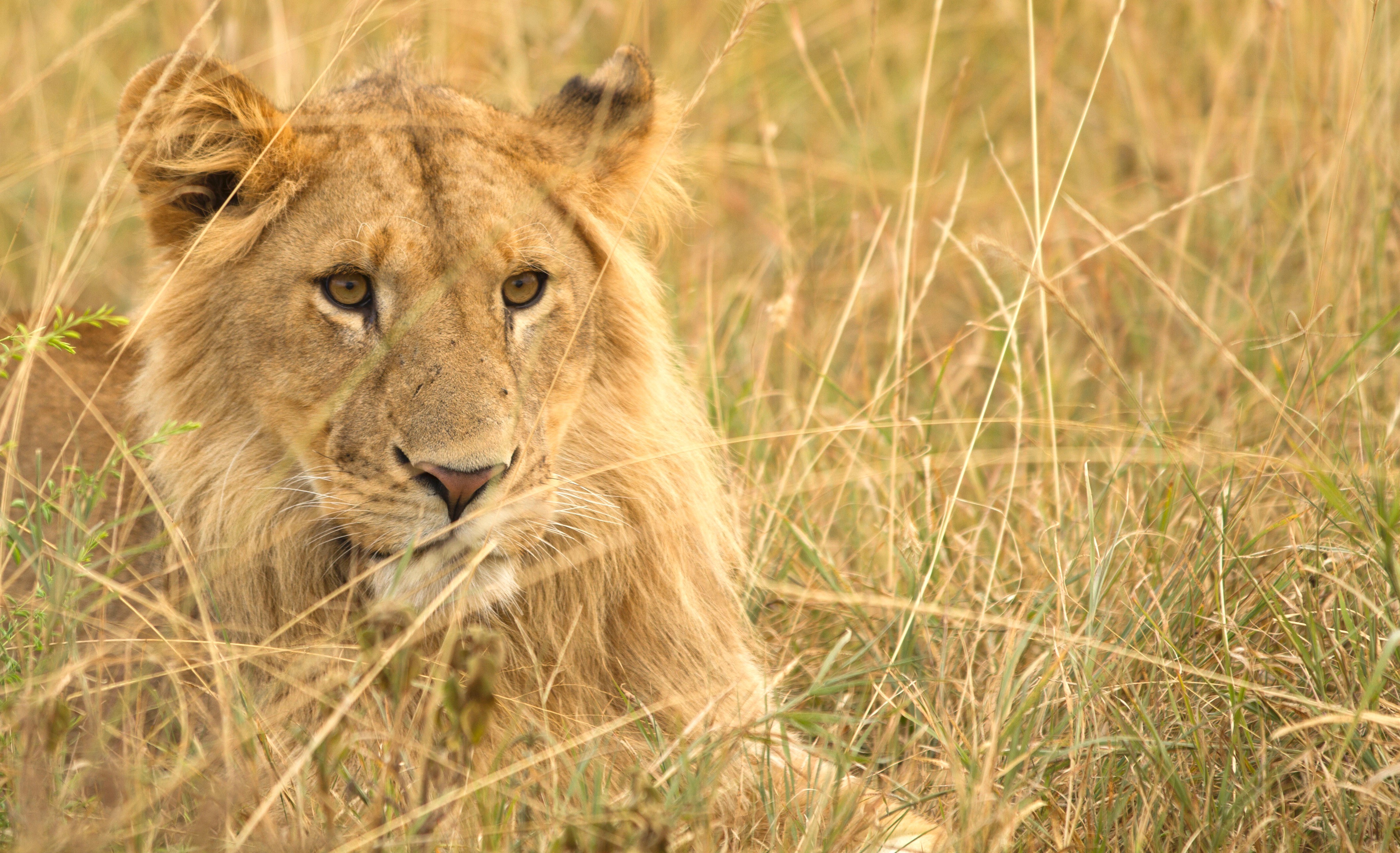
Although wildlife photography may be the goal of a Kenya or Tanzania safari, don’t shortchange the spectacular landscape and general travel photo opportunities.
But what type of wide-angle lens should you bring? Something ultra wide, like a 16-35mm full frame equivalent, or something with a bit more zoom, like a classic 24-105mm lens?
Of course, the best and most comprehensive approach would be to bring both. And to me, my ultra-wide lens is indeed my x-factor lens for safari. That is, I forego more traditional x-factor lenses, like a macro, because an ultra-wide can capture some really unique photos from within the vehicle and of your safari camps.
But in general, I am in favor of having a trusty 24-105mm (full-frame equivalent) as my go-to landscape and travel lens. 24mm is generally wide enough for most landscape and travel shots, and having the extra zoom can be valuable. Not only can the extra zoom help you compose your shots better, so you get the shot right in-camera, but when you reach the 100mm range, you may very well use this for close-up wildlife photo opportunities as well. There’s nothing more frustrating than having a big telephoto lens, like a 300mm or greater, and not being able to get the shot of the trip because you have TOO much telephoto.

Zoom Telephoto
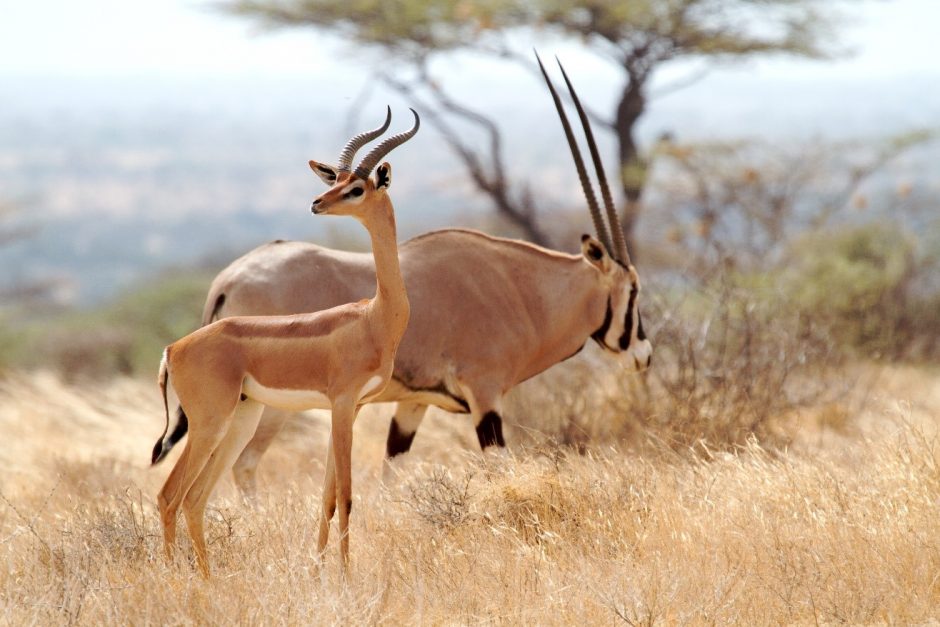
To me, a zoom telephoto is my workhorse for any safari. I use this for at least 50% of all my shots, and frankly, more like 70%+ at times. These are your 70-300mm, 100-400mm, or 200-500mm lenses (full-frame equivalent or crop). But generally, if I’m shooting on full-frame, I want at least 400mm on the upper range.
The range from 100-400mm offers great flexibility for composition, allowing you to get close to, or somewhat distant from, wildlife. There is an adage that you’ll never really have enough telephoto on any wildlife photo safari. However, if you feel like you need to break out the big ones, a super telephoto is going to be your best friend.

Super Telephoto
Whether you have access to and bring a super telephoto dictates a lot regarding the rest of your gear that you can bring. These are your big bazooka lenses and primes like the 300mm f/2.8, 400mm f/2.8, 500mm f/4, and 600m f/4. Make no mistake, these are sublime safari lenses. They are sharper, let in more light and produce all-around better quality photos than zoom telephotos. However, they are also big, heavy and expensive. Often, the $ 5,000+ price tag on these is enough to turn many people off. And let me stress that you do NOT need one of these to get great photos. However, if you want the very best and are willing to lug one of these along, they are extremely valuable. Typically, something in the 500mm plus or minus 100mm range is ideal.
Another thing to consider if you plan to bring a large lens like this is what other lenses you’d bring to complement it. Because these are generally “prime” lenses that cannot zoom, you’ll need to cover the lesser range properly. That is, if you bring a 600mm prime, what other lenses will you have to cover everything less than 600mm? While a 70-200mm lens might be redundant with some kits, it tends to be a wonderful lens to complement a big prime or super telephoto.
X-Factor Lenses
“X-factor lens” is a term I use for a lens that isn’t critical, but can give you some really fun, and most importantly, UNIQUE photo opportunities for a specific trip. Generally, my X-factor selection is one of the following: a macro lens, an ultra-wide angle lens, or a “nifty fifty” 50mm f/1.4 lens. This can be a relatively subjective decision, and I may even change my mind from time to time for the exact same trip. That is, maybe I’m on a kick using the 50mm f/1.4, and that’s my “go to” W-factor lens for a while. The same applies to ultra-wide and even macro lenses.
At the moment, I’m really loving ultra-wide travel photography, and I think this lens lends itself best to the X-factor idea if you have room in your bag to bring such a lens along. Remember, you may only use it for 3-5% of your shots, but they might be among your very favorite shots of the trip due to their uniqueness.
Flashes
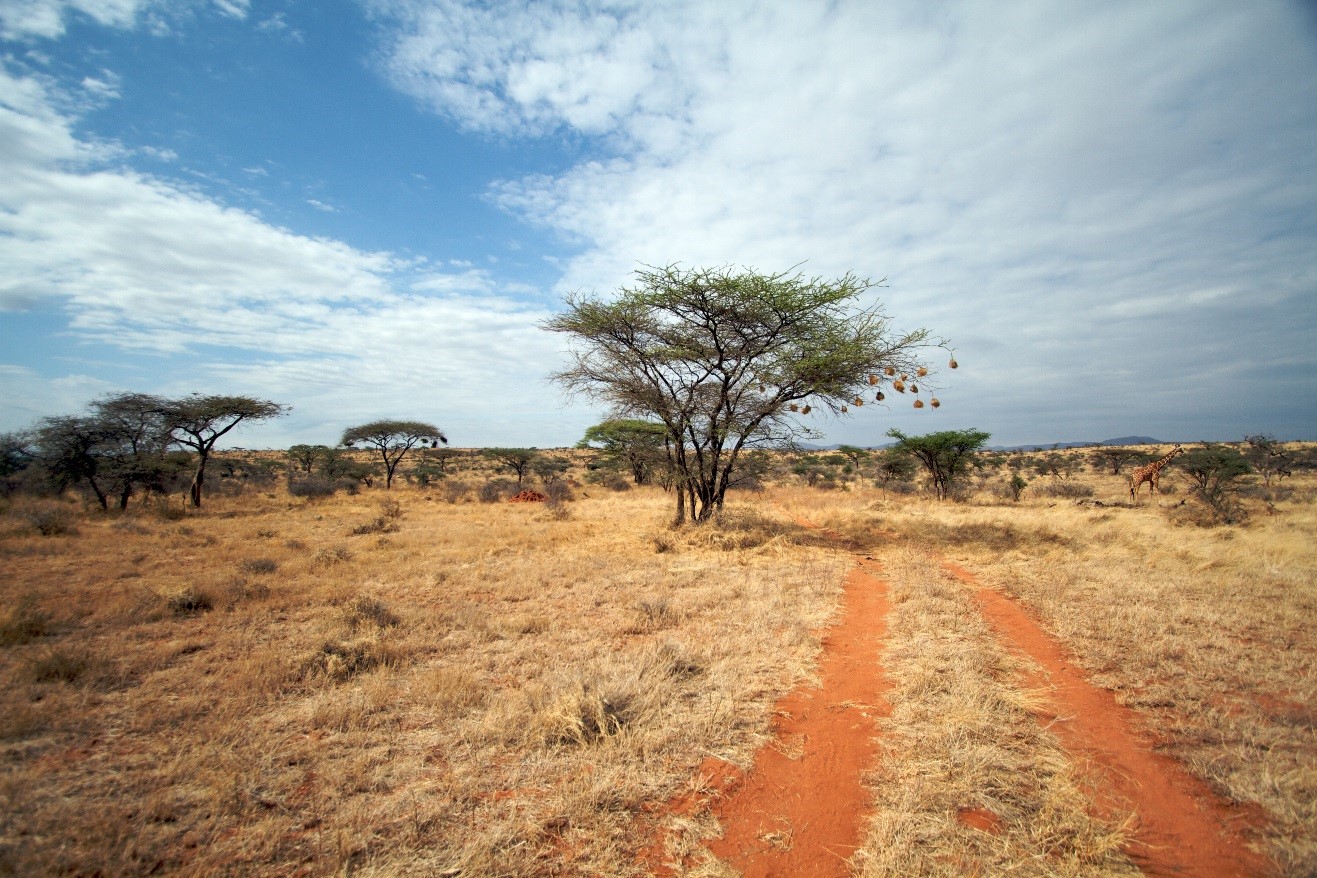
I almost always leave these at home, unless I plan on doing lots of dedicated macro work (which is seldom on an East African safari). They’re definitely discouraged from using them with big wildlife, and there really is just no other application for them otherwise.
Tripods or Camera Support Systems
I often get this question, and I can understand why. With the prospect of using big lenses, not knowing how safari vehicles are configured and the general need/desire for lens stability, it’s a valid question.
Personally, I advocate for going “hand-held” for your photos as much as possible. It gives you the most flexibility ,and you WILL get more shots. Animals can move from one side of the vehicle to the other, or from the front to the back of the vehicle.
In addition, it’s fairly easy to position your lens and brace it on handrails or the seats in front if you really get tired and must rest it for a bit. As a rule of thumb, I personally find that the more equipment you have, the more things will get in your way, causing you to miss the perfect photo.
Other Accessories
It’s vital to protect your gear when on safari, particularly from bumps and from dust. A simple camera bag will do the trick, but be sure it’s easy to use and fits all your gear without crunching things. Between sightings, I keep a simple drybag nearby at all times to quickly wrap around my camera if the conditions become dusty.
It likely goes without saying, but having plenty of camera memory is key. Anticipate shooting 500–1,000 photos a day, and potentially a lot more if you tend to photograph in burst mode.
When it comes to filters, I generally don’t bother with them. Yes, a graduated neutral density filter will give you better sunset shots when you want to incorporate a darker foreground with a brighter sky. However, it’s getting so darn easy to do this in Photoshop that it hardly merits the cost, time, and effort of screwing these filters on your camera for the last few shots of the day. If you have a new, shiny ND grad filter, bring it along; however, it’s not worth going out to buy one just for this.
If you are headed to East Africa at some point for a wildlife photography safari, be it Kenya, Tanzania or both, I wish you the very best—you’re going to have the absolute time of your life!
Go forward and give it a shot,
Leave a reply